Broccoli VS Turkey
A detailed nutritional comparison
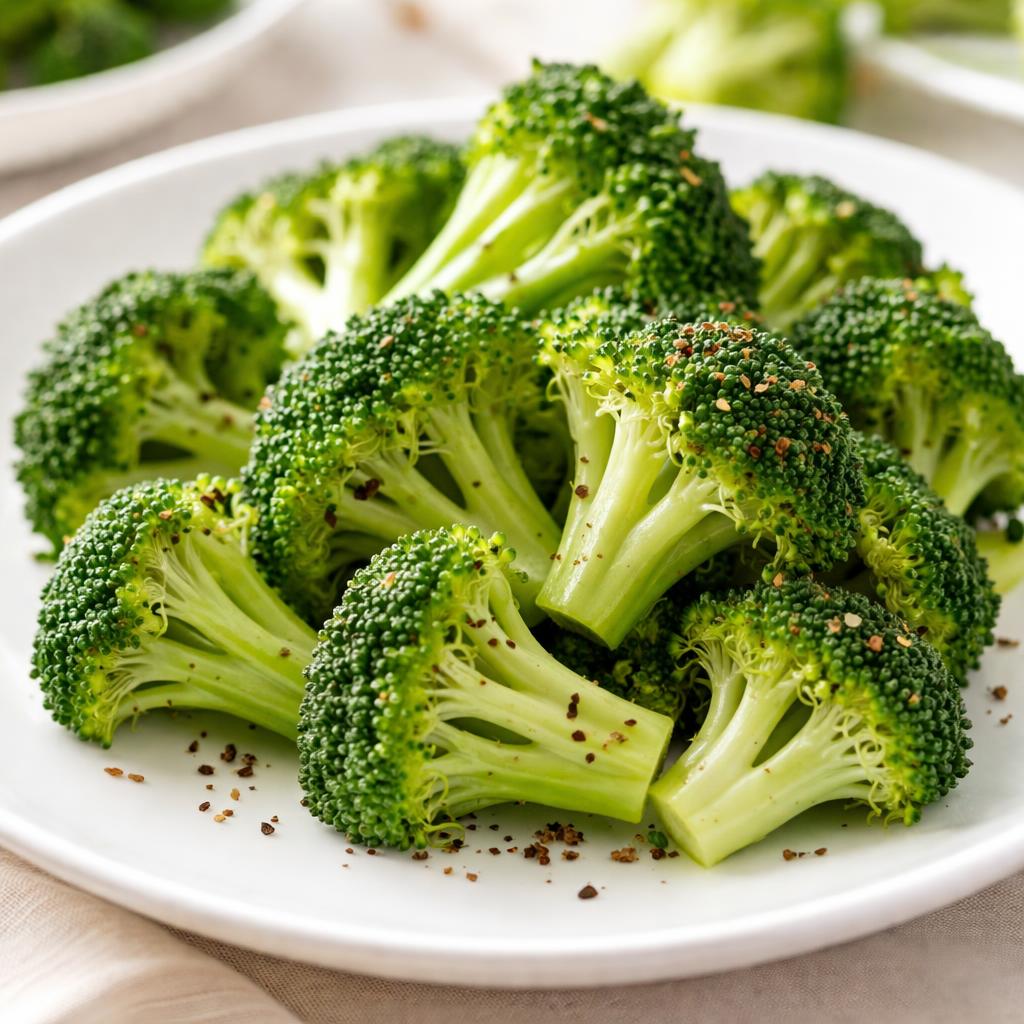
Broccoli
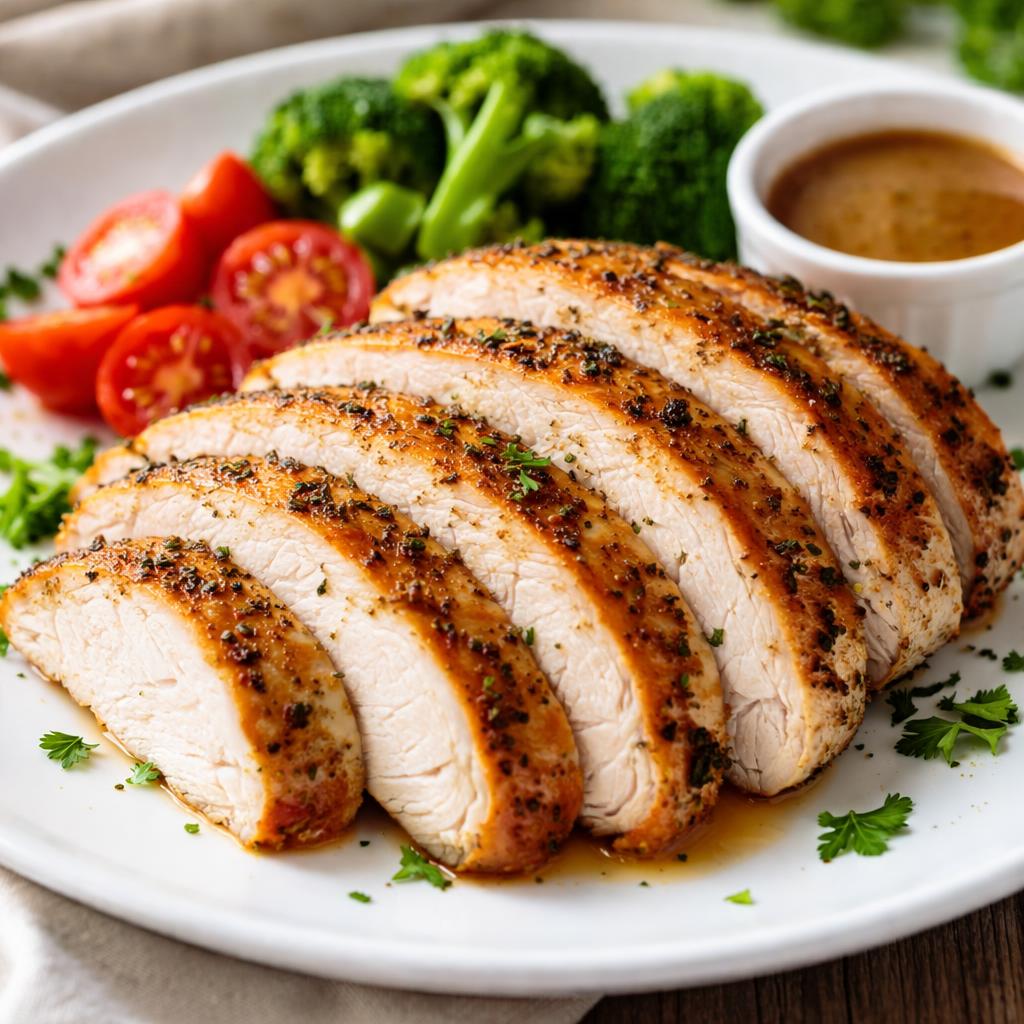
Turkey
🎯 Quick Verdict
Broccoli is a nutrient-rich vegetable with high fiber content, low calories, and an impressive range of vitamins and minerals. Turkey, on the other hand, is a lean protein powerhouse with minimal carbs and fats, making it ideal for muscle building and satiation. Depending on your dietary goals, one may be more beneficial than the other.

Smart Nutrition Tracking with SnapCalorie

📊 Nutritional Comparison
Macronutrients
| Nutrient | Food 1 | Food 2 | Winner |
|---|---|---|---|
| Calories | 55 per cup cooked (91g) | 135 per 3 ounces cooked (85g) | ✓ |
| Protein | 4.7g | 25g | ✓ |
| Carbohydrates | 11.2g | 0g | ✓ |
| Fat | 0.6g | 3g | ✓ |
| Fiber | 4.7g | 0g | ✓ |
Vitamins & Minerals
| Nutrient | Food 1 | Food 2 | Winner |
|---|---|---|---|
| Vitamin C | 81mg (90% DV) | 0mg | ✓ |
| Vitamin K | 92mcg (77% DV) | 0mcg | ✓ |
| Iron | 0.7mg | 1mg | ✓ |
| Vitamin B6 | 0.22mg (17% DV) | 0.36mg (28% DV) | ✓ |
🏆 Category Winners
Protein
Turkey has 5x more protein per serving.
Fiber
Broccoli contains 4.7g fiber, while turkey contains none.
Calories
Broccoli has significantly fewer calories per serving.
Vitamins
Broccoli is higher in essential vitamins like Vitamin C and Vitamin K.
🥗 Diet Compatibility
Keto
Food 1: Compatible
Food 2: Compatible
Both foods are low in carbs.
Vegan
Food 1: Compatible
Food 2: Not Compatible
Broccoli is a plant-based option.
Gluten Free
Food 1: Compatible
Food 2: Compatible
Neither contains gluten.
Paleo
Food 1: Compatible
Food 2: Compatible
Both foods align with paleo diets.
Low Carb
Food 1: Compatible
Food 2: Compatible
Both are suitable for low-carb diets, though broccoli contains a small amount of carbs from fiber.
💪 Health Benefits Comparison
Food 1 Benefits
- Rich in Vitamin C, supporting a healthy immune system
- High in fiber for improved digestion and gut health
- Contains powerful antioxidants to reduce inflammation
- Low calorie content ideal for weight management
Food 2 Benefits
- Excellent source of lean protein for muscle growth and repair
- Contains Vitamin B6 for brain health and energy production
- Low in fats while providing essential nutrients
- Supports satiety and reduces hunger due to its high protein content
✅ The Bottom Line
Choose broccoli for fiber, vitamins, and if managing calorie intake or following a vegan lifestyle is your priority. Opt for turkey if you need a high-protein food to support muscle building or post-workout recovery. Both can be part of a healthy balanced diet.
Choose Food 1 for: Weight management, vegan diets, digestive health, immune support
Choose Food 2 for: Muscle building, low-carb diets, post-workout recovery, high-protein meal plans


