Broccoli VS Sesame Seeds
A detailed nutritional comparison
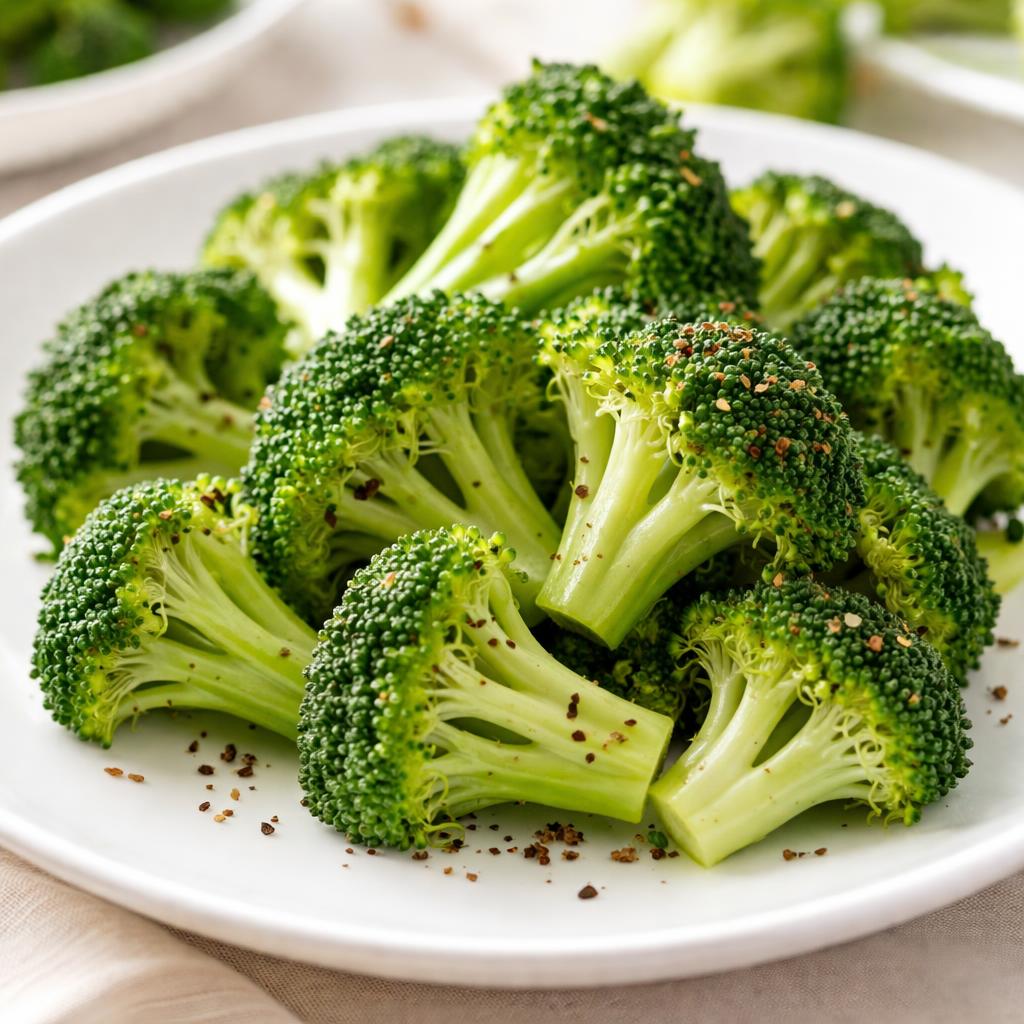
Broccoli
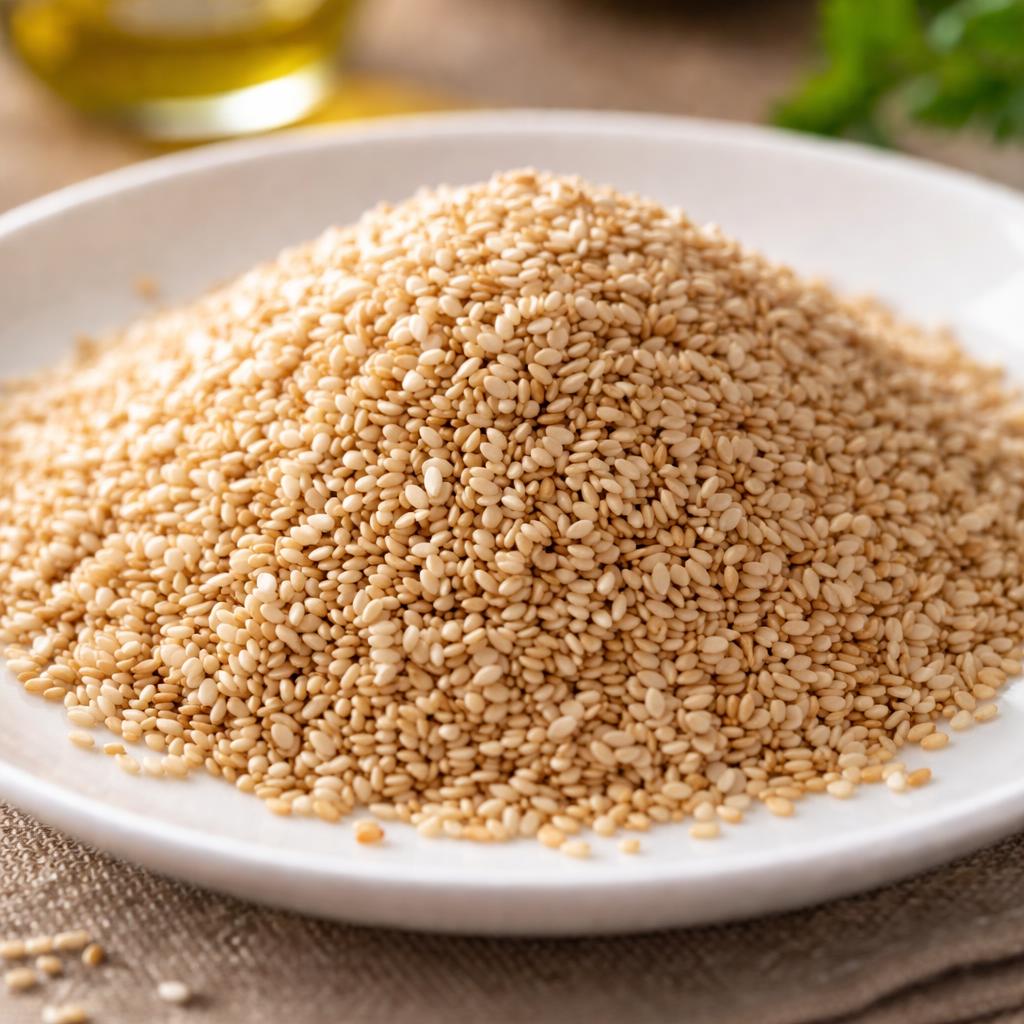
Sesame Seeds
🎯 Quick Verdict
Broccoli and sesame seeds serve very different nutritional purposes. Broccoli is lower in calories and carbs while being high in fiber and vitamin C, making it ideal for weight loss and digestion. Sesame seeds offer significantly more protein and healthy fats, along with key minerals like calcium and iron, making them great for heart health and bone strength. Choose broccoli for a low-calorie vegetable option and sesame seeds for nutrient-dense snacks or toppings.

Smart Nutrition Tracking with SnapCalorie

📊 Nutritional Comparison
Macronutrients
| Nutrient | Food 1 | Food 2 | Winner |
|---|---|---|---|
| Calories | 55 per cup (91g) | 160 per ounce (28g) | ✓ |
| Protein | 2.4g per cup | 4.8g per ounce | ✓ |
| Carbs | 11.2g per cup | 7.3g per ounce | ✓ |
| Fat | 0.6g per cup | 13.6g per ounce | ✓ |
| Fiber | 2.4g per cup | 1.1g per ounce | ✓ |
Vitamins & Minerals
| Nutrient | Food 1 | Food 2 | Winner |
|---|---|---|---|
| Vitamin C | 81mg per cup | 0.2mg per ounce | ✓ |
| Vitamin A | 567IU per cup | 0IU per ounce | ✓ |
| Calcium | 43mg per cup | 88mg per ounce | ✓ |
| Iron | 0.7mg per cup | 1.3mg per ounce | ✓ |
🏆 Category Winners
Protein
Sesame seeds have twice the protein per serving compared to broccoli.
Fiber
Broccoli contains more than twice as much fiber as sesame seeds.
Calories
Broccoli is significantly lower in calories per serving.
Vitamins
Broccoli has higher levels of essential vitamins such as vitamin C and vitamin A.
🥗 Diet Compatibility
Keto
Food 1: Compatible
Food 2: Compatible
Both foods are low-carb and suitable for ketogenic diets.
Vegan
Food 1: Compatible
Food 2: Compatible
Both foods are plant-based and vegan-friendly.
Gluten Free
Food 1: Compatible
Food 2: Compatible
Neither broccoli nor sesame seeds contain gluten.
Paleo
Food 1: Compatible
Food 2: Compatible
Both are whole, unprocessed foods allowed on a paleo diet.
Low-Carb
Food 1: Compatible
Food 2: Compatible
Both are relatively low in carbohydrates and suitable for low-carb diets.
💪 Health Benefits Comparison
Food 1 Benefits
- High in vitamin C for immune function
- Rich in fiber for digestive health
- Low calorie for weight management
- Contains antioxidants that support overall health
Food 2 Benefits
- Good source of protein for muscle repair
- Rich in healthy fats for heart health
- High in calcium for strong bones
- Provides iron for improved energy and oxygen transport
✅ The Bottom Line
Broccoli and sesame seeds both offer valuable nutrients but are best suited for different dietary needs. Broccoli is an excellent low-calorie, high-fiber choice for weight loss and immunity, while sesame seeds are nutrient-dense, providing protein, healthy fats, and minerals. Incorporate both foods into your diet for a balanced approach.
Choose Food 1 for: Weight loss, digestion, immunity
Choose Food 2 for: Heart health, bone strength, muscle repair


