Broccoli VS Lemon
A detailed nutritional comparison
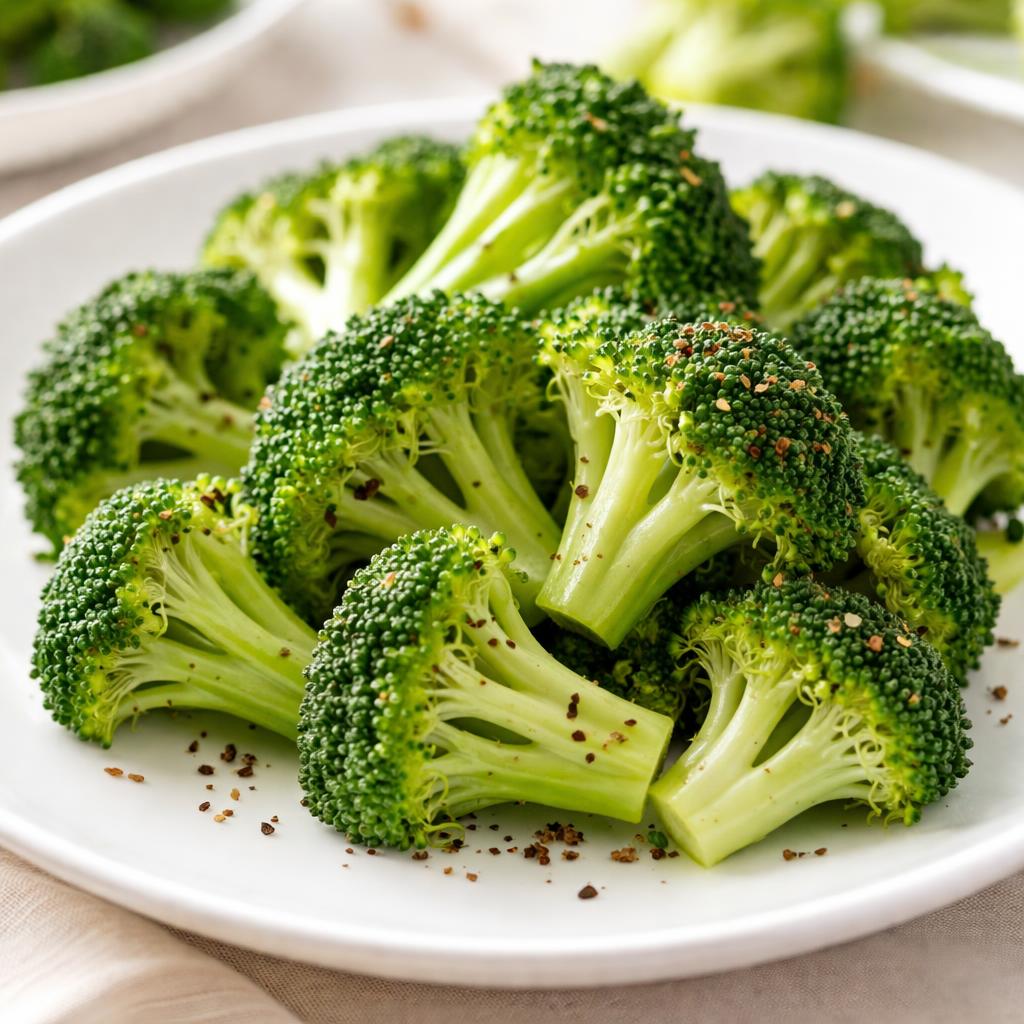
Broccoli
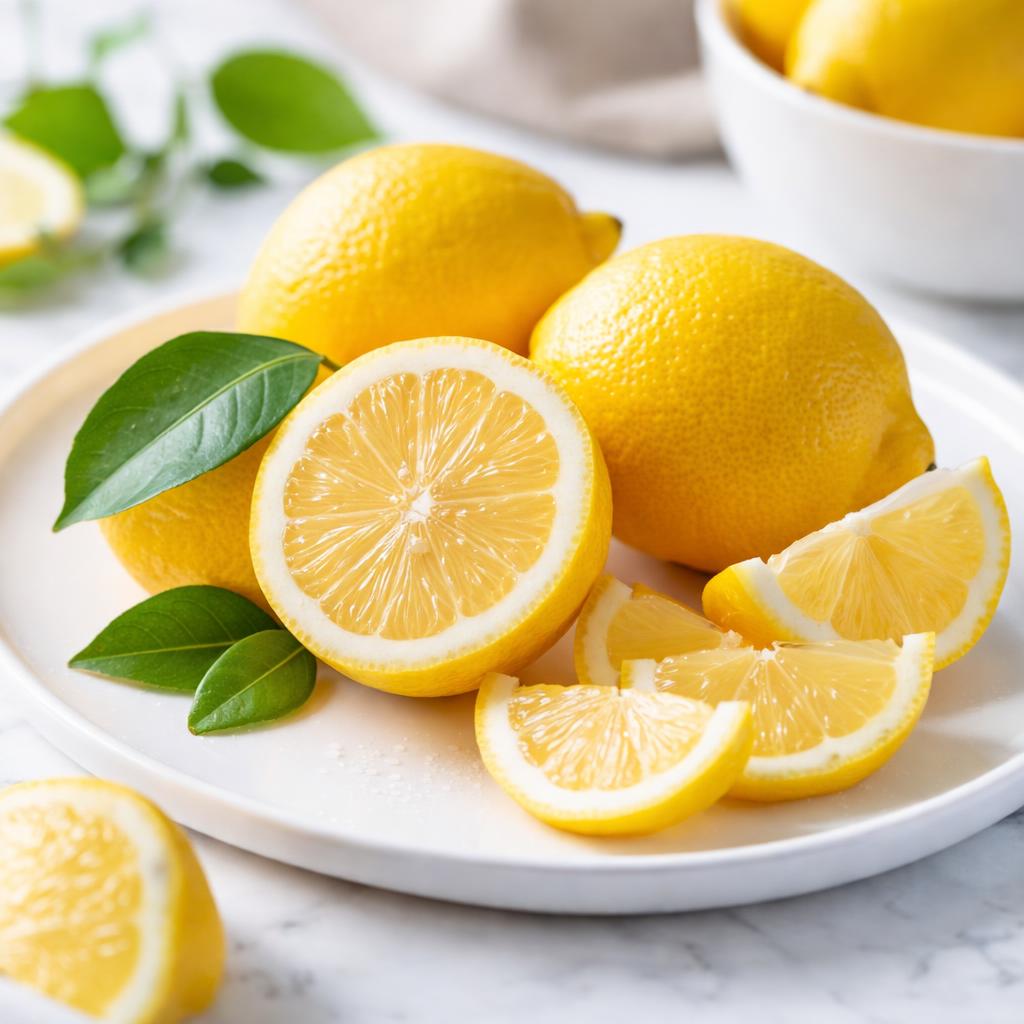
Lemon
🎯 Quick Verdict
Broccoli is a nutrient-dense vegetable offering higher protein, fiber, and vitamins compared to lemon, which is primarily high in vitamin C and antioxidants. Broccoli is versatile in meals, while lemon is best suited for flavor enhancement or as a vitamin C boost to drinks and recipes.

Smart Nutrition Tracking with SnapCalorie

📊 Nutritional Comparison
Macronutrients
| Nutrient | Food 1 | Food 2 | Winner |
|---|---|---|---|
| Calories | 55 | 30 | − |
| Protein | 4g | 1g | − |
| Carbs | 11g | 10g | − |
| Fat | 0.6g | 0.3g | − |
| Fiber | 2.6g | 2.4g | − |
Vitamins & Minerals
| Nutrient | Food 1 | Food 2 | Winner |
|---|---|---|---|
| Vitamin C | 89mg | 53mg | − |
| Vitamin A | 567IU | 22IU | − |
| Calcium | 47mg | 26mg | − |
| Iron | 0.7mg | 0.1mg | − |
🏆 Category Winners
Protein
Broccoli has 4g of protein compared to lemon's 1g, making it the clear winner for protein content.
Fiber
Broccoli offers slightly more fiber at 2.6g vs. lemon's 2.4g, contributing better to digestion.
Calories
Both broccoli and lemon are low in calories at 55 and 30 calories respectively, suitable for calorie-conscious diets.
Vitamins
Broccoli outperforms lemon in vitamin C (89mg vs. 53mg) and provides higher levels of vitamin A, calcium, and iron.
🥗 Diet Compatibility
Keto
Food 1: Compatible
Food 2: Compatible
Both are low-carb, fitting keto guidelines perfectly.
Vegan
Food 1: Compatible
Food 2: Compatible
Both broccoli and lemon are plant-based and vegan-friendly.
Gluten Free
Food 1: Compatible
Food 2: Compatible
Neither food contains gluten.
Paleo
Food 1: Compatible
Food 2: Compatible
Both foods align with paleo diets as whole, unprocessed ingredients.
Low-Carb
Food 1: Compatible
Food 2: Compatible
Both are low in net carbs, suitable for low-carb diets.
💪 Health Benefits Comparison
Food 1 Benefits
- High in vitamin C for immune system support
- Contains protein to aid in muscle maintenance
- Provides antioxidants to combat free radicals
- Good source of vitamin A for eye health
Food 2 Benefits
- Rich in vitamin C, promoting skin health and immunity
- Contains natural citric acid to aid digestion
- Provides antioxidants to neutralize free radicals
- Adds flavor to meals and drinks without adding calories
✅ The Bottom Line
Broccoli excels in overall nutrition with higher protein, fiber, and vitamins, making it a great choice for balanced meals or snack preparation. Lemon, while lower in calories, shines as a vitamin C powerhouse and flavor enhancer, perfect for beverages, salad dressings, or marinades.
Choose Food 1 for: Meal preparation, side dishes, nutrient-dense snacks
Choose Food 2 for: Refreshing drinks, flavor enhancement, vitamin C boosts


