Broccoli VS Coleslaw
A detailed nutritional comparison
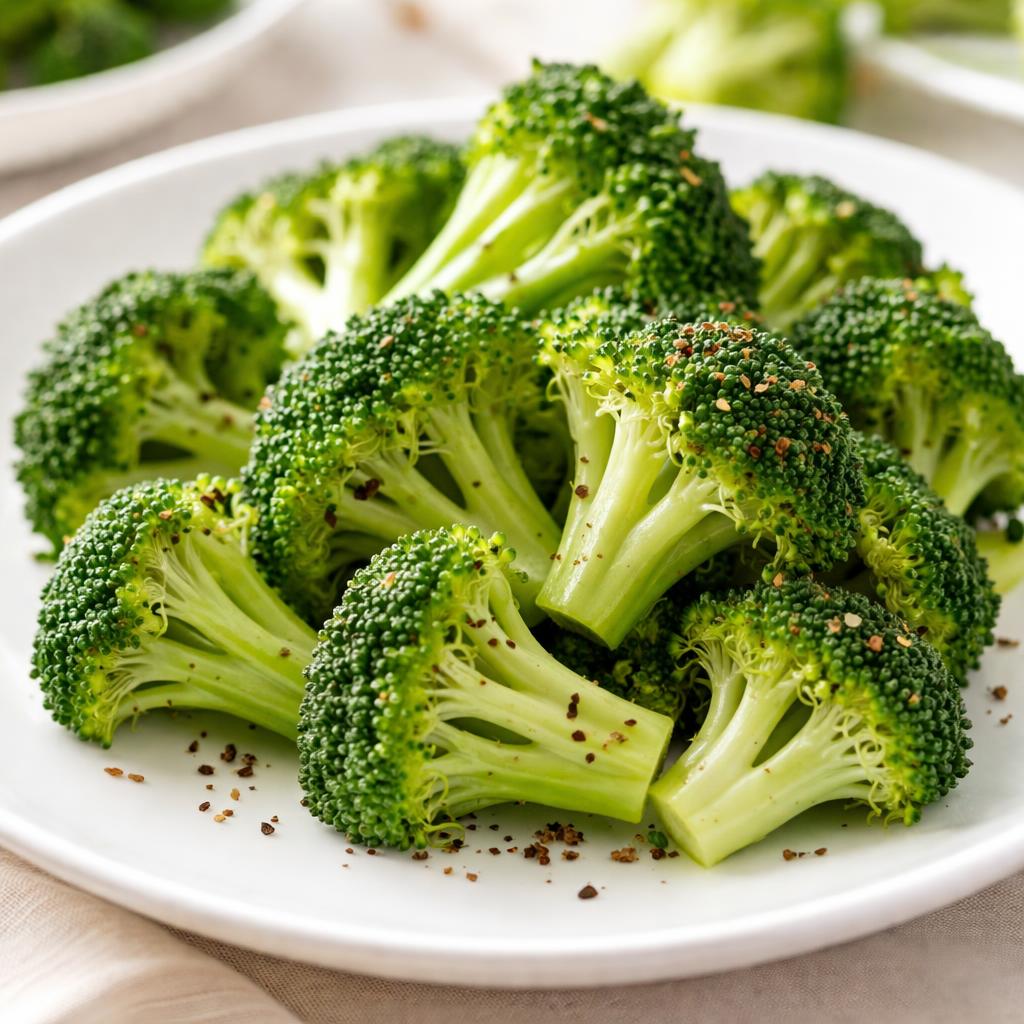
Broccoli
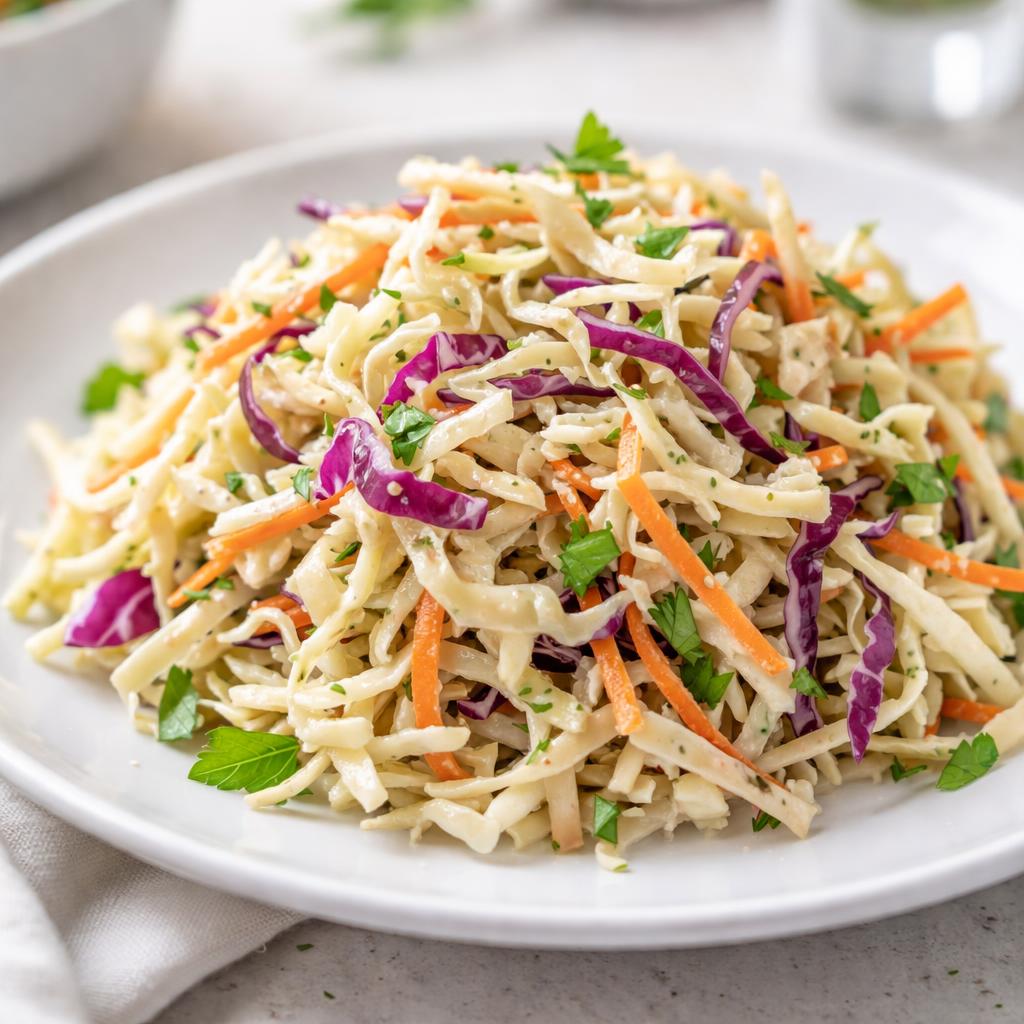
Coleslaw
🎯 Quick Verdict
Broccoli stands out as the healthier choice overall, offering lower calories, higher fiber, and more protein compared to coleslaw. Coleslaw, however, provides more fat content which may be beneficial for sustained energy, particularly in active lifestyles. Broccoli is ideal for weight loss or nutrient-rich meals, while coleslaw is better for those seeking flavor or a source of healthy fats (depending on ingredients).

Smart Nutrition Tracking with SnapCalorie

📊 Nutritional Comparison
Macronutrients
| Nutrient | Food 1 | Food 2 | Winner |
|---|---|---|---|
| Calories | 55 | 151 (average for prepared coleslaw) | ✓ |
| Protein | 4.3g | 1g | ✓ |
| Carbs | 11.2g | 15g | ✓ |
| Fat | 0.5g | 10g (from dressing) | ✓ |
| Fiber | 3.7g | 2.5g | ✓ |
Vitamins & Minerals
| Nutrient | Food 1 | Food 2 | Winner |
|---|---|---|---|
| Vitamin C | 89mg | 37mg | ✓ |
| Vitamin K | 101mcg | 57mcg | ✓ |
| Potassium | 316mg | 170mg | ✓ |
🏆 Category Winners
Protein
Broccoli offers over four times more protein than coleslaw per serving.
Fiber
Broccoli contains 1.2g more dietary fiber than coleslaw.
Calories
Broccoli has significantly fewer calories than coleslaw, especially when coleslaw includes dressing.
Vitamins
Broccoli contains remarkably higher levels of Vitamin C, Vitamin K, and Potassium for overall health benefits.
🥗 Diet Compatibility
Keto
Food 1: Compatible
Food 2: Possible but watch added sugar in dressing
Broccoli is naturally low-carb, while coleslaw can be keto if dressing ingredients are suitable.
Vegan
Food 1: Compatible
Food 2: Possible if dressing is vegan
Broccoli is plant-based, while coleslaw depends on ingredient choices for dressing.
Gluten Free
Food 1: Compatible
Food 2: Possible if dressing is gluten-free
Broccoli is gluten-free, and coleslaw can be made gluten-free if care is taken with dressing.
Paleo
Food 1: Compatible
Food 2: Possible if using paleo-friendly dressing
Broccoli fits paleo diets, whereas the coleslaw dressing often requires adjustments to be paleo-friendly.
Low-Carb
Food 1: Compatible
Food 2: Compatible but watch dressing carbs
Broccoli is naturally low-carb; coleslaw may increase carbs with a sugar-based dressing.
💪 Health Benefits Comparison
Food 1 Benefits
- High in Vitamin C to support immune function
- Rich in dietary fiber promoting digestion and satiety
- Contains antioxidants to fight inflammation and oxidative stress
- Good source of calcium, potassium, and Vitamin K for bone health
Food 2 Benefits
- Provides healthy fats (assuming dressing is oil-based)
- Rich in Vitamin C with antioxidant properties
- Can enhance flavor and diversify meals with a fresh twist
- Offers moderate amounts of fiber, supporting digestion
✅ The Bottom Line
Broccoli is the more nutrient-dense option overall, ideal for weight loss, muscle-building diets, and boosting nutrients without excess calories or fats. Coleslaw, while less nutrient-dense, is valuable for flavor-enhancement and energy-providing fats, especially when using healthier dressings.
Choose Food 1 for: Weight loss, nutrient-rich meals, immune support
Choose Food 2 for: Flavor variety, sustained energy, social occasions (as a side dish)


