Broccoli VS Brussel Sprouts
A detailed nutritional comparison
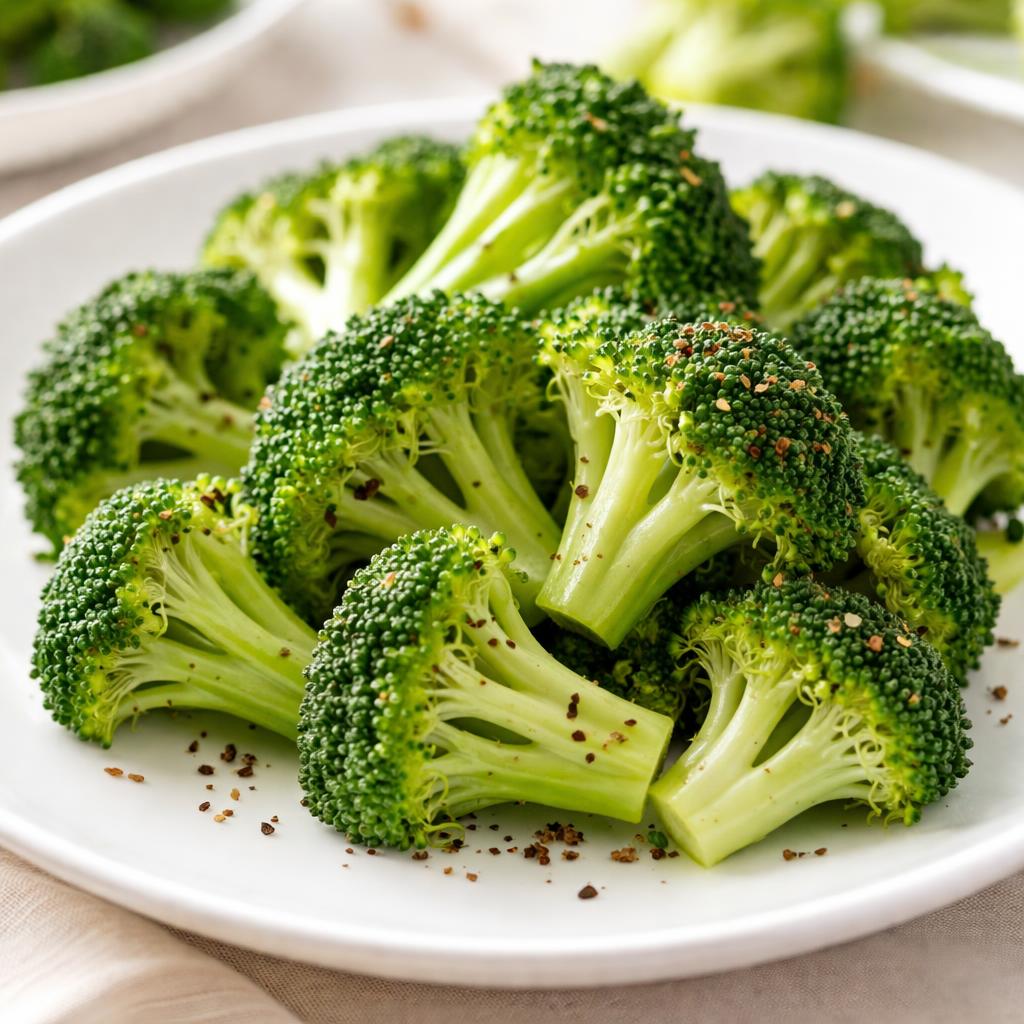
Broccoli
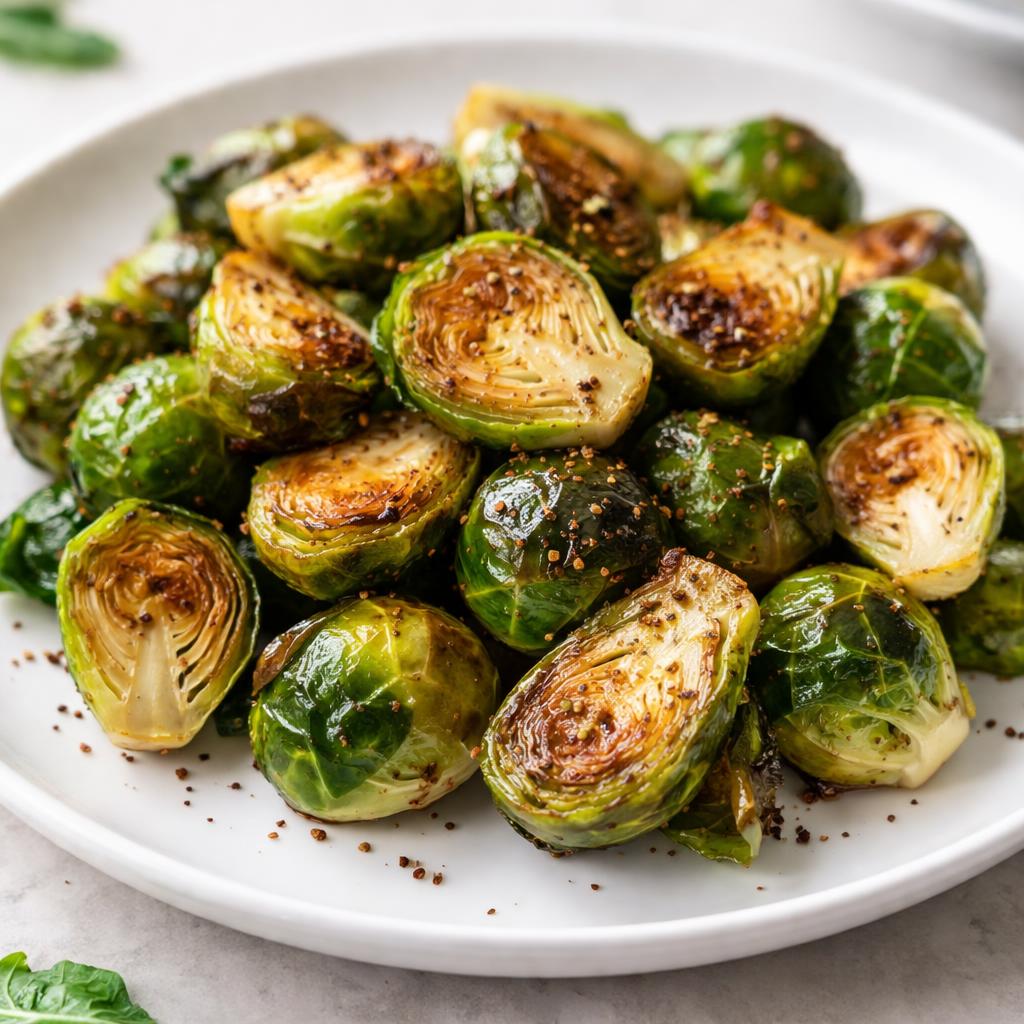
Brussel Sprouts
🎯 Quick Verdict
Both broccoli and brussel sprouts are nutrient-dense vegetables, but they differ slightly in their nutritional profiles. Broccoli is lower in calories and carbs, while brussel sprouts are richer in protein and fiber. Both are excellent options for vegan, keto, and health-conscious diets, depending on your needs and preferences.

Smart Nutrition Tracking with SnapCalorie

📊 Nutritional Comparison
Macronutrients
| Nutrient | Food 1 | Food 2 | Winner |
|---|---|---|---|
| Calories | 55 per cup (91g) | 38 per cup (88g) | ✓ |
| Protein | 2.4g per cup | 3g per cup | ✓ |
| Carbs | 11.2g per cup | 8g per cup | ✓ |
| Fat | 0.6g per cup | 0.3g per cup | ✓ |
| Fiber | 2.3g per cup | 3.3g per cup | ✓ |
Vitamins & Minerals
| Nutrient | Food 1 | Food 2 | Winner |
|---|---|---|---|
| Vitamin C | 81mg per cup | 75mg per cup | ✓ |
| Vitamin K | 92mcg per cup | 155mcg per cup | ✓ |
| Folate (Vitamin B9) | 57mcg per cup | 53mcg per cup | ✓ |
| Calcium | 43mg per cup | 37mg per cup | ✓ |
| Iron | 0.7mg per cup | 1.2mg per cup | ✓ |
🏆 Category Winners
Protein
Brussel sprouts have 25% more protein per serving.
Fiber
Brussel sprouts provide 43% more fiber.
Calories
Brussel sprouts are slightly lower in calories per serving.
Vitamins
Broccoli excels in Vitamin C and folate, while brussel sprouts dominate in Vitamin K and iron.
🥗 Diet Compatibility
Keto
Food 1: Compatible
Food 2: Compatible
Both are low-carb and nutrient-dense, fitting well into keto diets.
Vegan
Food 1: Compatible
Food 2: Compatible
Both vegetables are plant-based and vegan-friendly.
Gluten Free
Food 1: Compatible
Food 2: Compatible
Neither contains gluten.
Paleo
Food 1: Compatible
Food 2: Compatible
Both fit in a paleo lifestyle as non-processed, whole vegetables.
Low Carb
Food 1: Compatible
Food 2: Compatible
Both are low in carbs and suitable for low-carb diets.
💪 Health Benefits Comparison
Food 1 Benefits
- Rich in Vitamin C for immune support and skin health
- Good source of folate for cell growth
- Contains antioxidants like sulforaphane that may aid in cancer prevention
- Low in calories, making it ideal for weight management
Food 2 Benefits
- High in fiber to promote digestive health
- Excellent source of Vitamin K for bone health
- Contains iron for improved oxygen transport in the blood
- High in antioxidants like kaempferol that may reduce inflammation
✅ The Bottom Line
Broccoli and brussel sprouts are nutrient-packed vegetables with slightly different benefits. Choose broccoli for its higher Vitamin C and folate content, and brussel sprouts for more protein and fiber per serving. Both are excellent additions to balanced diets.
Choose Food 1 for: Immune system support, low-calorie diets, antioxidant boost
Choose Food 2 for: Bone health, digestive health, nutrient density


