Bread VS Wholegrain Bread
A detailed nutritional comparison

Bread
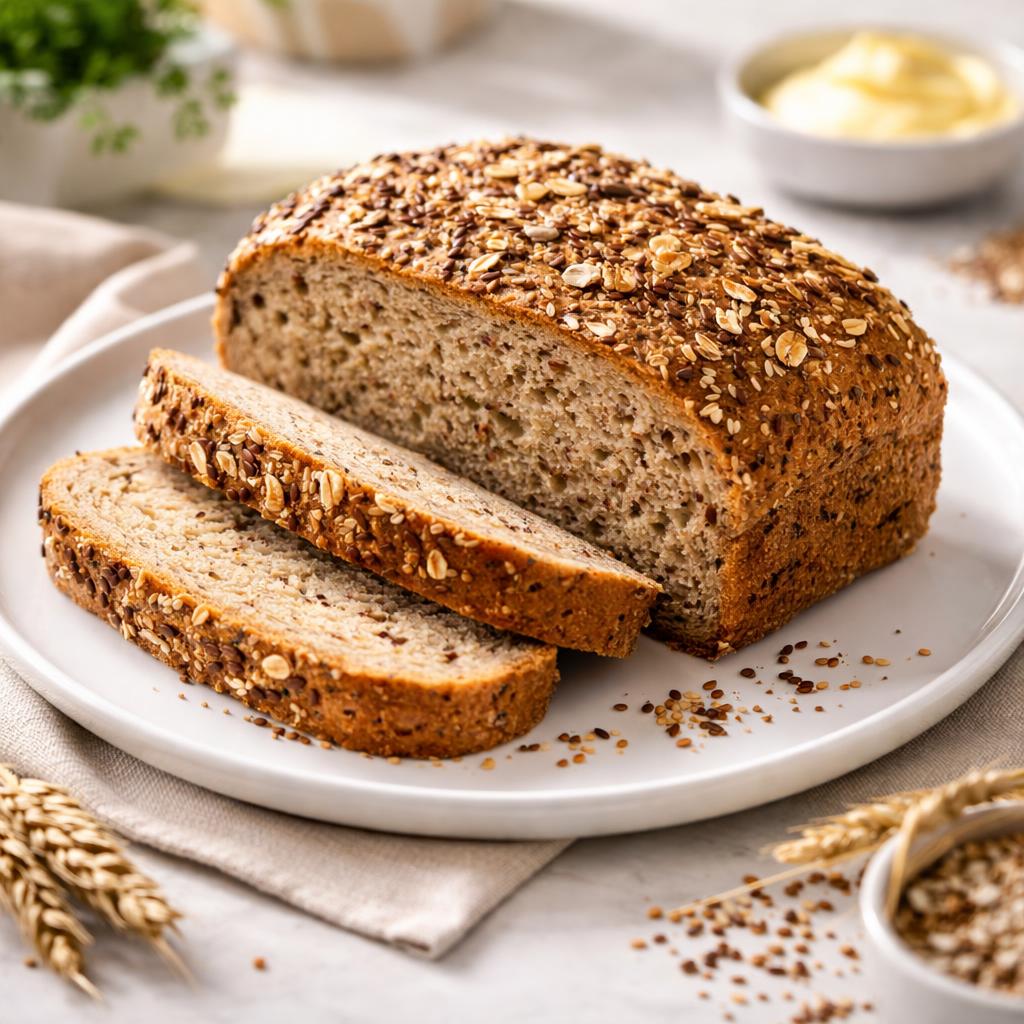
Wholegrain Bread
🎯 Quick Verdict
Wholegrain bread surpasses white bread nutritionally, offering higher levels of protein, fiber, and vitamins. Regular bread is lighter in texture but less nutritious, making it suitable for quick energy needs, while wholegrain bread better supports long-term health and digestion.

Smart Nutrition Tracking with SnapCalorie

📊 Nutritional Comparison
Macronutrients
| Nutrient | Food 1 | Food 2 | Winner |
|---|---|---|---|
| Calories | 80 | 80 | − |
| Protein | 2g | 4g | − |
| Carbs | 15g | 16g | − |
| Fat | 1g | 1g | − |
| Fiber | 0.8g | 2g | − |
Vitamins & Minerals
| Nutrient | Food 1 | Food 2 | Winner |
|---|---|---|---|
| Vitamin B6 | 0.02mg | 0.3mg | − |
| Iron | 0.6mg | 1.2mg | − |
| Magnesium | 5mg | 25mg | − |
🏆 Category Winners
Protein
Wholegrain bread contains twice as much protein as white bread.
Fiber
Wholegrain bread is rich in fiber, offering over 2x the amount found in white bread.
Calories
Both breads offer a comparable calorie count per serving.
Vitamins
Wholegrain bread provides higher levels of key nutrients, including iron and magnesium.
🥗 Diet Compatibility
Keto
Food 1: Unknown
Food 2: Unknown
Both foods are high-carb and do not fit keto dietary guidelines.
Vegan
Food 1: Unknown
Food 2: Unknown
Both are plant-based and free from animal products.
Gluten Free
Food 1: Unknown
Food 2: Unknown
Both contain gluten from wheat flour.
Paleo
Food 1: Unknown
Food 2: Unknown
Neither bread fits paleo diets due to processed grains.
Low-Carb
Food 1: Unknown
Food 2: Unknown
Both are carbohydrate-dense foods unsuitable for strict low-carb diets.
💪 Health Benefits Comparison
Food 1 Benefits
Food 2 Benefits
✅ The Bottom Line
Wholegrain bread is the clear winner in terms of nutritional density, offering higher protein, fiber, and essential vitamins. White bread can be chosen for its simplicity and rapid energy boost, whereas wholegrain bread is better suited for long-term health and digestive support.
Choose Food 1 for: Quick energy, budget-friendly, mild flavor compatibility in meals
Choose Food 2 for: Healthy digestion, nutrient support, steady energy release


