Bread VS Tortillas
A detailed nutritional comparison
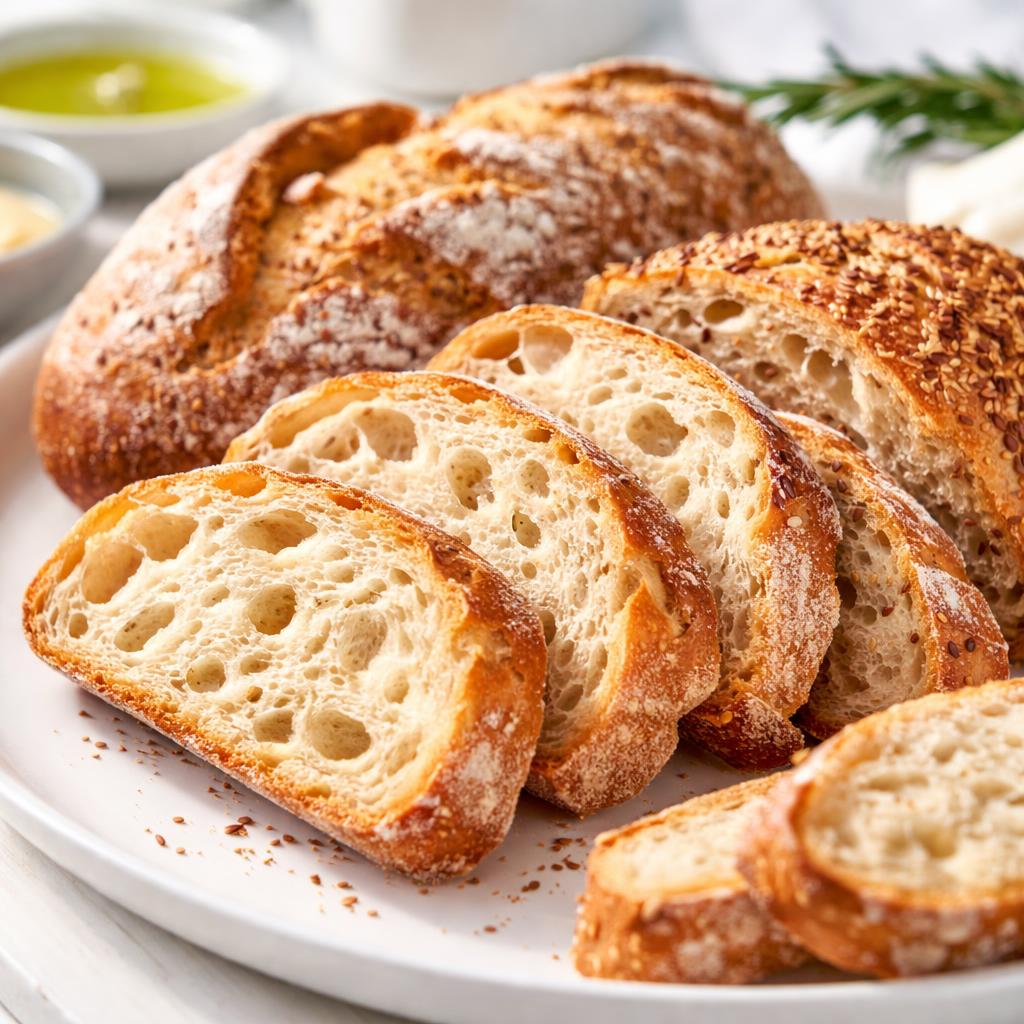
Bread
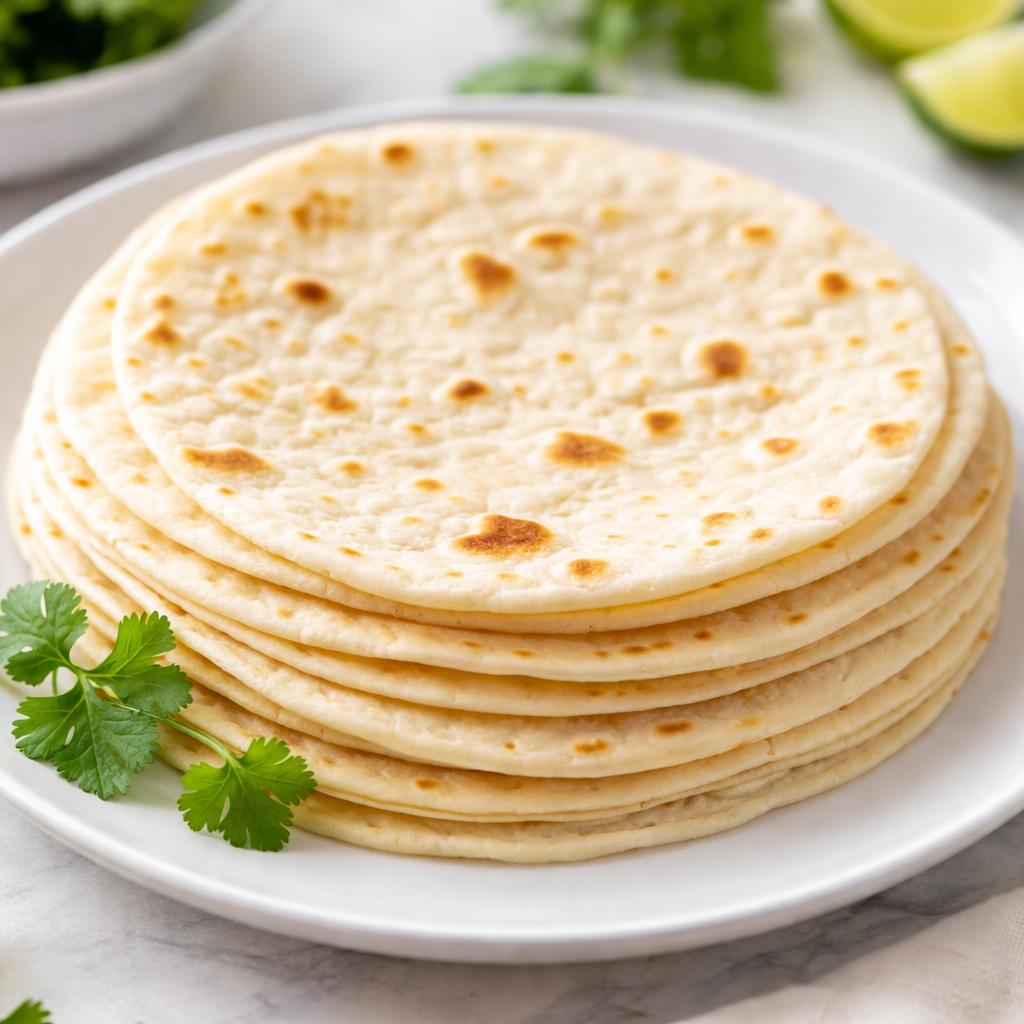
Tortillas
🎯 Quick Verdict
Bread and tortillas differ significantly in calories, fiber, and carb content. Bread typically offers more fiber per serving, while tortillas are lighter in calories. Bread is better for those seeking higher fiber intake, while tortillas are conducive to lower-calorie or low-carb diets.

Smart Nutrition Tracking with SnapCalorie

📊 Nutritional Comparison
Macronutrients
| Nutrient | Food 1 | Food 2 | Winner |
|---|---|---|---|
| Calories | 80 per slice | 50 per tortilla | ✓ |
| Protein | 2g per slice | 2g per tortilla | − |
| Carbs | 14g per slice | 12g per tortilla | ✓ |
| Fat | 1g per slice | 0.5g per tortilla | ✓ |
| Fiber | 1.5g per slice | 0.8g per tortilla | ✓ |
Vitamins & Minerals
| Nutrient | Food 1 | Food 2 | Winner |
|---|---|---|---|
| Vitamin D | 0mcg | 0mcg | − |
| Calcium | 20mg | 35mg | ✓ |
| Iron | 1mg | 0.6mg | ✓ |
🏆 Category Winners
Protein
Both bread and tortillas provide 2g of protein per serving.
Fiber
Bread offers nearly twice the fiber content compared to tortillas.
Calories
Tortillas have about 35% fewer calories per serving.
Vitamins
Tortillas are slightly higher in calcium, while bread provides more iron.
🥗 Diet Compatibility
Keto
Food 1: Not Compatible
Food 2: Not Compatible
Both are high in carbs and not suitable for keto diets.
Vegan
Food 1: Compatible
Food 2: Compatible
Both bread and tortillas are typically plant-based unless containing animal-derived additives.
Gluten Free
Food 1: Not Compatible
Food 2: Not Compatible
Standard bread and tortillas contain gluten unless made from alternative flours.
Paleo
Food 1: Not Compatible
Food 2: Not Compatible
Both foods are processed and grain-based, excluding them from paleo diets.
Low-Carb
Food 1: Not Compatible
Food 2: Lightly Compatible
Tortillas have lower carbs than bread, but not sufficient for very low-carb diets.
💪 Health Benefits Comparison
Food 1 Benefits
- Higher fiber for promoting digestion and regularity
- Provides iron for healthy red blood cell production
- Versatile for sandwiches, toast, and other meals
Food 2 Benefits
- Low calorie, making it suitable for weight management
- Slightly higher calcium content for bone health
- Convenient for wraps, tacos, and light meal prepping
✅ The Bottom Line
Choose bread for more fiber and iron, or tortillas for fewer calories and carbohydrates. Bread suits those needing digestion support, while tortillas fit into weight-conscious and light-carb diets.
Choose Food 1 for: Higher fiber diets, sandwiches, energy needs
Choose Food 2 for: Weight-conscious meals, wraps, low-calorie options


