Bread VS Seeds
A detailed nutritional comparison
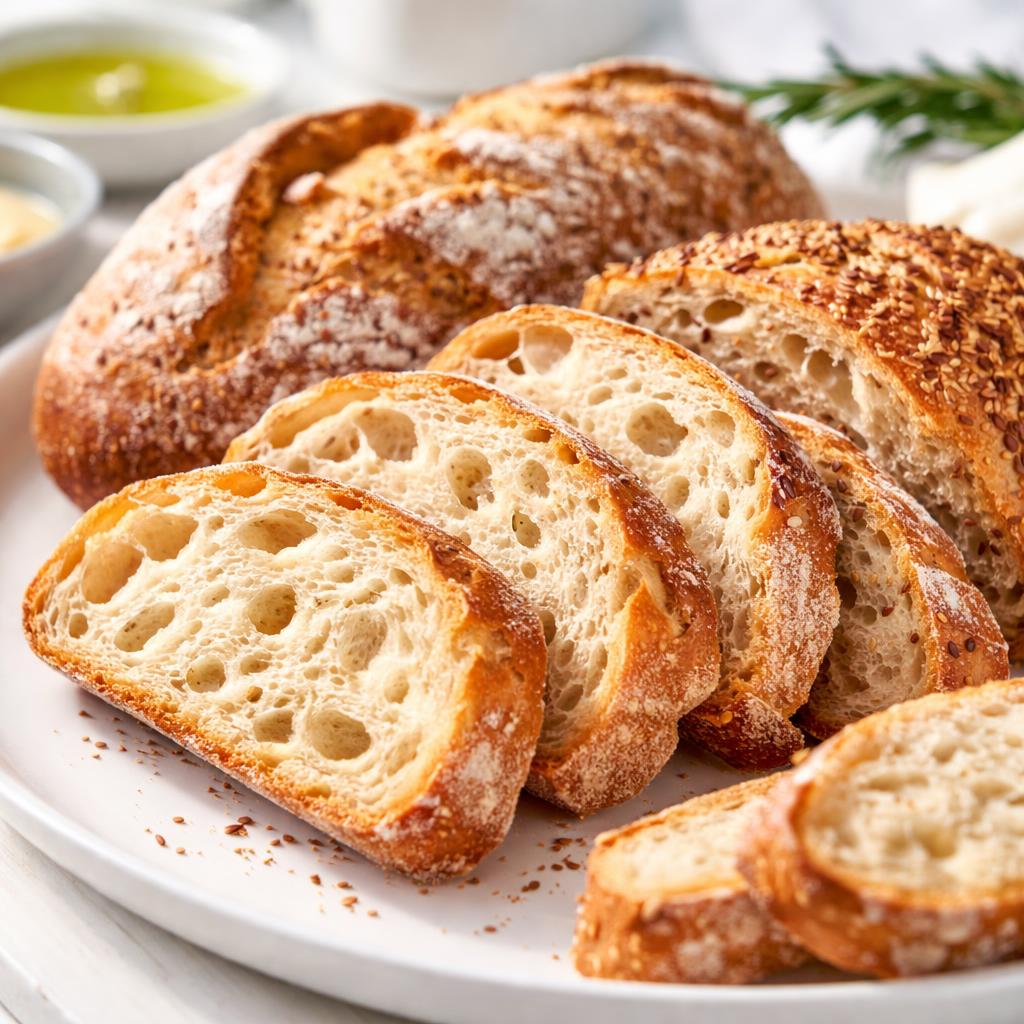
Bread
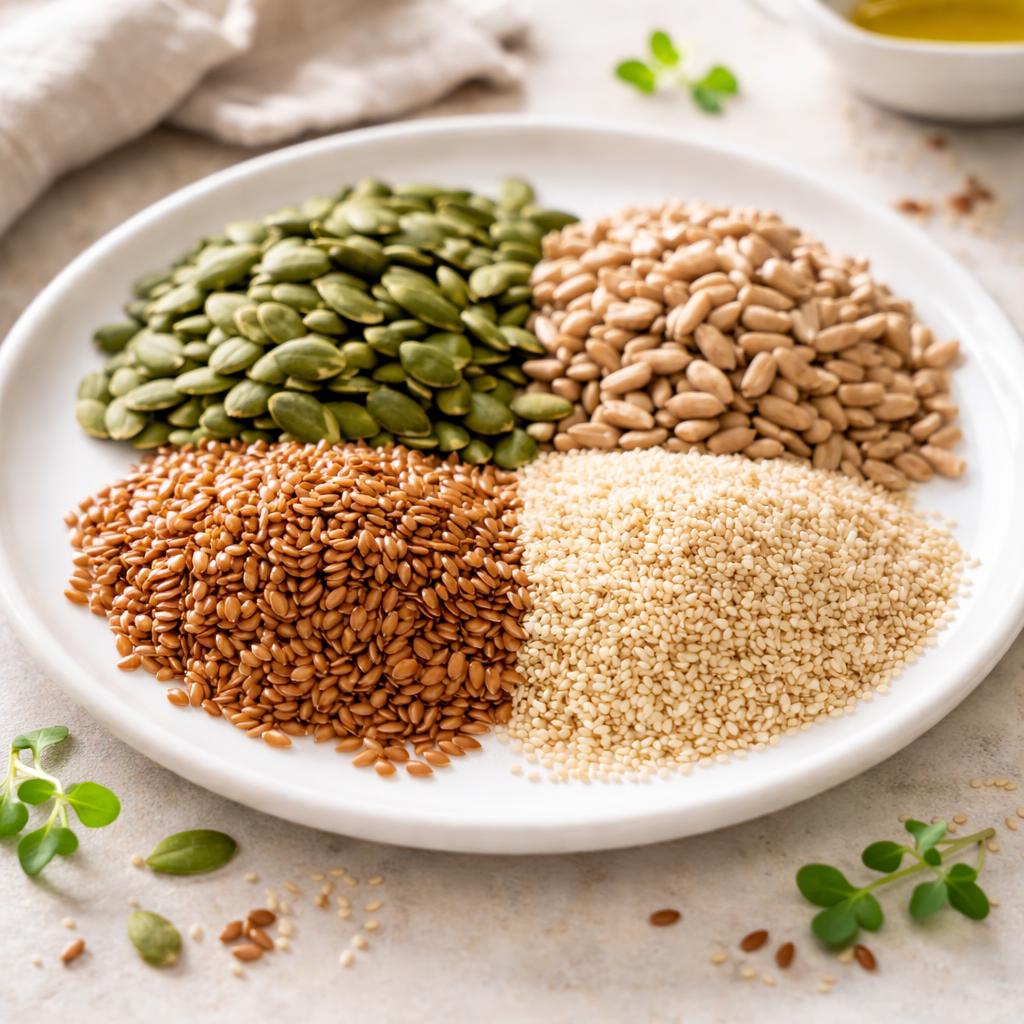
Seeds
🎯 Quick Verdict
Seeds are nutritionally dense, providing significantly more protein, fiber, and healthy fats than bread. Bread, however, is lower in calories and carbohydrates, making it better for calorie-conscious diets. Choose seeds for nutrient density and bread for easier digestibility and lower caloric impact per serving.

Smart Nutrition Tracking with SnapCalorie

📊 Nutritional Comparison
Macronutrients
| Nutrient | Food 1 | Food 2 | Winner |
|---|---|---|---|
| Calories | − | ||
| Protein | − | ||
| Carbs | − | ||
| Fat | − | ||
| Fiber | − |
Vitamins & Minerals
| Nutrient | Food 1 | Food 2 | Winner |
|---|---|---|---|
| Vitamin E | − | ||
| Magnesium | − | ||
| Iron | − |
🏆 Category Winners
Protein
Seeds have over 3x more protein per serving.
Fiber
Seeds provide 4x more fiber per serving.
Calories
Bread has half the calories per serving compared to seeds.
Vitamins
Seeds are richer in vitamins and minerals like magnesium and vitamin E.
🥗 Diet Compatibility
Keto
Food 1: Unknown
Food 2: Unknown
Bread is high in carbs, while seeds are low-carb.
Vegan
Food 1: Unknown
Food 2: Unknown
Both are plant-based.
Gluten Free
Food 1: Unknown
Food 2: Unknown
Bread typically contains gluten unless specified otherwise.
Paleo
Food 1: Unknown
Food 2: Unknown
Bread is not paleo-friendly due to grains, seeds are allowed.
Low Carb
Food 1: Unknown
Food 2: Unknown
Seeds are low in carbs; bread is relatively high in carbohydrates.
💪 Health Benefits Comparison
Food 1 Benefits
Food 2 Benefits
✅ The Bottom Line
Bread offers a low-calorie, energy-rich option that is ideal for quick meals and light digestive needs, but lacks significant nutrient density. Seeds excel as a powerhouse of protein, fiber, and healthy fats, suitable for nutrient-dense diets and weight management. Choose based on your dietary goals and lifestyle.


