Bread VS Roti
A detailed nutritional comparison

Bread
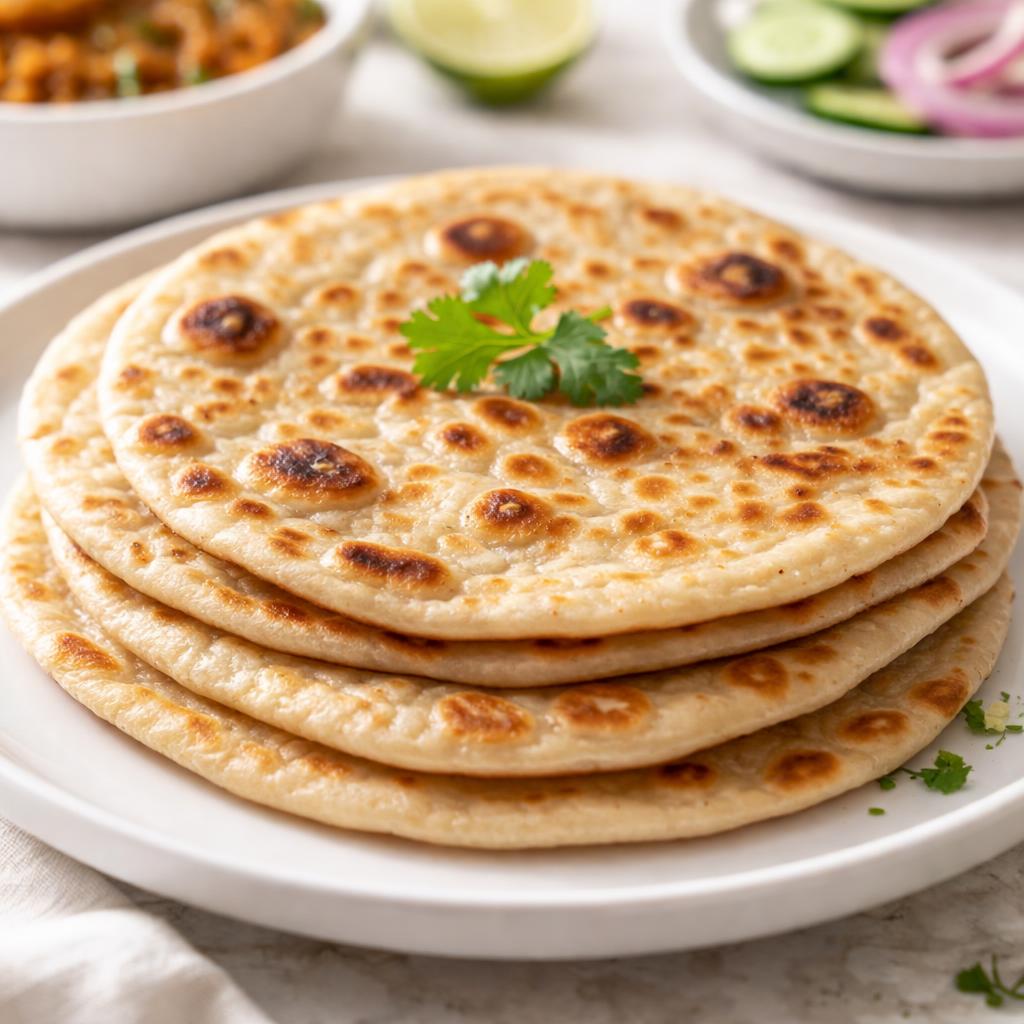
Roti
🎯 Quick Verdict
Bread and roti are both staple foods but differ nutritionally. Roti offers more protein and fiber, making it a better option for sustained energy and digestion. Bread typically contains more calories depending on type (white, whole grain) and may be less nutritious unless fortified. Bread is versatile for quick meals, while roti aligns with balanced and wholesome eating preferences.

Smart Nutrition Tracking with SnapCalorie

📊 Nutritional Comparison
Macronutrients
| Nutrient | Food 1 | Food 2 | Winner |
|---|---|---|---|
| Calories | 150 (white bread) | 120 | ✓ |
| Protein | 4g | 6g | ✓ |
| Carbs | 30g | 25g | ✓ |
| Fat | 1.5g | 3g | ✓ |
| Fiber | 1.5g | 3g | ✓ |
Vitamins & Minerals
| Nutrient | Food 1 | Food 2 | Winner |
|---|---|---|---|
| Vitamin D | 0.5mcg (fortified) | 0mcg | ✓ |
| Calcium | 50mg | 20mg | ✓ |
| Iron | 1mg | 2mg | ✓ |
🏆 Category Winners
Protein
Roti has 50% more protein than bread per serving.
Fiber
Roti contains twice the fiber, supporting digestion.
Calories
Roti has 20% fewer calories.
Vitamins
Fortified bread offers additional vitamin D and calcium.
🥗 Diet Compatibility
Keto
Food 1: Not Compatible
Food 2: Not Compatible
Both are high-carb foods.
Vegan
Food 1: Compatible
Food 2: Compatible
Both are plant-based foods unless additives exist.
Gluten Free
Food 1: Not Compatible
Food 2: Not Compatible
Both contain wheat unless labeled gluten-free.
Paleo
Food 1: Not Compatible
Food 2: Compatible
Modern bread is processed, but roti aligns more with whole foods.
Low-Carb
Food 1: Not Compatible
Food 2: Not Compatible
Both foods are high in carbohydrates.
💪 Health Benefits Comparison
Food 1 Benefits
- Provides fortified nutrients such as vitamin D and calcium
- Quick and versatile meal option
- Relatively low-fat content
Food 2 Benefits
- Rich in protein to sustain energy
- High fiber content aids digestion
- Unprocessed and closer to whole grain benefits
✅ The Bottom Line
Choose roti for its higher protein and fiber when prioritizing digestion or sustained energy. Bread is a better choice for convenience and fortified nutrients. Both are not low-carb foods but can fit into balanced diets depending on portion size.
Choose Food 1 for: Quick meals, fortified vitamin intake, lightweight snacks
Choose Food 2 for: Wholesome eating, high-fiber diets, longer satiation


