Bread VS Prosciutto
A detailed nutritional comparison
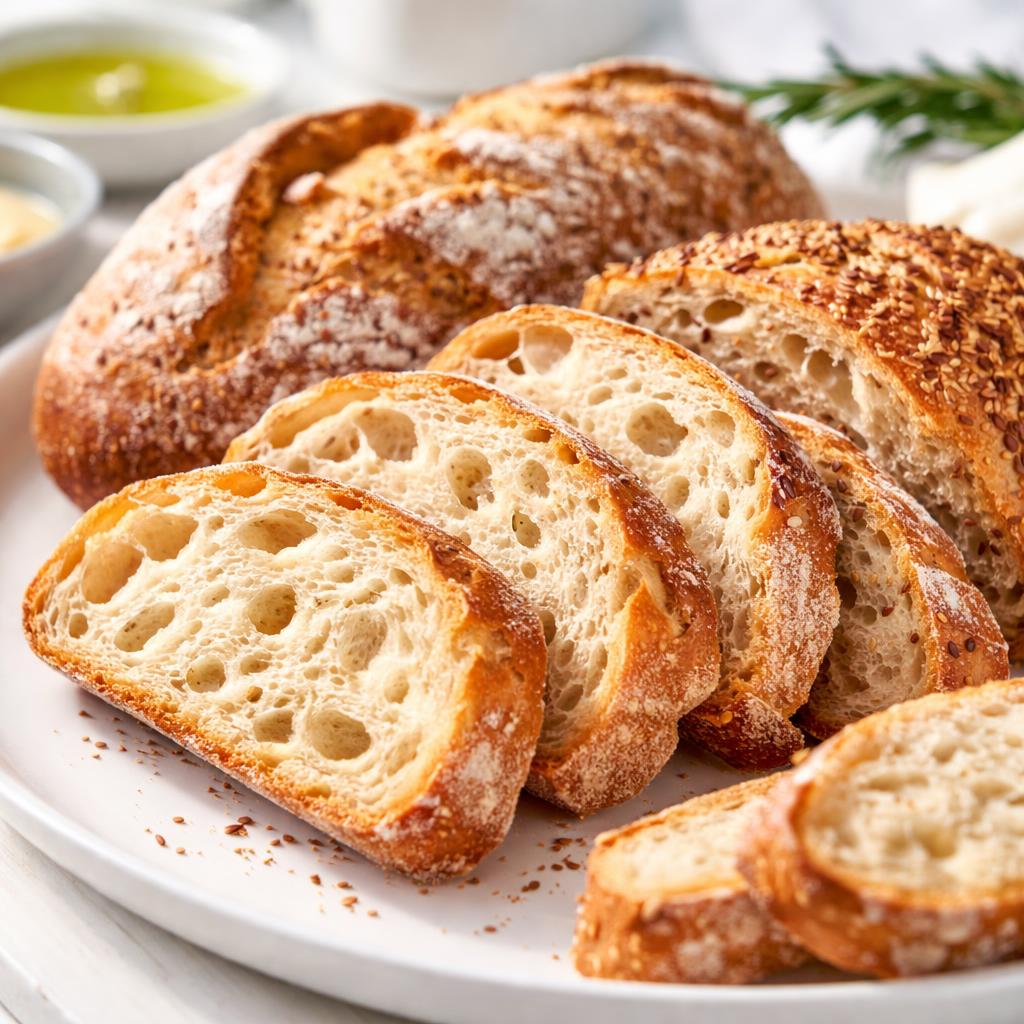
Bread
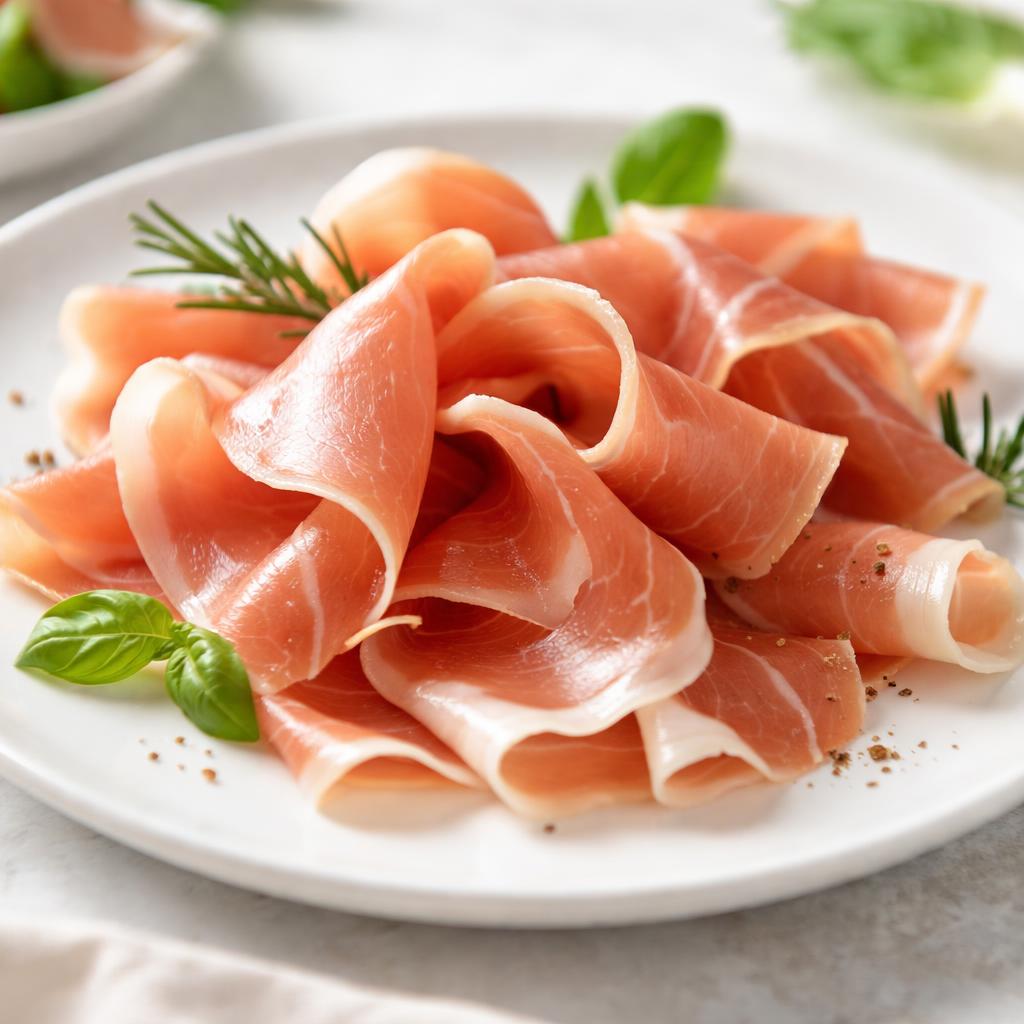
Prosciutto
🎯 Quick Verdict
Bread and prosciutto serve very different nutritional purposes. Bread is higher in fiber and carbohydrates, making it better for energy and digestion. Prosciutto is lower in calories and carbs, while being a protein-rich option ideal for keto or high-protein diets. Choose bread for sustained energy, and prosciutto for protein intake or lower calorie meals.

Smart Nutrition Tracking with SnapCalorie

📊 Nutritional Comparison
Macronutrients
| Nutrient | Food 1 | Food 2 | Winner |
|---|---|---|---|
| Calories | 260 (per 100g) | 150 (per 100g) | ✓ |
| Protein | 9g | 20g | ✓ |
| Carbs | 49g | 0g | ✓ |
| Fat | 2g | 8g | ✓ |
| Fiber | 2g | 0g | ✓ |
Vitamins & Minerals
| Nutrient | Food 1 | Food 2 | Winner |
|---|---|---|---|
| Vitamin D | 0mcg | 0.8mcg | ✓ |
| Calcium | 107mg | 11mg | ✓ |
| Iron | 3.1mg | 0.9mg | ✓ |
🏆 Category Winners
Protein
Prosciutto contains over twice the protein per serving compared to bread, which makes it ideal for muscle maintenance.
Fiber
Bread is fiber-rich, while prosciutto contains no fiber.
Calories
With 42% fewer calories per 100g, prosciutto is less calorie-dense than bread.
🥗 Diet Compatibility
Keto
Food 1: Not Compatible
Food 2: Compatible
Prosciutto is carb-free, while bread is high in carbohydrates.
Vegan
Food 1: Compatible
Food 2: Not Compatible
Bread is plant-based, but prosciutto contains animal products.
Gluten Free
Food 1: Not Compatible
Food 2: Compatible
Bread contains gluten unless explicitly labeled gluten-free, whereas prosciutto is naturally gluten-free.
Paleo
Food 1: Not Compatible
Food 2: Compatible
Bread is processed and not paleo-approved, but prosciutto aligns with paleo principles in moderation.
Low Carb
Food 1: Not Compatible
Food 2: Compatible
Prosciutto has 0g carbs, while bread is high-carb (49g per 100g).
💪 Health Benefits Comparison
Food 1 Benefits
- High in carbohydrates for energy
- Rich in fiber to support digestion
- Provides iron for healthy oxygen transport
- Contains calcium for bone health
Food 2 Benefits
- Rich in protein for muscle growth and repair
- Contains healthy fats to support heart health
- Low in calories, making it suitable for weight management
- Provides vitamin D for bone and immune health
✅ The Bottom Line
Bread and prosciutto are highly different nutritionally. Choose bread for energy and fiber, especially for active days or as a base for sandwiches. Opt for prosciutto when pursuing high-protein, low-carb, or keto goals, particularly for quick snacks and savory flavor enhancement.
Choose Food 1 for: Energy-boosting meals, digestion support, vegan diets
Choose Food 2 for: Low-carb diets, keto, protein-rich snacks


