Bread VS Pastry
A detailed nutritional comparison
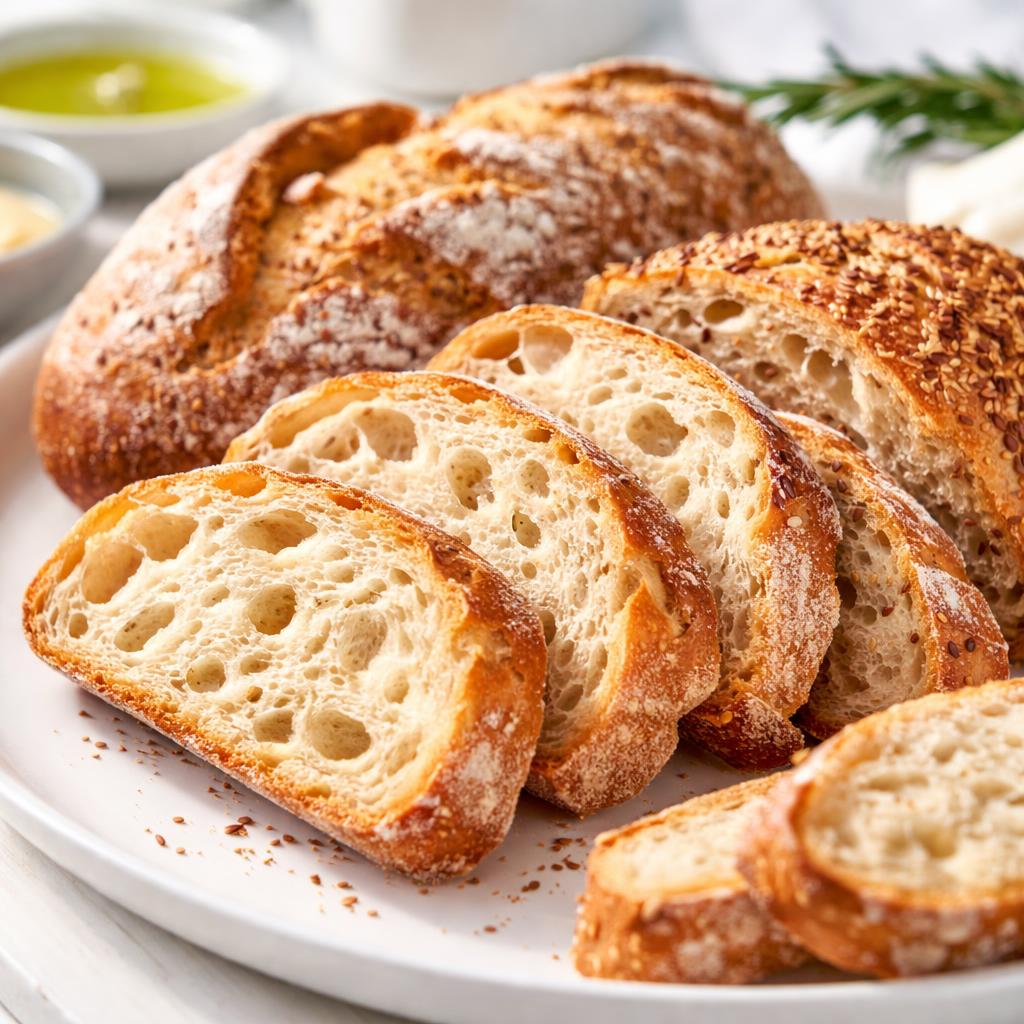
Bread

Pastry
🎯 Quick Verdict
Bread is generally more nutrient-dense and lower in calories compared to pastry while offering more fiber and protein. However, pastry is richer in fats and sugars, making it a better choice for indulgence or calorie-dense recipes. Bread suits health-conscious diets, while pastries cater to occasional treats or high-energy needs.

Smart Nutrition Tracking with SnapCalorie

📊 Nutritional Comparison
Macronutrients
| Nutrient | Food 1 | Food 2 | Winner |
|---|---|---|---|
| Calories | 80 | 250 | ✓ |
| Protein | 3g | 2g | ✓ |
| Carbs | 15g | 22g | ✓ |
| Fat | 1g | 15g | ✓ |
| Fiber | 2g | 0.5g | ✓ |
Vitamins & Minerals
| Nutrient | Food 1 | Food 2 | Winner |
|---|---|---|---|
| Vitamin D | 0mcg | 1mcg | ✓ |
| Calcium | 50mg | 30mg | ✓ |
| Iron | 1.5mg | 0.8mg | ✓ |
🏆 Category Winners
Protein
Bread offers more protein, which is helpful for satiety and muscle health.
Fiber
Bread contains 4 times more dietary fiber, supporting digestion.
Calories
Bread has significantly fewer calories than pastry.
Vitamins
Vitamin levels vary; pastry has more Vitamin D while bread provides more calcium and iron.
🥗 Diet Compatibility
Keto
Food 1: Not Compatible
Food 2: Not Compatible
Both have high carbohydrate content and are unsuitable for keto diets.
Vegan
Food 1: Potentially Compatible
Food 2: Potentially Compatible
Depends on additional ingredients; some pastries may contain animal-derived products like butter.
Gluten Free
Food 1: Not Compatible
Food 2: Not Compatible
Both are traditionally wheat-based and contain gluten.
Paleo
Food 1: Not Compatible
Food 2: Not Compatible
Neither is whole-food-based or paleo-friendly due to grains and refined sugars.
Low-Carb
Food 1: Not Compatible
Food 2: Not Compatible
Both foods contain high levels of carbohydrates.
💪 Health Benefits Comparison
Food 1 Benefits
- Lower in calories, aiding in weight management
- Good source of fiber for digestive health
- Provides iron for energy and oxygen transport
Food 2 Benefits
- Higher in fats which provide long-term energy
- Contains Vitamin D for bone health
- Can offer quick energy due to its carbohydrate content
✅ The Bottom Line
Bread is a healthier and more practical choice for everyday consumption, offering lower calories, more fiber, and better overall nutrient density. Pastries, while less healthy, provide a richer flavor profile and a quick energy boost for indulgent moments or calorie-dense needs.
Choose Food 1 for: Daily meals, health-conscious diets, digestion support
Choose Food 2 for: Occasional treats, energy-dense recipes, indulgence


