Bread VS Pain
A detailed nutritional comparison
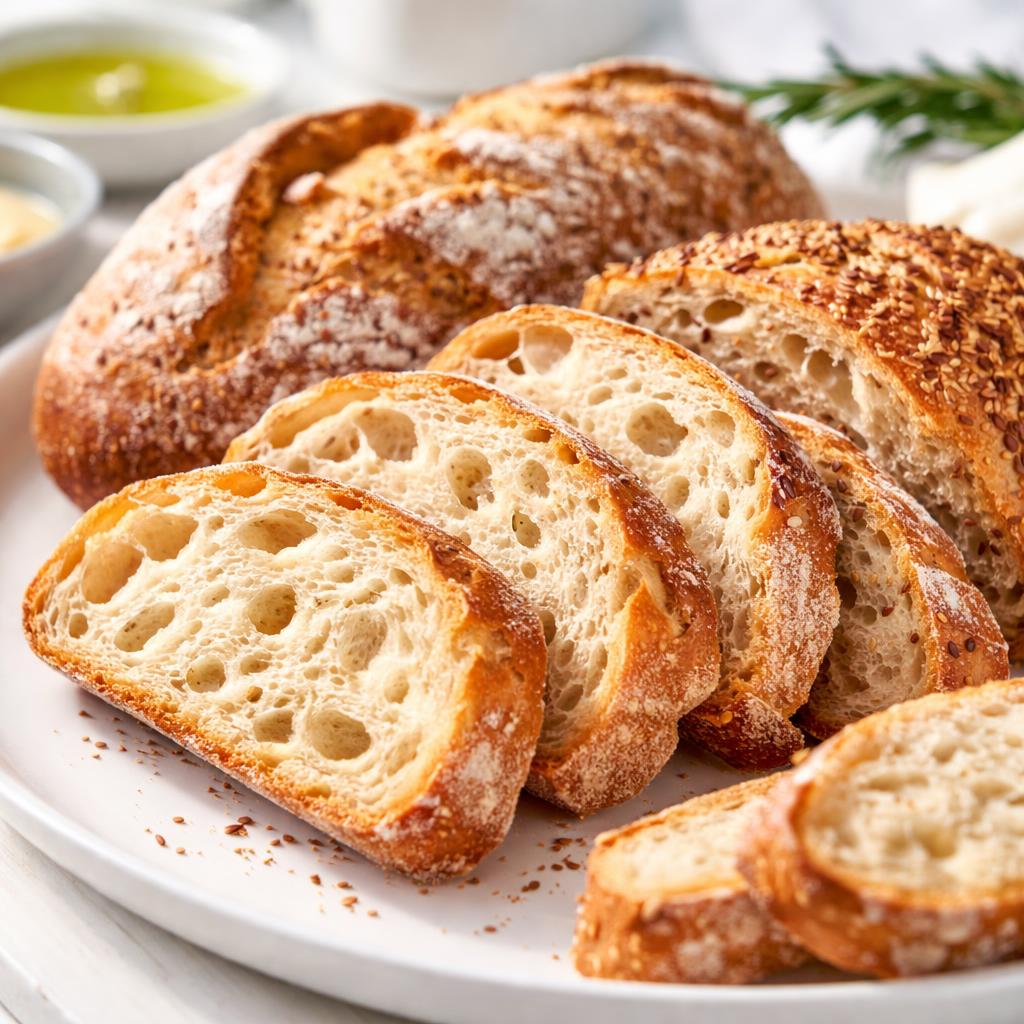
Bread
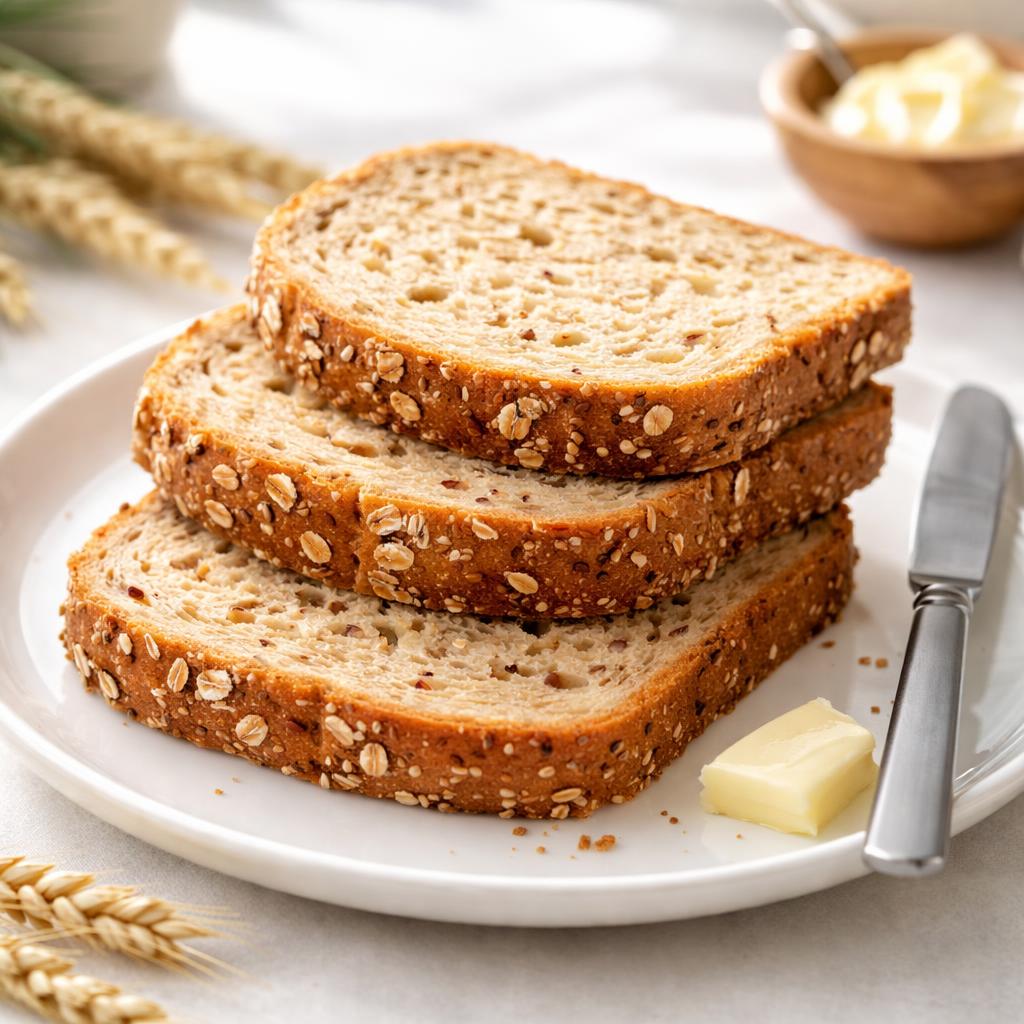
Pain
🎯 Quick Verdict
Bread and pain (French bread) are nutritionally similar but differ slightly based on the type and serving size. Bread tends to be more balanced in terms of protein and fiber, while pain is typically lower in calories due to its simpler ingredient profile. Bread is better for individuals seeking more nutrients, whereas pain is suitable for lighter meals or calorie-conscious diets.

Smart Nutrition Tracking with SnapCalorie

📊 Nutritional Comparison
Macronutrients
| Nutrient | Food 1 | Food 2 | Winner |
|---|---|---|---|
| Calories | 75 (per slice) | 69 (per 30g) | ✓ |
| Protein | 4g | 3g | ✓ |
| Carbs | 14g | 13g | ✓ |
| Fat | 1g | 1g | − |
| Fiber | 1g | 0g | ✓ |
Vitamins & Minerals
| Nutrient | Food 1 | Food 2 | Winner |
|---|---|---|---|
| Vitamin D | 0mcg | 0mcg | − |
| Calcium | 48mg | 20mg | ✓ |
| Iron | 1mg | 0.8mg | ✓ |
🏆 Category Winners
Protein
Bread contains about 1g more protein per serving compared to pain.
Fiber
Bread offers 1g of fiber, while pain contains no dietary fiber.
Calories
Pain is slightly lower in calories per serving.
Vitamins
Bread has higher calcium and iron levels overall.
🥗 Diet Compatibility
Keto
Food 1: Not Compatible
Food 2: Not Compatible
Both are high-carb and not suitable for keto diets.
Vegan
Food 1: Compatible
Food 2: Compatible
Both breads are typically made without animal products.
Gluten Free
Food 1: Not Compatible
Food 2: Not Compatible
Both foods contain gluten as they are wheat-based.
Paleo
Food 1: Not Compatible
Food 2: Not Compatible
Neither fits within the whole food/paleo guidelines due to wheat content.
Low Carb
Food 1: Not Compatible
Food 2: Not Compatible
Both bread options are relatively high in carbohydrates.
💪 Health Benefits Comparison
Food 1 Benefits
- Provides moderate protein for muscle repair
- Good source of fiber for digestion
- Contains a small amount of calcium and iron for bone and blood health
Food 2 Benefits
- Lower calorie option for weight management
- Simpler ingredient profile, suitable for sensitive stomachs
- May provide sustained energy due to moderate carb content
✅ The Bottom Line
Choose bread for additional nutrients like protein, fiber, and minerals; it’s ideal for more filling meals. Opt for pain when looking for a lighter option or lower-calorie bread alternative. Both are great for general use but should be balanced within the diet depending on nutritional needs.
Choose Food 1 for: Balanced meals, digestion, nutrient-dense bread choices
Choose Food 2 for: Low-calorie meals, energy support, light bread alternative


