Bread VS Olives
A detailed nutritional comparison
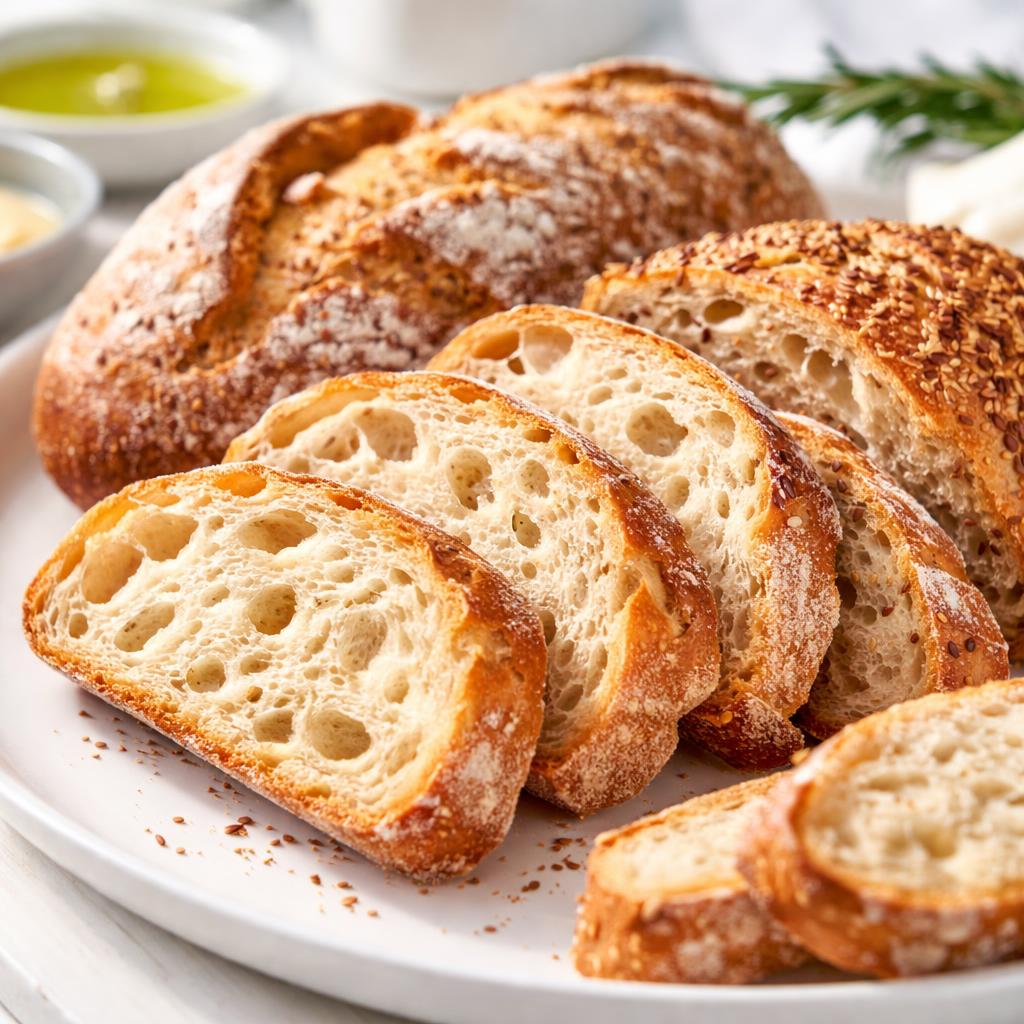
Bread
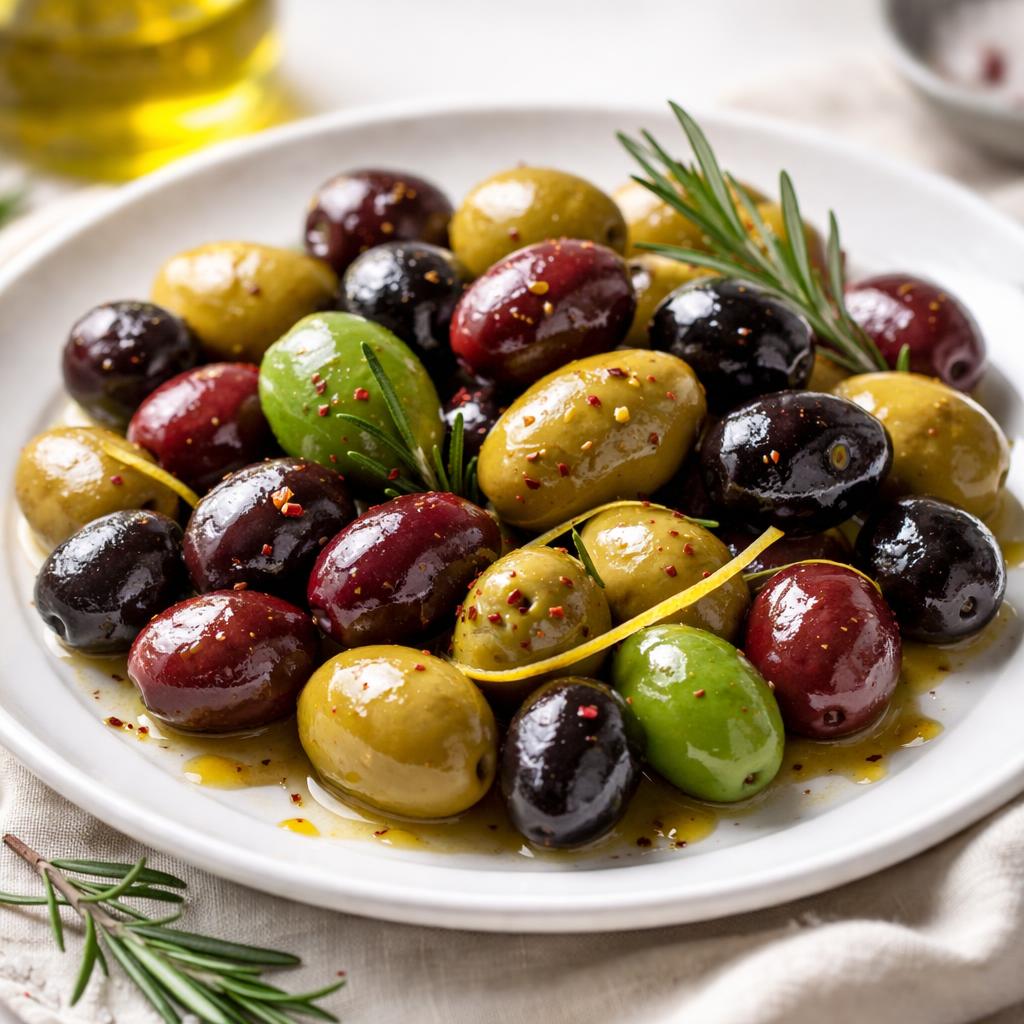
Olives
🎯 Quick Verdict
Bread excels in protein and fiber, making it a better choice for energy and digestion support, while olives are lower in calories and higher in healthy fats, which are beneficial for heart health. Bread is ideal for more filling meals, while olives are better for snacking or adding to a Mediterranean diet for nutrient density and flavor.

Smart Nutrition Tracking with SnapCalorie

📊 Nutritional Comparison
Macronutrients
| Nutrient | Food 1 | Food 2 | Winner |
|---|---|---|---|
| Calories | 80 (per slice) | 50 (per 5 olives) | ✓ |
| Protein | 4g | 0g | ✓ |
| Carbs | 15g | 1g | ✓ |
| Fat | 1g | 4g | ✓ |
| Fiber | 2g | 0.5g | ✓ |
Vitamins & Minerals
| Nutrient | Food 1 | Food 2 | Winner |
|---|---|---|---|
| Vitamin D | 0mcg | 0mcg | − |
| Calcium | 35mg | 40mg | ✓ |
| Iron | 0.8mg | 0.3mg | ✓ |
🏆 Category Winners
Protein
Bread contains 4g of protein per slice, while olives contain virtually no protein.
Fiber
Bread offers considerably more fiber (2g per slice) compared to olives.
Calories
Olives are lower in calories with just 50 per serving.
Vitamins
Olives provide slightly more calcium, contributing to 40mg compared to 35mg in bread.
🥗 Diet Compatibility
Keto
Food 1: Not Compatible
Food 2: Compatible
Olives are low-carb and high-fat, ideal for keto diets.
Vegan
Food 1: Compatible
Food 2: Compatible
Both bread and olives are plant-based.
Gluten Free
Food 1: Not Compatible
Food 2: Compatible
Bread contains gluten; olives are naturally gluten-free.
Paleo
Food 1: Not Compatible
Food 2: Compatible
Bread contains processed grains, making it non-paleo, but olives align well with paleo diets.
Low Carb
Food 1: Not Compatible
Food 2: Compatible
Bread is high in carbs, while olives are low-carb.
💪 Health Benefits Comparison
Food 1 Benefits
- Provides energy through healthy carbohydrates
- A good source of dietary fiber for digestion
- Contains modest amounts of protein for muscle repair
Food 2 Benefits
- Rich in healthy fats for heart health
- Contains antioxidants that combat inflammation
- Offers small amounts of calcium for bone health
✅ The Bottom Line
Bread is a more filling choice ideal for meals needing carbohydrates and fiber, while olives are a nutrient-dense, lower-calorie snack that fits nicely into heart-healthy diets or low-carb plans. Consider bread for energy and meal-building, and olives for light snacking or Mediterranean cuisine.
Choose Food 1 for: Energy boost, digestion, pairing with soups and spreads
Choose Food 2 for: Keto-friendly snacks, nutrient-rich flavor additions, heart health


