Bread VS Leek
A detailed nutritional comparison
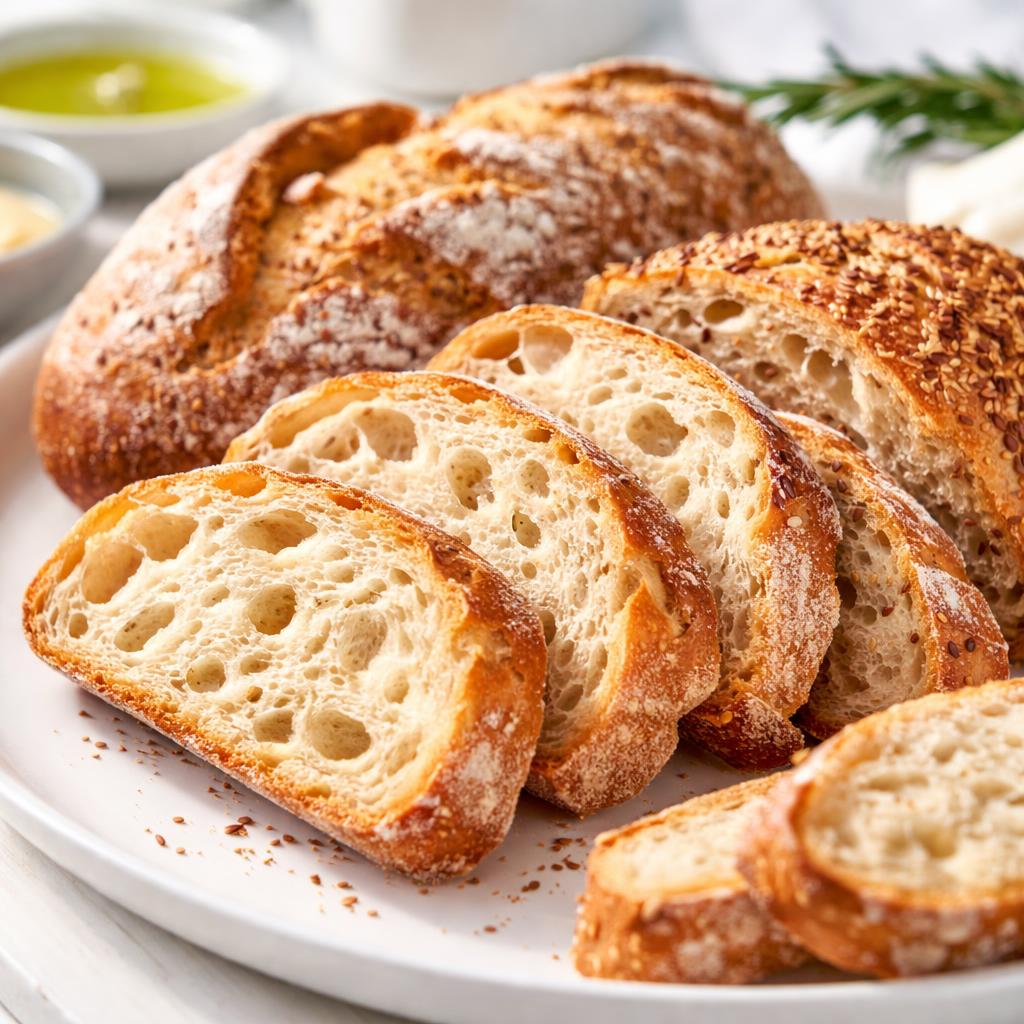
Bread
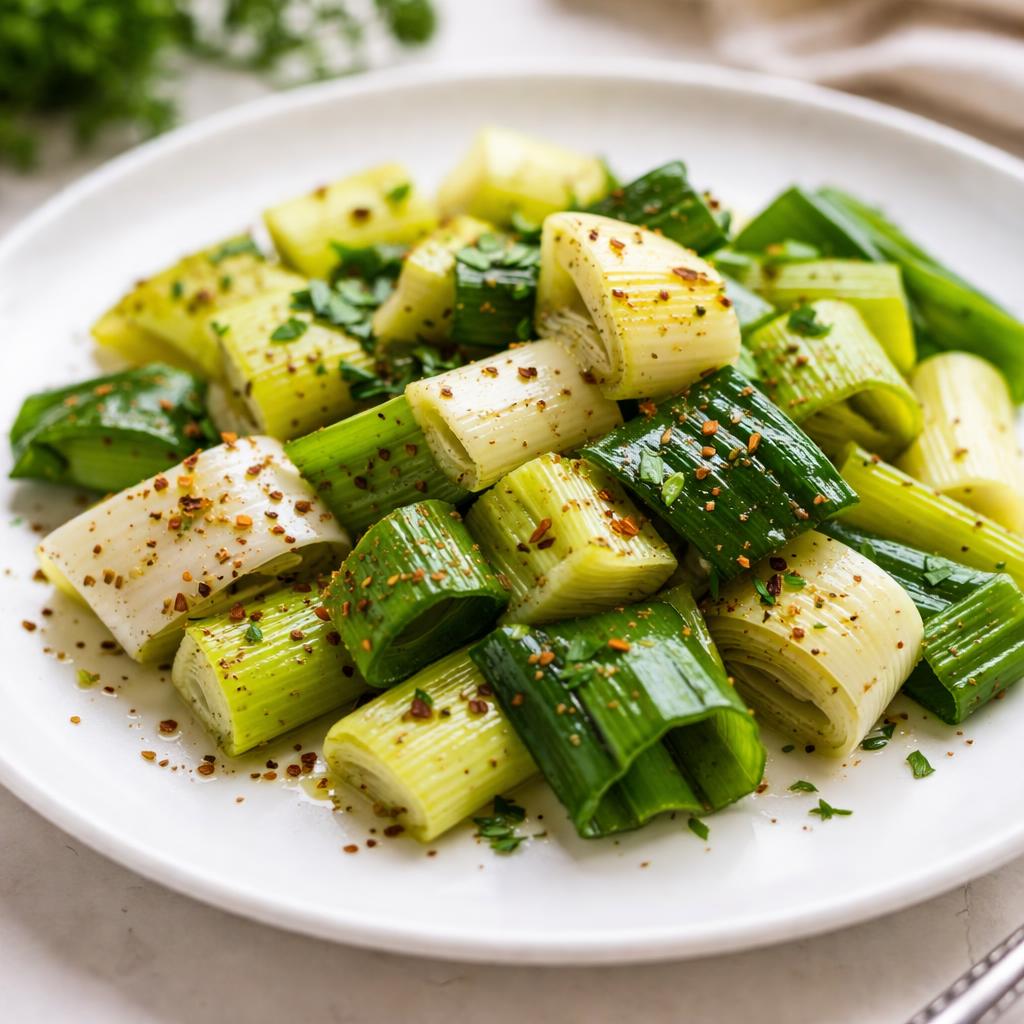
Leek
🎯 Quick Verdict
Bread is higher in protein and calories compared to leek, while leek provides significantly more fiber and fewer calories per serving. Bread is better for energy needs and protein inclusion in meals, whereas leek excels in providing fiber and vitamins with minimal calorie contribution, making it ideal for light meals or side dishes.

Smart Nutrition Tracking with SnapCalorie

📊 Nutritional Comparison
Macronutrients
| Nutrient | Food 1 | Food 2 | Winner |
|---|---|---|---|
| Calories | 265 | 61 | ✓ |
| Protein | 9g | 1.5g | ✓ |
| Carbs | 49g | 14g | ✓ |
| Fat | 3.2g | 0.3g | ✓ |
| Fiber | 2.7g | 1.8g | ✓ |
Vitamins & Minerals
| Nutrient | Food 1 | Food 2 | Winner |
|---|---|---|---|
| Vitamin A | 0 IU | 490 IU | ✓ |
| Vitamin C | 0mg | 12mg | ✓ |
| Vitamin K | 0mcg | 47mcg | ✓ |
🏆 Category Winners
Protein
Bread contains significantly more protein, making it a better choice for protein intake.
Fiber
Leek has a higher fiber-to-calorie ratio than bread.
Calories
Leek is much lower in calories, ideal for low-calorie diets.
🥗 Diet Compatibility
Keto
Food 1: Not Compatible
Food 2: Compatible
Bread is high in carbs, while leek is low-carb, fitting keto guidelines.
Vegan
Food 1: Compatible
Food 2: Compatible
Both foods are plant-based.
Gluten Free
Food 1: Not Compatible
Food 2: Compatible
Bread contains gluten unless specifically made gluten-free, whereas leek is naturally gluten-free.
Paleo
Food 1: Not Compatible
Food 2: Compatible
Bread (unless made paleo-specific) contains grains not allowed in the paleo diet. Leek fits paleo dietary guidelines.
Low Carb
Food 1: Not Compatible
Food 2: Compatible
Bread is high-carb, while leek is low-carb with just 14g of carbohydrates per serving.
💪 Health Benefits Comparison
Food 1 Benefits
- Provides quick energy due to higher carbohydrate content
- Contains protein for tissue repair and muscle maintenance
- Offers selenium, which supports thyroid health and antioxidant defenses
Food 2 Benefits
- Rich in antioxidants like Vitamin A and C, promoting immune health
- High fiber content for improved digestion and gut health
- Low calorie food, excellent for weight management
✅ The Bottom Line
Bread is a filling food option offering higher protein and energy as part of main meals, suitable for active individuals or those requiring energy. Leek, however, is nutrient-dense with lower calories and higher fiber and vitamin content, making it better suited for light, healthy, and low-carb meals. Choose based on dietary goals.
Choose Food 1 for: Energy needs, protein intake, general meal base
Choose Food 2 for: Weight loss, digestion improvement, vitamin-rich sides


