Bread VS Kiwi
A detailed nutritional comparison
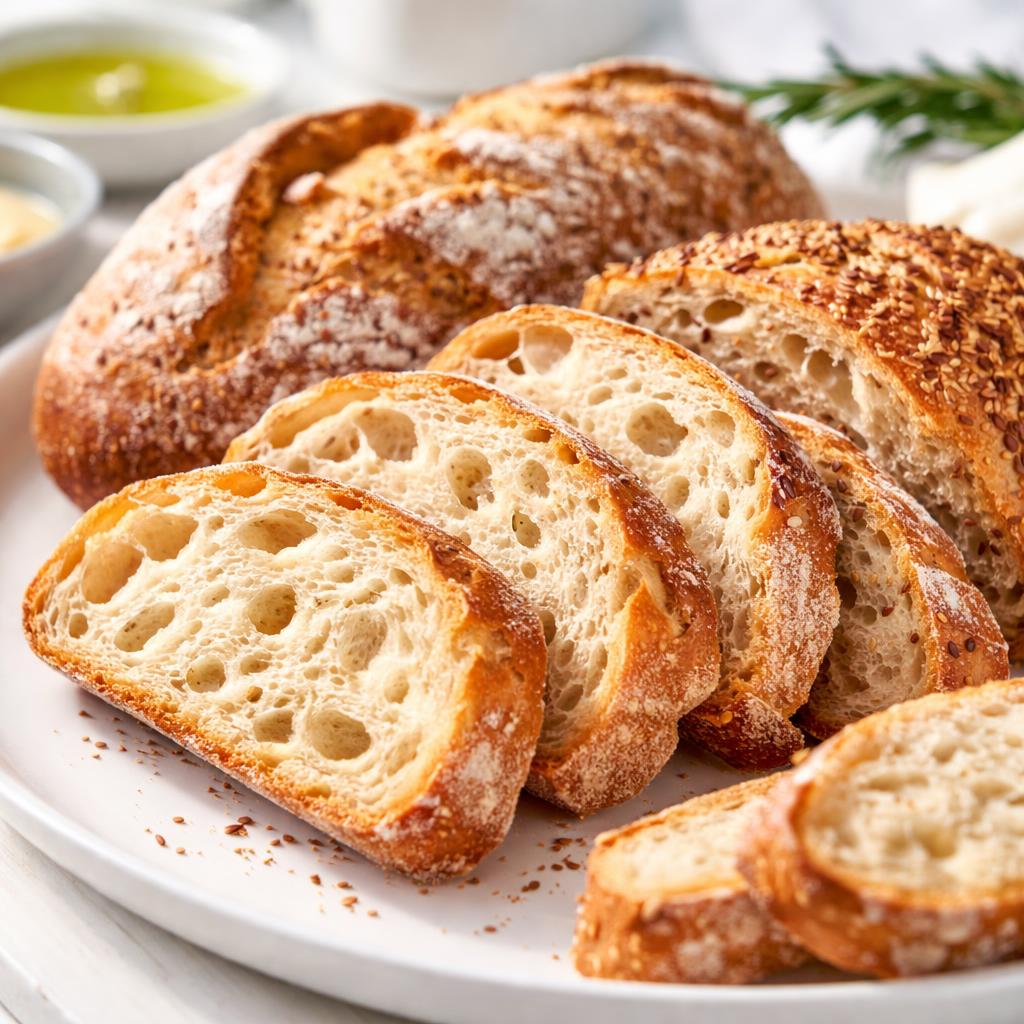
Bread
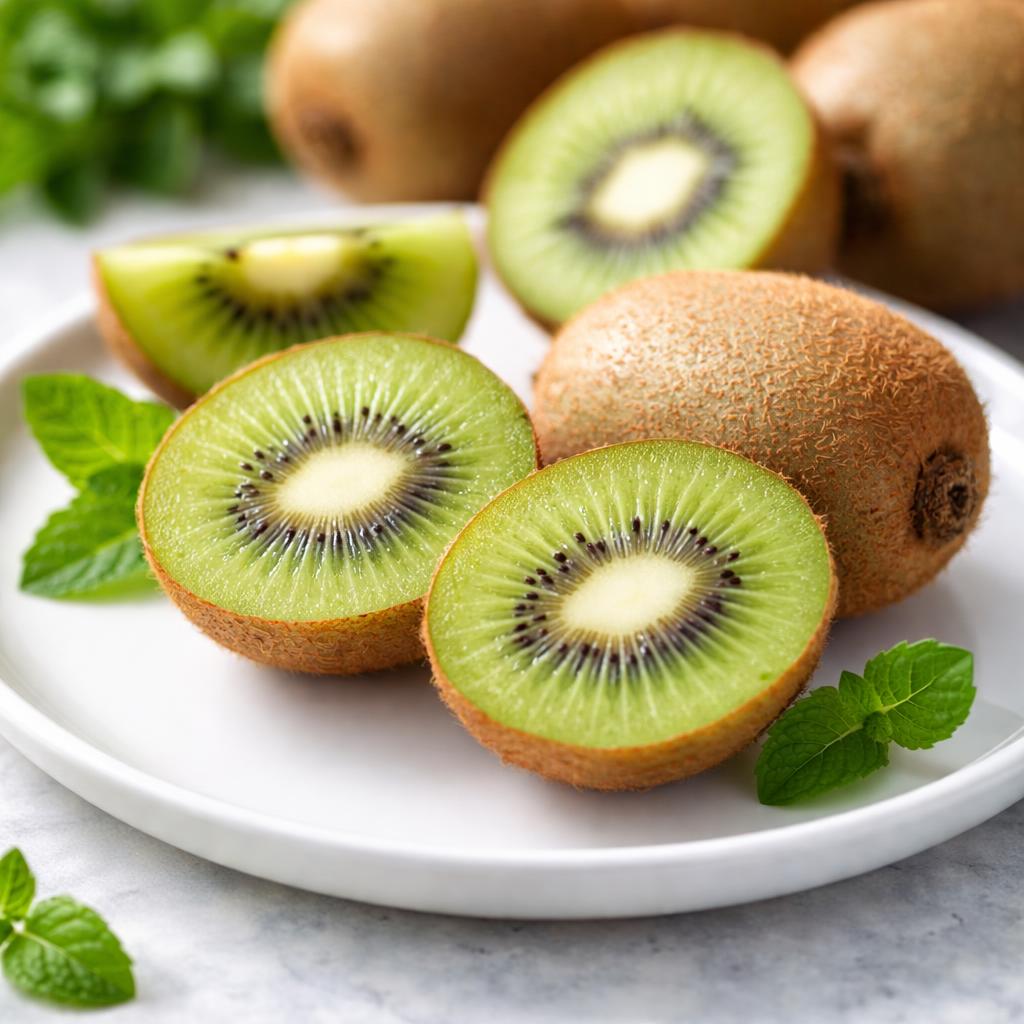
Kiwi
🎯 Quick Verdict
Kiwi is nutritionally dense, rich in vitamins, and lower in calories, making it ideal for weight management and immune health. Bread is higher in protein and offers more energy from carbohydrates, which suits activity-driven lifestyles and meals seeking higher satiety.

Smart Nutrition Tracking with SnapCalorie

📊 Nutritional Comparison
Macronutrients
| Nutrient | Food 1 | Food 2 | Winner |
|---|---|---|---|
| Calories | 80 | 42 | ✓ |
| Protein | 4g | 0.8g | ✓ |
| Carbs | 15g | 10g | ✓ |
| Fat | 1g | 0.4g | ✓ |
| Fiber | 1g | 2g | ✓ |
Vitamins & Minerals
| Nutrient | Food 1 | Food 2 | Winner |
|---|---|---|---|
| Vitamin C | 0mg | 92.7mg | ✓ |
| Vitamin A | 0IU | 71IU | ✓ |
| Calcium | 30mg | 23mg | ✓ |
| Iron | 1mg | 0.2mg | ✓ |
🏆 Category Winners
Protein
Bread has 5x more protein per serving.
Fiber
Kiwi is naturally higher in fiber, providing double per serving.
Calories
Kiwi has almost half the calories compared to bread per serving.
Vitamins
Kiwi dominates in vitamin content, particularly vitamin C which boosts immune health.
🥗 Diet Compatibility
Keto
Food 1: Not Compatible
Food 2: Not Compatible
Both foods are relatively high in carbohydrates.
Vegan
Food 1: Compatible
Food 2: Compatible
Both foods are completely plant-based.
Gluten Free
Food 1: Not Compatible
Food 2: Compatible
Bread typically contains gluten, while kiwi is naturally gluten-free.
Paleo
Food 1: Not Compatible
Food 2: Compatible
Bread is processed and not suitable for a paleo diet, but kiwi is a whole fruit.
Low-Carb
Food 1: Not Compatible
Food 2: Compatible
Bread has higher carbs overall, whereas kiwi has fewer net carbs per serving.
💪 Health Benefits Comparison
Food 1 Benefits
- Higher protein content supports muscle and tissue repair
- Provides quick energy through accessible carbohydrates
- Contains iron for maintaining healthy red blood cells
Food 2 Benefits
- Rich in vitamin C to enhance immune function
- High dietary fiber promotes digestive health
- Contains antioxidants that support overall cell health
✅ The Bottom Line
Kiwi excels as a vitamin-rich, low-calorie option for weight management and healthy snacking, while bread is better for higher energy needs and incorporating protein into meals. Choose kiwi for nutrient density, and bread for fulfilling hunger and energy replenishment.
Choose Food 1 for: Active lifestyles, high-energy meals, protein supplementation
Choose Food 2 for: Weight management, immune health, vitamin boosting


