Bread VS Idli
A detailed nutritional comparison
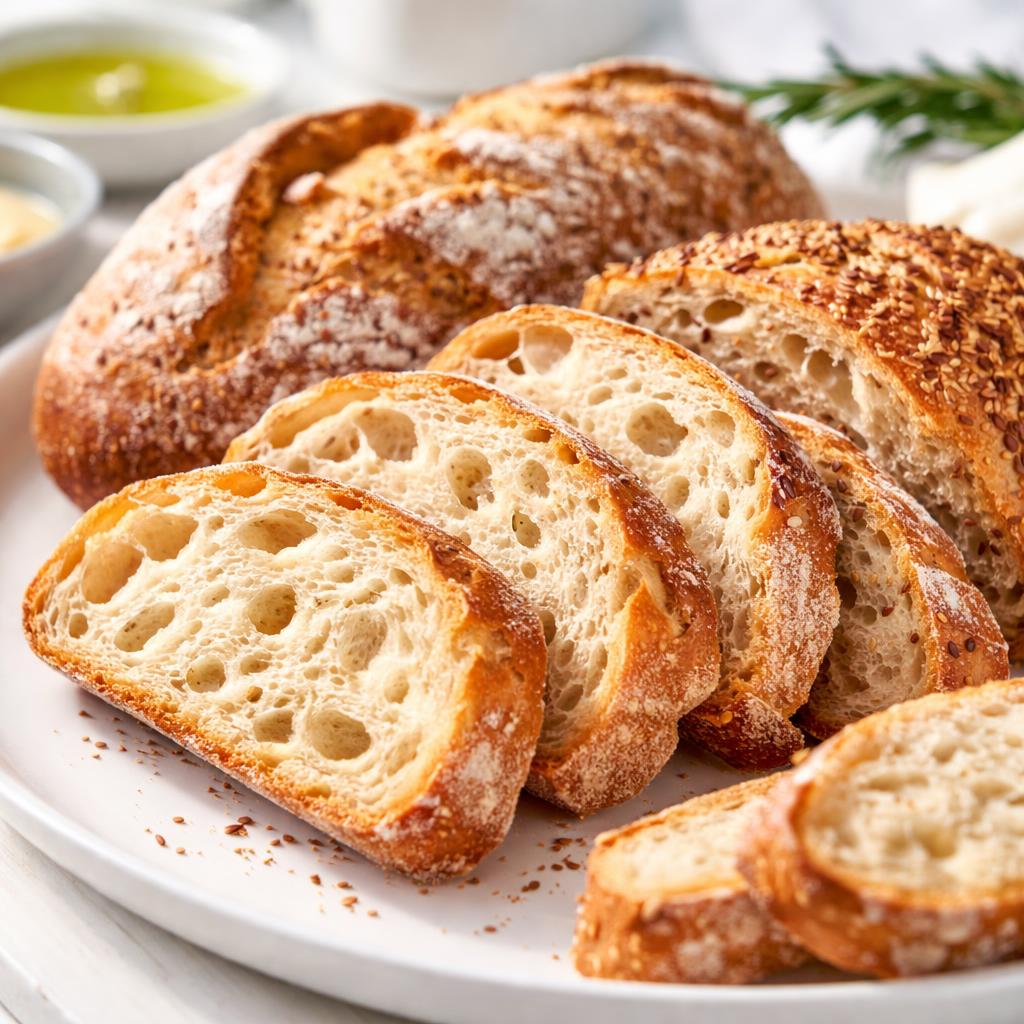
Bread
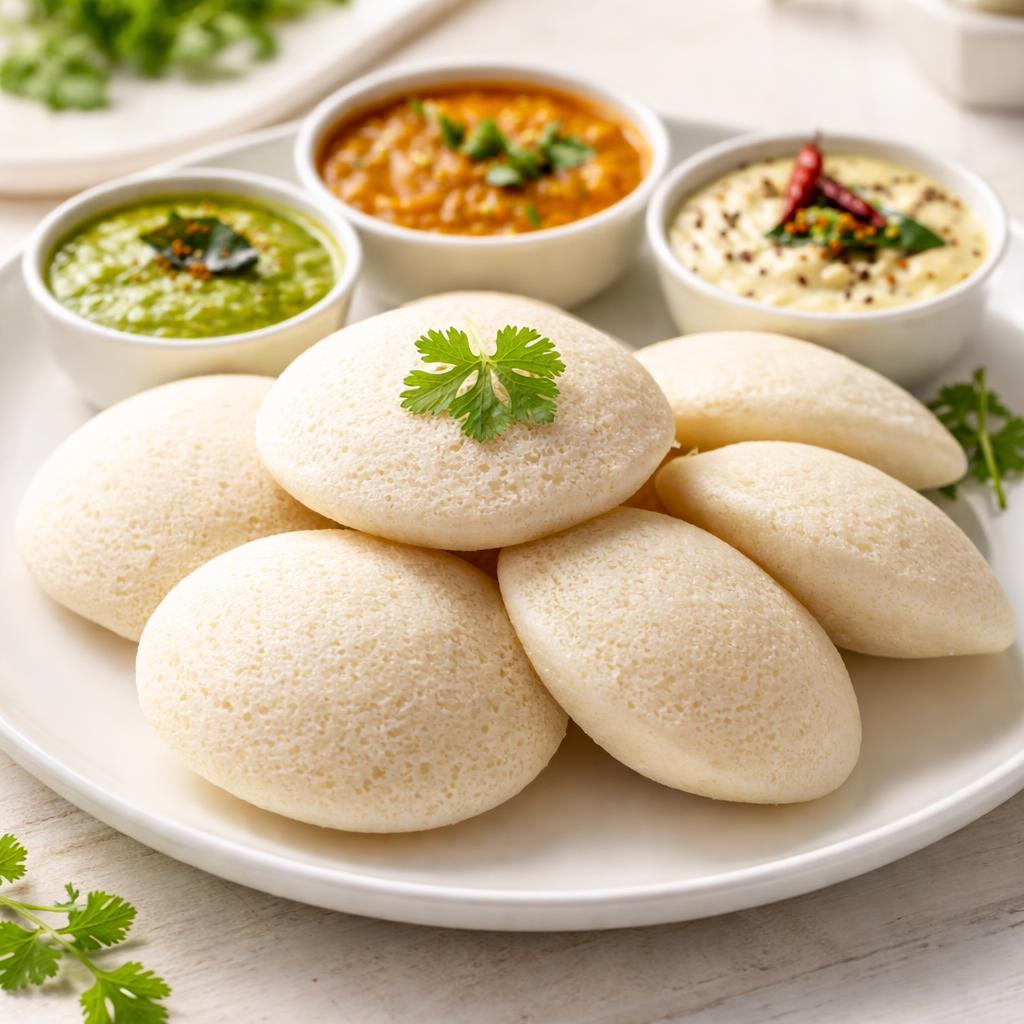
Idli
🎯 Quick Verdict
Bread and idli offer distinct nutritional benefits. Bread is higher in protein and fiber, making it more suitable for muscle-building and digestive health, whereas idli is lower in calories and fat, making it ideal for light meals or weight management. Choose bread for satiety and idli for a lower-calorie option that is easy to digest.

Smart Nutrition Tracking with SnapCalorie

📊 Nutritional Comparison
Macronutrients
| Nutrient | Food 1 | Food 2 | Winner |
|---|---|---|---|
| Calories | 240 per slice (white bread) | 58 per idli | ✓ |
| Protein | 5g per slice | 2g per idli | ✓ |
| Carbs | 45g per slice | 12g per idli | ✓ |
| Fat | 1g per slice | 0.5g per idli | ✓ |
| Fiber | 2g per slice | 0.5g per idli | ✓ |
Vitamins & Minerals
| Nutrient | Food 1 | Food 2 | Winner |
|---|---|---|---|
| Vitamin B | Present (varies by bread type) | Minimal | ✓ |
| Calcium | 30mg per slice | 12mg per idli | ✓ |
| Iron | 1.8mg per slice | 0.3mg per idli | ✓ |
🏆 Category Winners
Protein
Bread provides over double the protein per serving compared to idli.
Fiber
Bread has four times the fiber content of idli per serving.
Calories
Idli is far lower in calories, making it better for calorie-conscious diets.
🥗 Diet Compatibility
Keto
Food 1: Not Compatible
Food 2: Not Compatible
Both foods are high in carbohydrates.
Vegan
Food 1: Compatible
Food 2: Compatible
Neither food contains animal products unless bread has added milk or eggs.
Gluten Free
Food 1: Not Compatible
Food 2: Compatible
Bread typically contains gluten, while idli is made from fermented rice and lentils.
Paleo
Food 1: Not Compatible
Food 2: Not Compatible
Neither bread nor idli aligns with paleo principles due to grain content.
Low-Carb
Food 1: Not Compatible
Food 2: Not Compatible
Both are carbohydrate-rich foods.
💪 Health Benefits Comparison
Food 1 Benefits
- Good source of protein for muscle health
- Contains dietary fiber for digestion
- Provides essential B vitamins for energy metabolism
Food 2 Benefits
- Low in calories, ideal for weight management
- Easily digestible due to fermentation process
- Rich in probiotics that support gut health
✅ The Bottom Line
Choose bread for a more protein- and fiber-rich option that promotes satiety and energy sustainability. Opt for idli when looking for a light, easily digestible, and lower-calorie meal, especially suitable for breakfast or snacks.
Choose Food 1 for: Muscle maintenance, energy-dense meals, digestive health
Choose Food 2 for: Weight management, light meals, gut health


