Bread VS Hummus
A detailed nutritional comparison
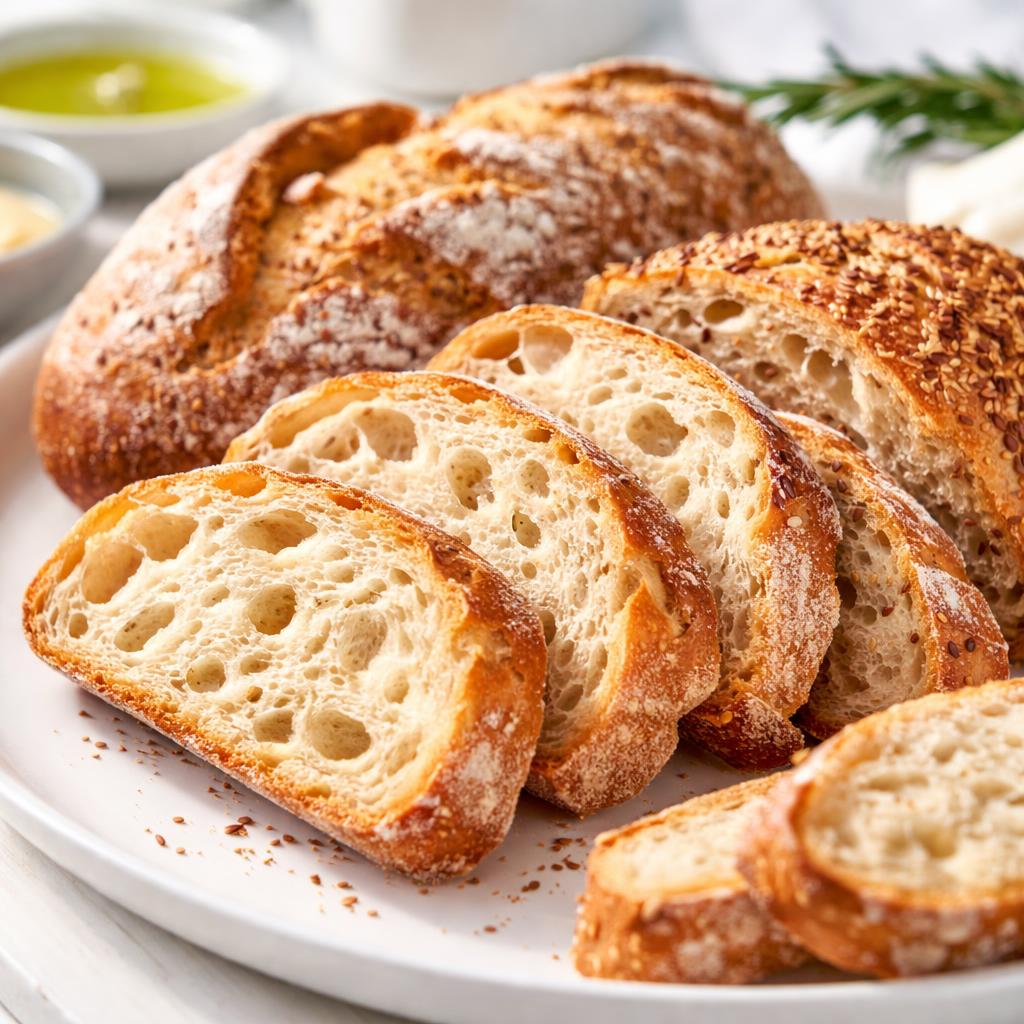
Bread
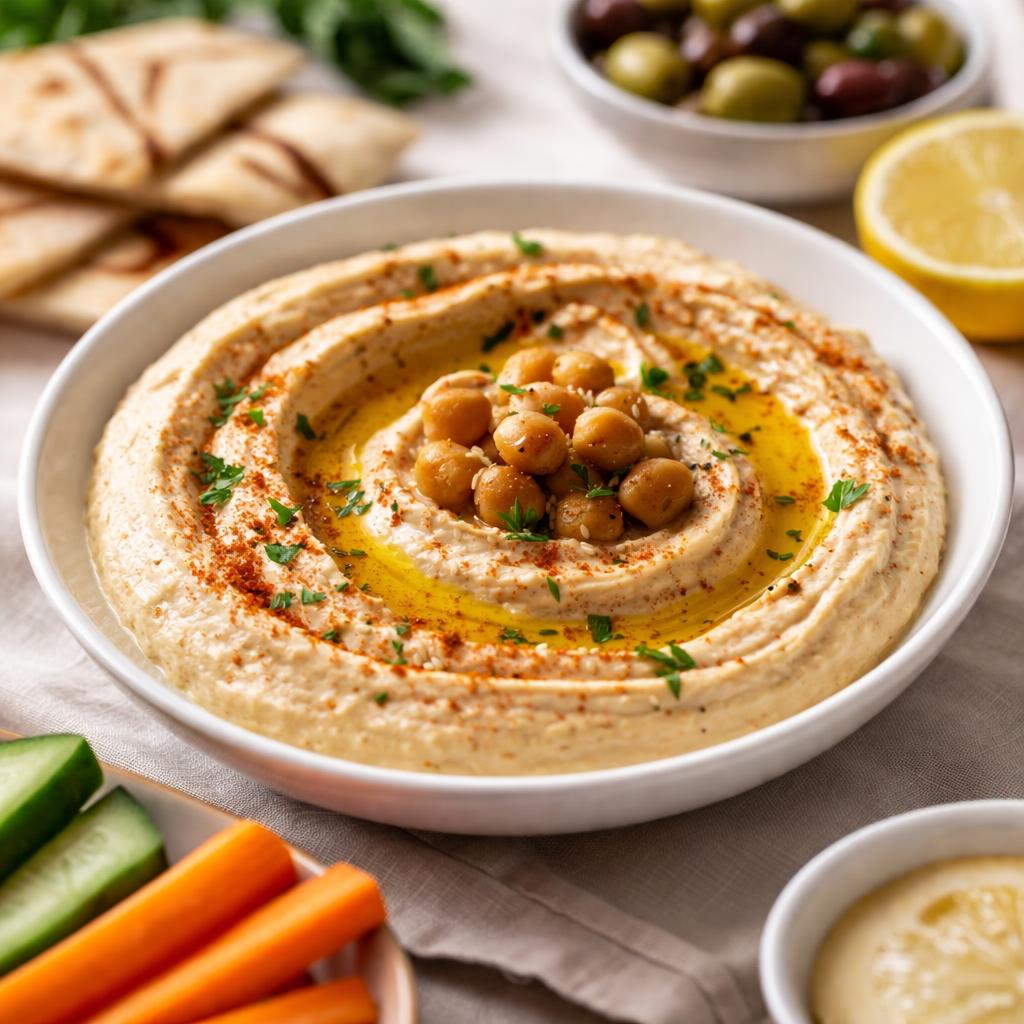
Hummus
🎯 Quick Verdict
Bread and hummus differ significantly in their nutritional profiles. Bread is higher in carbohydrates and calories, making it a quick energy source, whereas hummus is lower calorie, higher in protein, and much richer in fiber. Hummus is better for nutrient density and balanced diets, while bread is versatile for quick meals and energy boosts.

Smart Nutrition Tracking with SnapCalorie

📊 Nutritional Comparison
Macronutrients
| Nutrient | Food 1 | Food 2 | Winner |
|---|---|---|---|
| Calories | 265 (per 100g) | 166 (per 100g) | ✓ |
| Protein | 9g | 8g | ✓ |
| Carbs | 49g | 14g | ✓ |
| Fat | 3.2g | 10g | ✓ |
| Fiber | 2.6g | 6g | ✓ |
Vitamins & Minerals
| Nutrient | Food 1 | Food 2 | Winner |
|---|---|---|---|
| Vitamin B6 | 0.1mg | 0.6mg | ✓ |
| Iron | 3.6mg | 2.4mg | ✓ |
| Calcium | 140mg | 29mg | ✓ |
🏆 Category Winners
Protein
Bread has slightly more protein per 100g than hummus.
Fiber
Hummus contains over twice the fiber of bread.
Calories
Hummus is approximately 37% lower in calories compared to bread.
Vitamins
Hummus has more Vitamin B6 and contains healthy fats.
🥗 Diet Compatibility
Keto
Food 1: Not Compatible
Food 2: Compatible
Hummus is much lower in carbs and fits into low-carb and keto diets.
Vegan
Food 1: Compatible
Food 2: Compatible
Both foods are plant-based and suitable for vegan diets.
Gluten Free
Food 1: Not Compatible
Food 2: Compatible
Bread typically contains gluten, while hummus is naturally gluten-free.
Paleo
Food 1: Not Compatible
Food 2: Compatible
Hummus aligns with paleo guidelines, while bread does not.
Low-Carb
Food 1: Not Compatible
Food 2: Compatible
Bread is high in carbs (49g/100g), whereas hummus contains only 14g of carbs.
💪 Health Benefits Comparison
Food 1 Benefits
- Good source of quick-digesting carbohydrates for energy
- Provides iron for red blood cell production
- Contains moderate amounts of protein
Food 2 Benefits
- Rich in fiber for maintaining a healthy digestion
- Contains healthy fats that support heart and brain health
- A lower-calorie dip option with nutrient density
✅ The Bottom Line
Choose bread for a quick energy boost or as a convenient staple for meals. Opt for hummus in nutrient-dense, balanced diets or if you're seeking fiber and healthy fats. Hummus is particularly fitting for those on gluten-free, keto, or low-carb diets.
Choose Food 1 for: Quick energy, affordable meal bases, higher carb diets.
Choose Food 2 for: Balanced diets, lower-carb lifestyles, heart health support.


