Bread VS Grape
A detailed nutritional comparison
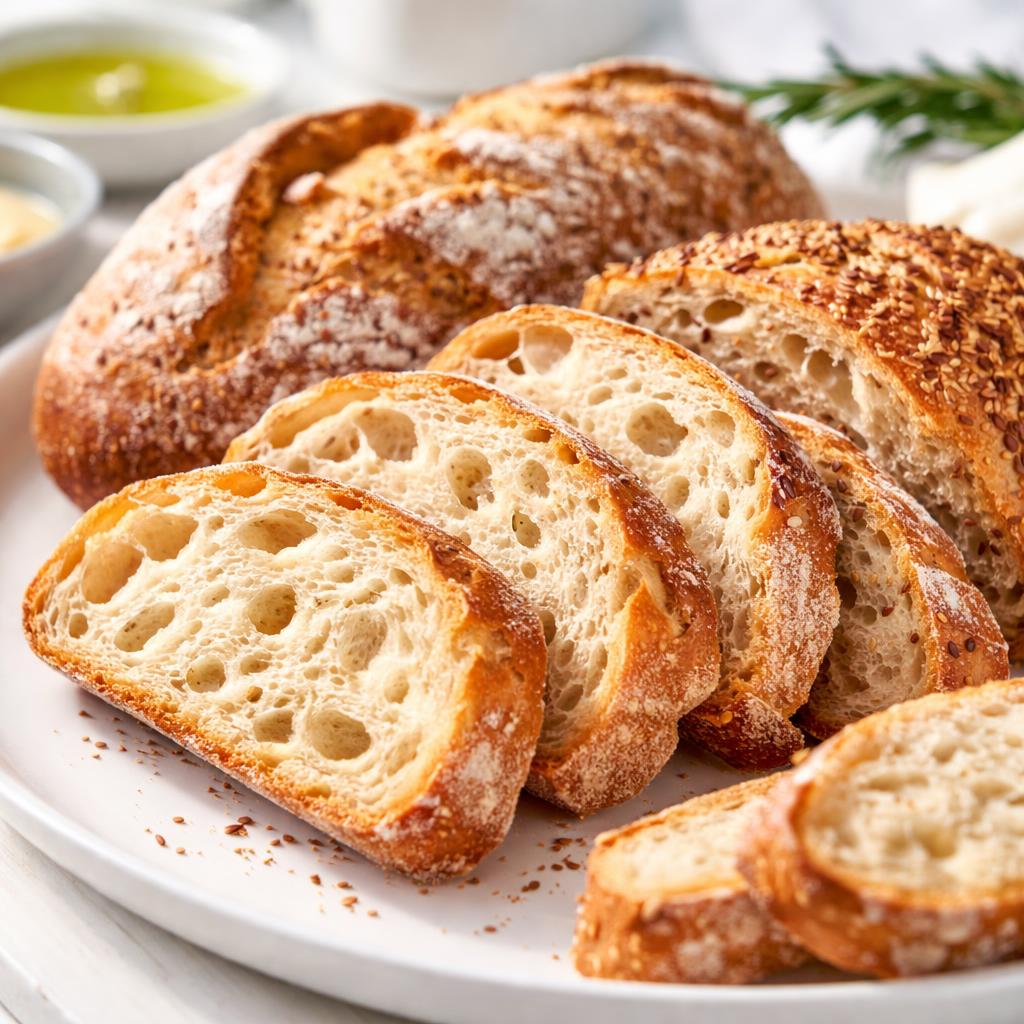
Bread
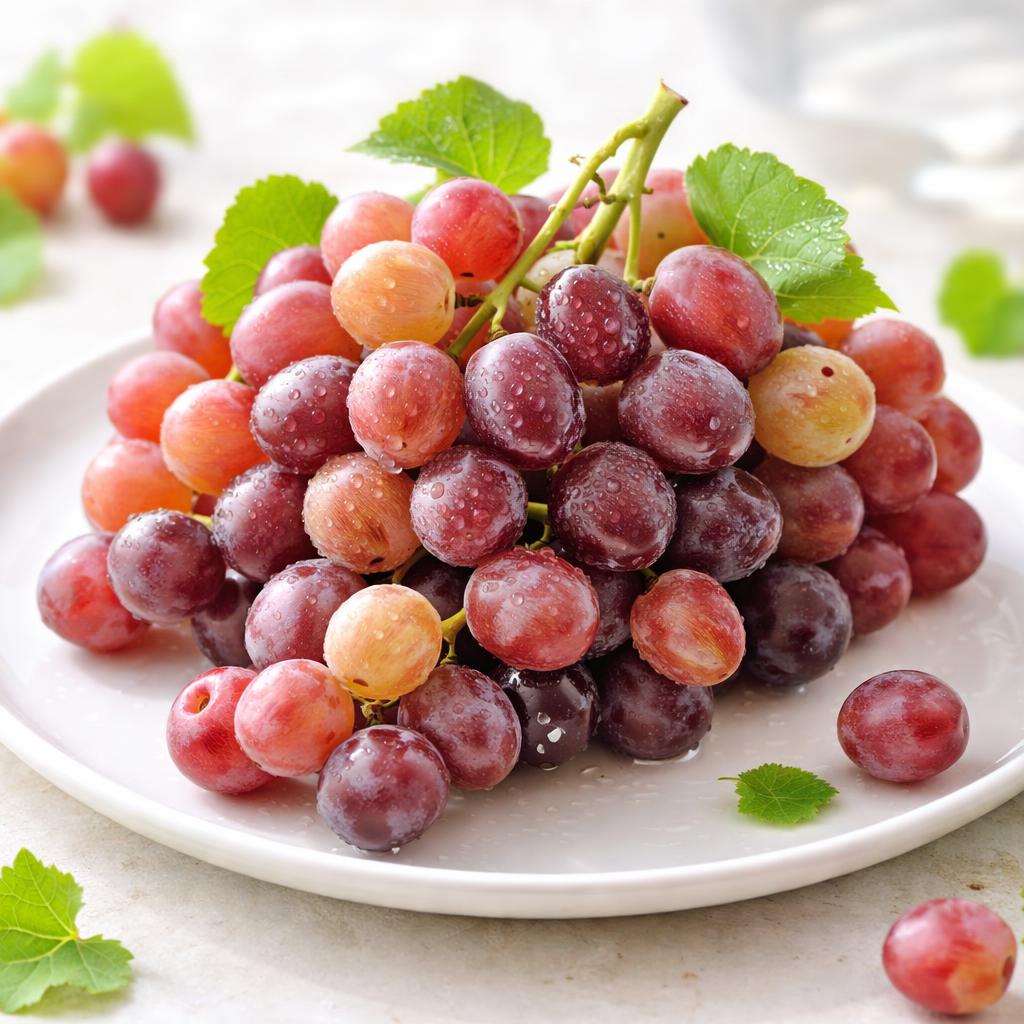
Grape
🎯 Quick Verdict
Bread is richer in protein and fiber compared to grapes but contains more calories and carbs. Grapes offer fewer calories, are hydrating, and supply antioxidants like vitamin C. Bread is ideal as a staple or energy source; grapes are excellent for quick, nutrient-dense snacks or hydration.

Smart Nutrition Tracking with SnapCalorie

📊 Nutritional Comparison
Macronutrients
| Nutrient | Food 1 | Food 2 | Winner |
|---|---|---|---|
| Calories | 80 per slice (28g) | 69 per 100g | ✓ |
| Protein | 2.7g | 0.7g | ✓ |
| Carbs | 15g | 18g | − |
| Fat | 1g | 0.4g | ✓ |
| Fiber | 1g | 0.9g | ✓ |
Vitamins & Minerals
| Nutrient | Food 1 | Food 2 | Winner |
|---|---|---|---|
| Vitamin C | 0mg | 4mg | ✓ |
| Vitamin D | 0mcg | 0mcg | − |
| Calcium | 24mg | 10mg | ✓ |
| Iron | 1.5mg | 0.3mg | ✓ |
🏆 Category Winners
Protein
Bread provides nearly 4x the protein content of grapes.
Fiber
Bread slightly edges out grapes with more dietary fiber per serving.
Calories
Grapes have lower calories, making them a better option for lighter snacking.
Vitamins
Grapes contain vitamin C, which bread does not provide.
🥗 Diet Compatibility
Keto
Food 1: Not Compatible
Food 2: Not Compatible
Both are high-carb foods unsuitable for a keto diet.
Vegan
Food 1: Compatible
Food 2: Compatible
Both foods are plant-based.
Gluten Free
Food 1: Not Compatible
Food 2: Compatible
Bread typically contains gluten, while grapes are naturally gluten-free.
Paleo
Food 1: Not Compatible
Food 2: Compatible
Bread is manufactured and excluded from the paleo diet; grapes are paleo-friendly.
Low Carb
Food 1: Not Compatible
Food 2: Not Compatible
Both foods have moderate to high carbohydrate content.
💪 Health Benefits Comparison
Food 1 Benefits
- Provides energy from carbs for endurance activities
- Offers moderate protein for muscle repair
- Contains iron for healthy blood cell production
Food 2 Benefits
- Rich in antioxidants like vitamin C for immune health
- Low-calorie and hydrating for weight management
- Contains natural sugars for quick energy boosts
✅ The Bottom Line
Bread is a versatile choice for meals and energy demands, while grapes are lighter and suited for snacking, hydration, and antioxidant intake. Choose bread when you need a sustaining base or higher protein; opt for grapes when pursuing a light, nutrient-dense snack.
Choose Food 1 for: Energy-demanding activities, post-workout meals, high-protein needs
Choose Food 2 for: Snacks, hydration, antioxidant intake, low-calorie needs


