Bread VS Donut
A detailed nutritional comparison
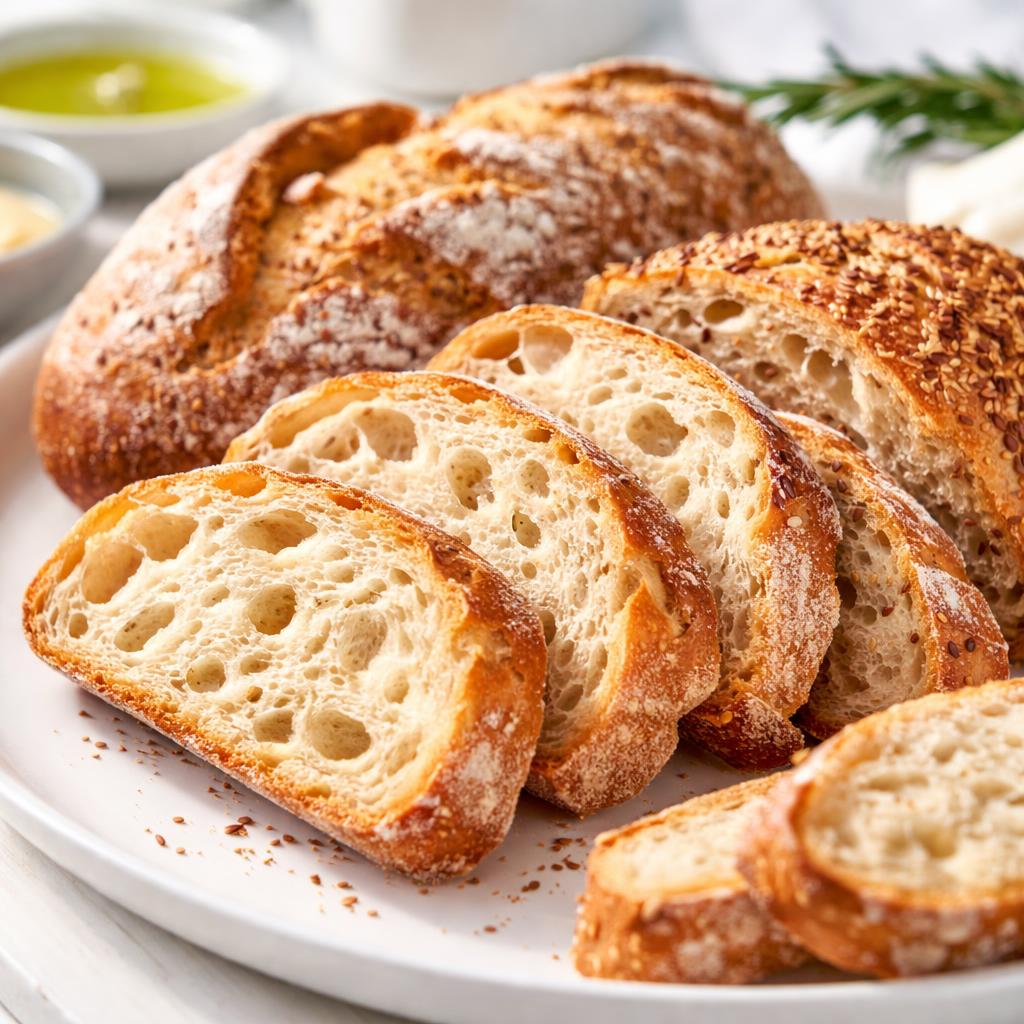
Bread
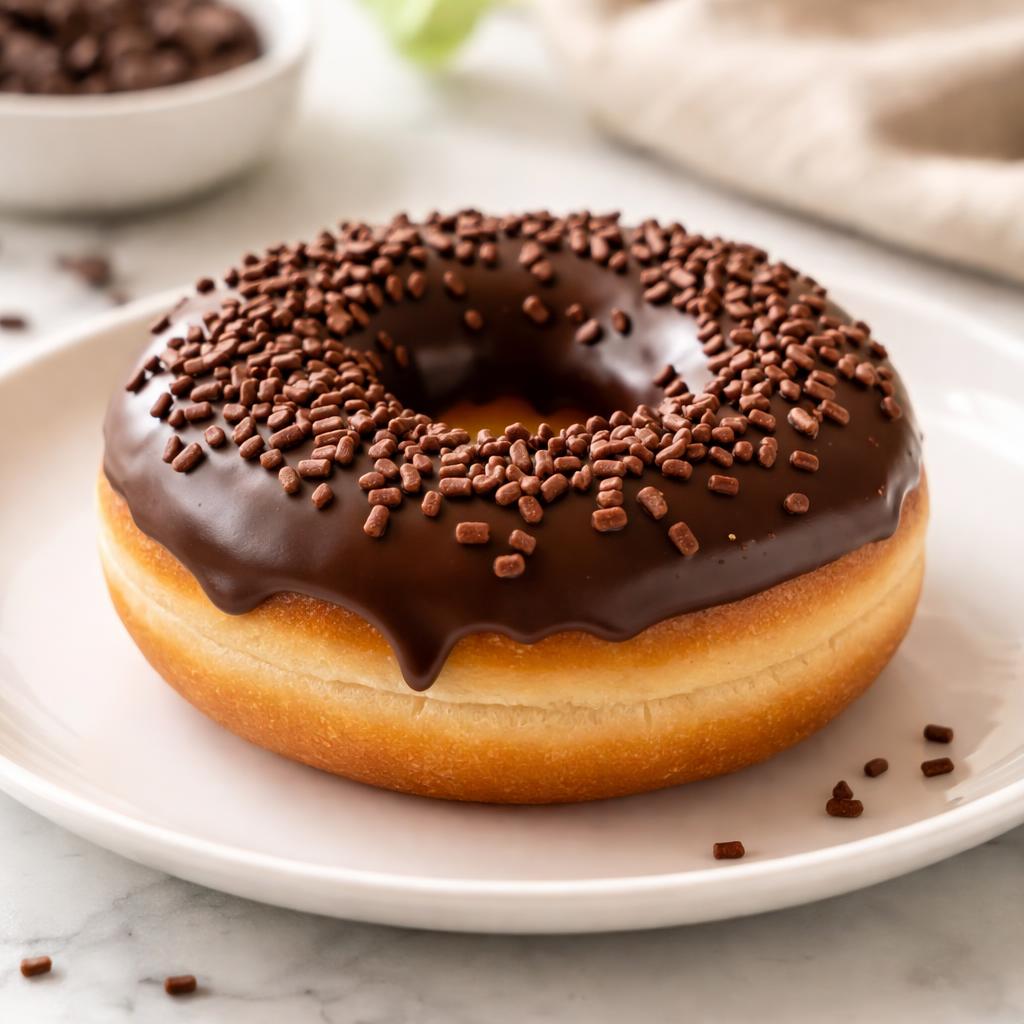
Donut
🎯 Quick Verdict
Bread is healthier overall with fewer calories, more protein, and significantly higher fiber content compared to donuts. Donuts are higher in sugar and fat, making them less ideal for regular consumption but suitable for occasional indulgence or energy boosts.

Smart Nutrition Tracking with SnapCalorie

📊 Nutritional Comparison
Macronutrients
| Nutrient | Food 1 | Food 2 | Winner |
|---|---|---|---|
| Calories | 80 per slice | 195 per donut | ✓ |
| Protein | 3.5g | 2g | ✓ |
| Carbs | 15g | 22g | ✓ |
| Fat | 1g | 11g | ✓ |
| Fiber | 1.5g | 0.3g | ✓ |
Vitamins & Minerals
| Nutrient | Food 1 | Food 2 | Winner |
|---|---|---|---|
| Vitamin D | 0.3mcg | 0.1mcg | ✓ |
| Calcium | 25mg | 10mg | ✓ |
| Iron | 0.9mg | 0.5mg | ✓ |
🏆 Category Winners
Protein
Bread has 75% more protein per serving than donuts.
Fiber
Bread contains significantly more fiber, which benefits digestion.
Calories
Bread has 60% fewer calories per serving compared to donuts.
🥗 Diet Compatibility
Keto
Food 1: Not Compatible
Food 2: Not Compatible
Both are high in carbohydrates.
Vegan
Food 1: Compatible
Food 2: Compatible
Both are typically plant-based unless non-vegan ingredients are added.
Gluten Free
Food 1: Not Compatible
Food 2: Not Compatible
Both contain gluten unless made with gluten-free flour.
Paleo
Food 1: Not Compatible
Food 2: Not Compatible
Both are processed and do not align with paleo principles.
Low-Carb
Food 1: Not Compatible
Food 2: Not Compatible
Both foods are primarily carbohydrate-based.
💪 Health Benefits Comparison
Food 1 Benefits
- Provides sustained energy due to complex carbs
- Good source of protein for muscle maintenance
- Contains fiber for digestive health
Food 2 Benefits
- Offers a quick energy boost due to simple sugars
- Provides fats that may help with satiety
- Can be a source of enjoyment and mental pleasure
✅ The Bottom Line
Choose bread for daily use as a versatile, nutrient-dense option suitable for energy and meal bases. Opt for donuts occasionally as a treat but be mindful of their high sugar and fat content.
Choose Food 1 for: Daily consumption, breakfast toast, sandwich bases, pre-workout snacks
Choose Food 2 for: Occasional indulgence, dessert, high-energy needs


