Bread VS Dahi
A detailed nutritional comparison
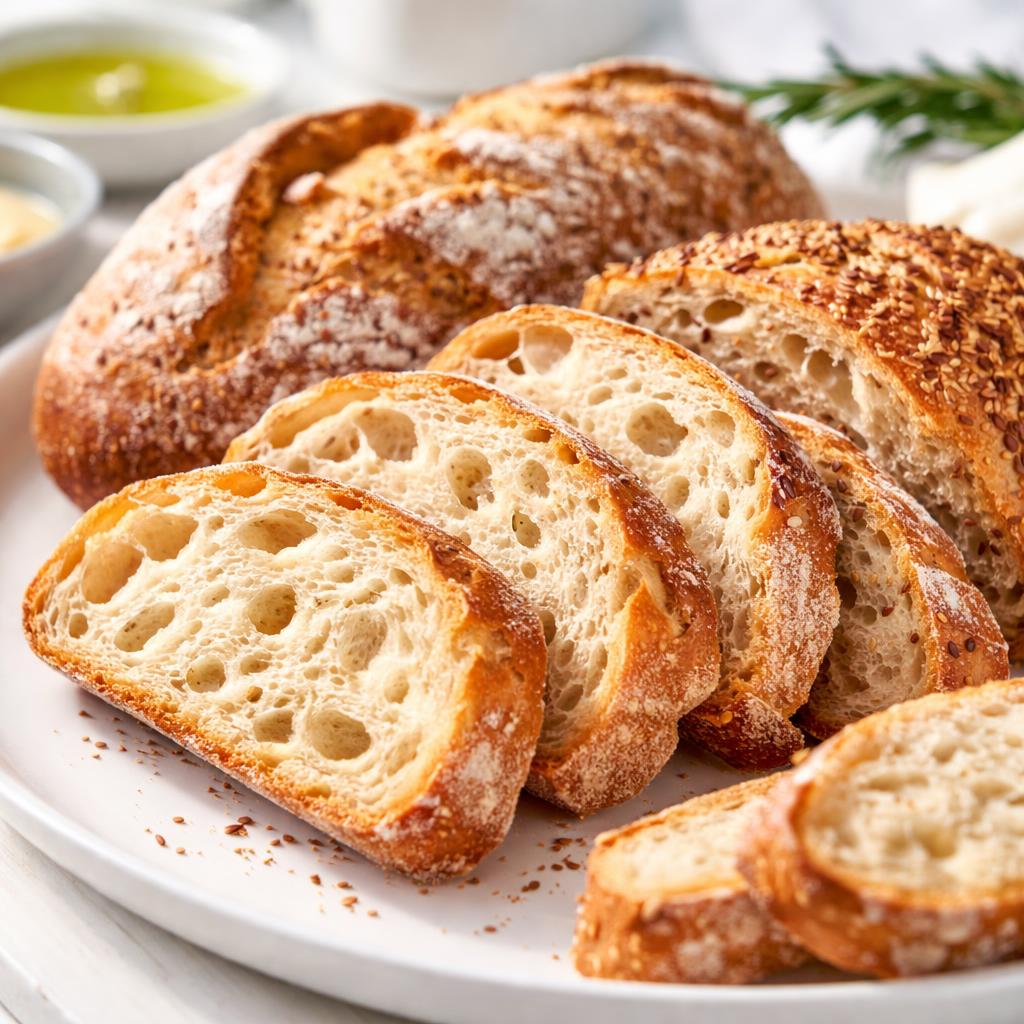
Bread
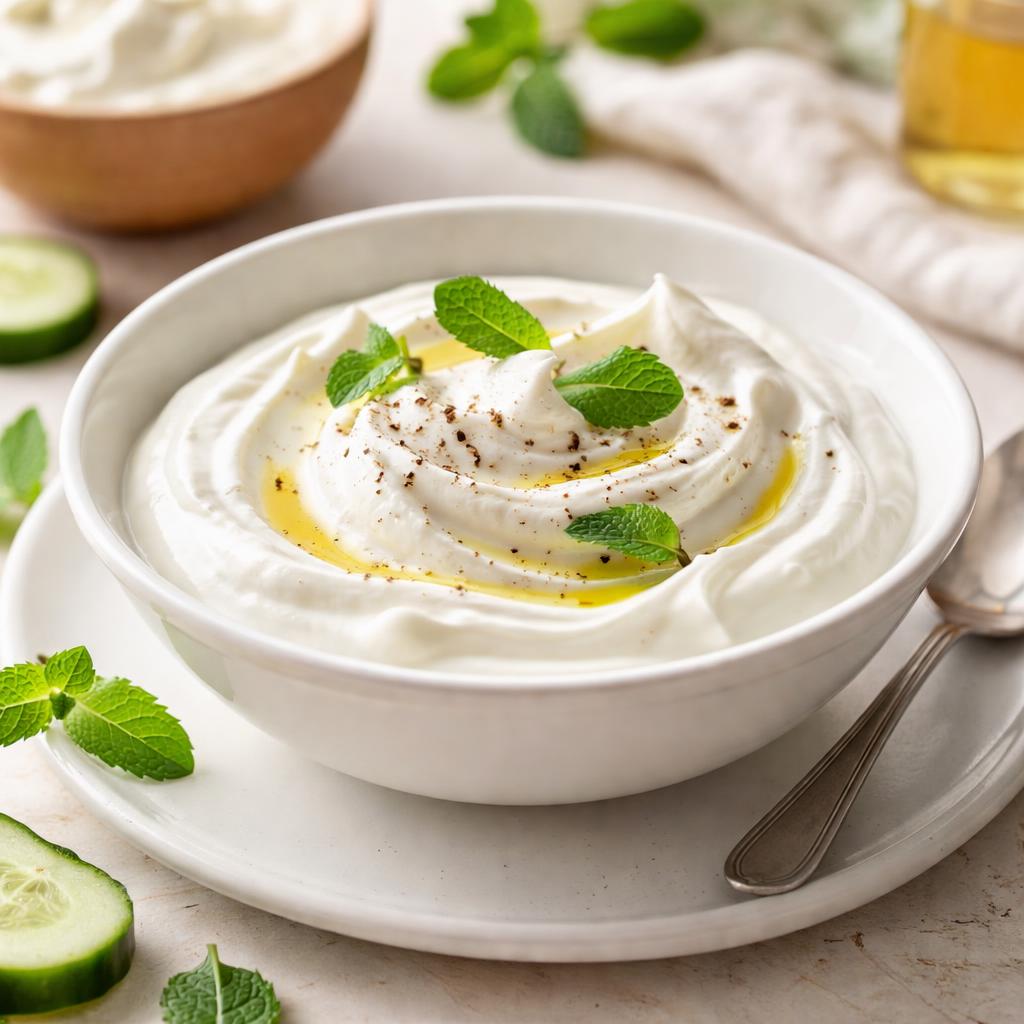
Dahi
🎯 Quick Verdict
Bread is a high-carb food with notable fiber content, making it beneficial for energy and digestion, whereas dahi (yogurt) is low in carbs but rich in protein and probiotics, supporting muscle repair and gut health. Bread is better for quick energy needs, while dahi suits high-protein, low-calorie diets and gut health improvement.

Smart Nutrition Tracking with SnapCalorie

📊 Nutritional Comparison
Macronutrients
| Nutrient | Food 1 | Food 2 | Winner |
|---|---|---|---|
| Calories | 265 | 60 | ✓ |
| Protein | 8.1g | 10g | ✓ |
| Carbs | 49g | 3.4g | ✓ |
| Fat | 3.2g | 1.5g | ✓ |
| Fiber | 2.4g | 0g | ✓ |
Vitamins & Minerals
| Nutrient | Food 1 | Food 2 | Winner |
|---|---|---|---|
| Vitamin D | 0mcg | 0.9mcg | ✓ |
| Calcium | 27mg | 120mg | ✓ |
| Iron | 3.6mg | 0.1mg | ✓ |
🏆 Category Winners
Protein
Dahi (food2) has 23% more protein per serving compared to bread.
Fiber
Bread provides 2.4g fiber per serving while dahi contains none.
Calories
Dahi has significantly fewer calories (60 vs 265 per serving).
🥗 Diet Compatibility
Keto
Food 1: Not Compatible
Food 2: Compatible
Dahi is low-carb (3.4g), while bread is high-carb (49g).
Vegan
Food 1: Compatible
Food 2: Not Compatible
Bread is plant-based, while dahi is dairy-based.
Gluten Free
Food 1: Not Compatible
Food 2: Compatible
Bread contains gluten, but dahi is naturally gluten-free.
Paleo
Food 1: Not Compatible
Food 2: Compatible
Dahi fits paleo diets, but bread does not due to grains.
Low Carb
Food 1: Not Compatible
Food 2: Compatible
Dahi is low-carb, while bread has high carbohydrate content.
💪 Health Benefits Comparison
Food 1 Benefits
- Provides energy due to high carbohydrate content
- Rich in fiber which supports digestive health
- Contains iron for improved oxygen transport in the body
Food 2 Benefits
- Rich in protein for muscle repair and maintenance
- Contains probiotics that promote gut health
- Provides calcium for bone strength
✅ The Bottom Line
Bread is a better option for satisfying energy needs and provides fiber for digestive health, making it suitable as a quick breakfast or snack. Dahi, on the other hand, is lower in calories and carbs, richer in protein, probiotics, and calcium, making it ideal for muscle repair, low-carb diets, and supporting gut health.
Choose Food 1 for: Energy boost, fiber enrichment, quick meals
Choose Food 2 for: Low-carb diets, gut health, muscle repair


