Bread Rolls VS Light Bread
A detailed nutritional comparison

Bread Rolls
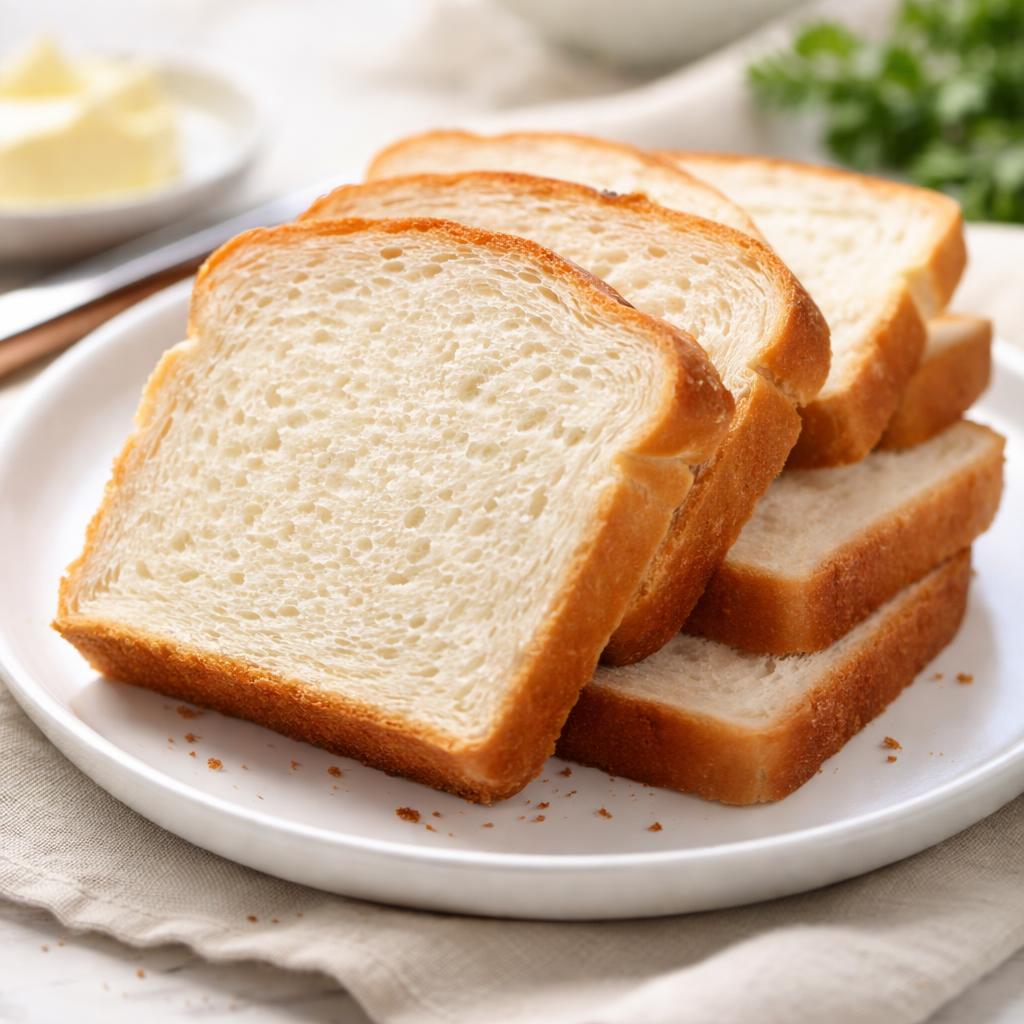
Light Bread
🎯 Quick Verdict
Light bread is the healthier alternative overall, offering fewer calories, more protein, and fiber compared to traditional bread rolls. Bread rolls are higher in calories and lower in nutritional density, making them less suitable for weight management or high-protein goals. Light bread is ideal for those seeking a lighter option while maintaining nutrient intake.

Smart Nutrition Tracking with SnapCalorie

📊 Nutritional Comparison
Macronutrients
| Nutrient | Food 1 | Food 2 | Winner |
|---|---|---|---|
| Calories | 250 | 70 | ✓ |
| Protein | 7g | 5g | ✓ |
| Carbs | 47g | 14g | ✓ |
| Fat | 3g | 1g | ✓ |
| Fiber | 2g | 3g | ✓ |
Vitamins & Minerals
| Nutrient | Food 1 | Food 2 | Winner |
|---|---|---|---|
| Vitamin B6 | 0.1mg | 0.2mg | ✓ |
| Calcium | 22mg | 30mg | ✓ |
| Iron | 1.2mg | 1.5mg | ✓ |
🏆 Category Winners
Protein
Bread rolls have a slight edge in protein content per serving.
Fiber
Light bread contains 50% more fiber per serving.
Calories
Light bread has significantly fewer calories, offering a better choice for weight management.
🥗 Diet Compatibility
Keto
Food 1: Not Compatible
Food 2: Not Compatible
Both are high-carb and unsuitable for ketogenic diets.
Vegan
Food 1: Compatible
Food 2: Compatible
Both are free of animal products.
Gluten Free
Food 1: Not Compatible
Food 2: Not Compatible
Both contain gluten from wheat flour.
Paleo
Food 1: Not Compatible
Food 2: Not Compatible
Grain-based foods do not adhere to paleo guidelines.
Low-Carb
Food 1: Not Compatible
Food 2: Partially Compatible
Light bread has less carbohydrates but is still not suited for strict low-carb diets.
💪 Health Benefits Comparison
Food 1 Benefits
- Contains moderate protein for everyday energy needs
- Provides carbohydrates for quick energy sources
- Low in fat compared to other baked goods
Food 2 Benefits
- Low-calorie option for weight management
- Higher fiber for improved gut health
- Slightly higher micronutrient density for added health benefits
✅ The Bottom Line
Light bread is overall the better choice for weight management, higher fiber intake, and fewer calories. Bread rolls are slightly more protein-rich but higher in calories and carbs, making them less suitable for those on calorie-restricted or low-carb diets.
Choose Food 1 for: Quick energy boosts, moderate protein intake, traditional meals
Choose Food 2 for: Weight loss, reduced calorie meals, gut health


