Bread Roll VS Uncooked Rice
A detailed nutritional comparison
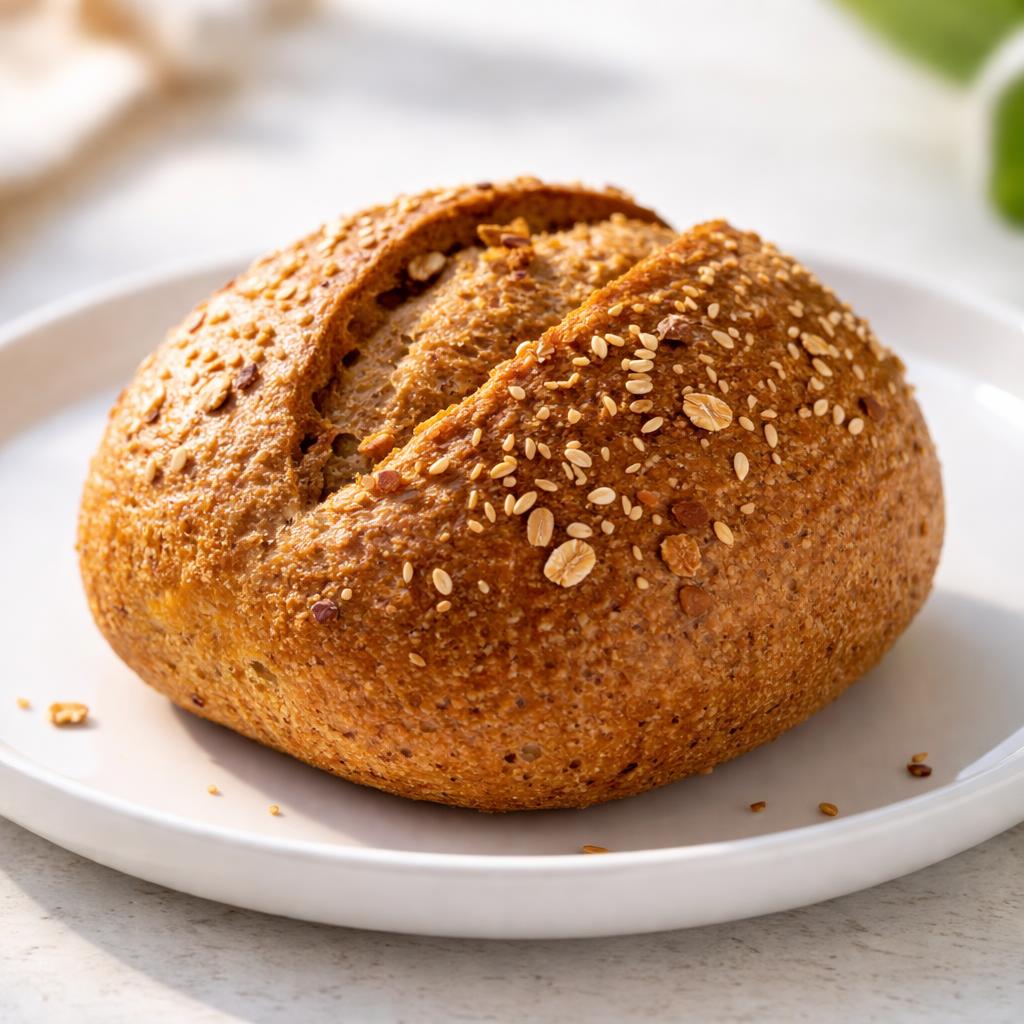
Bread Roll
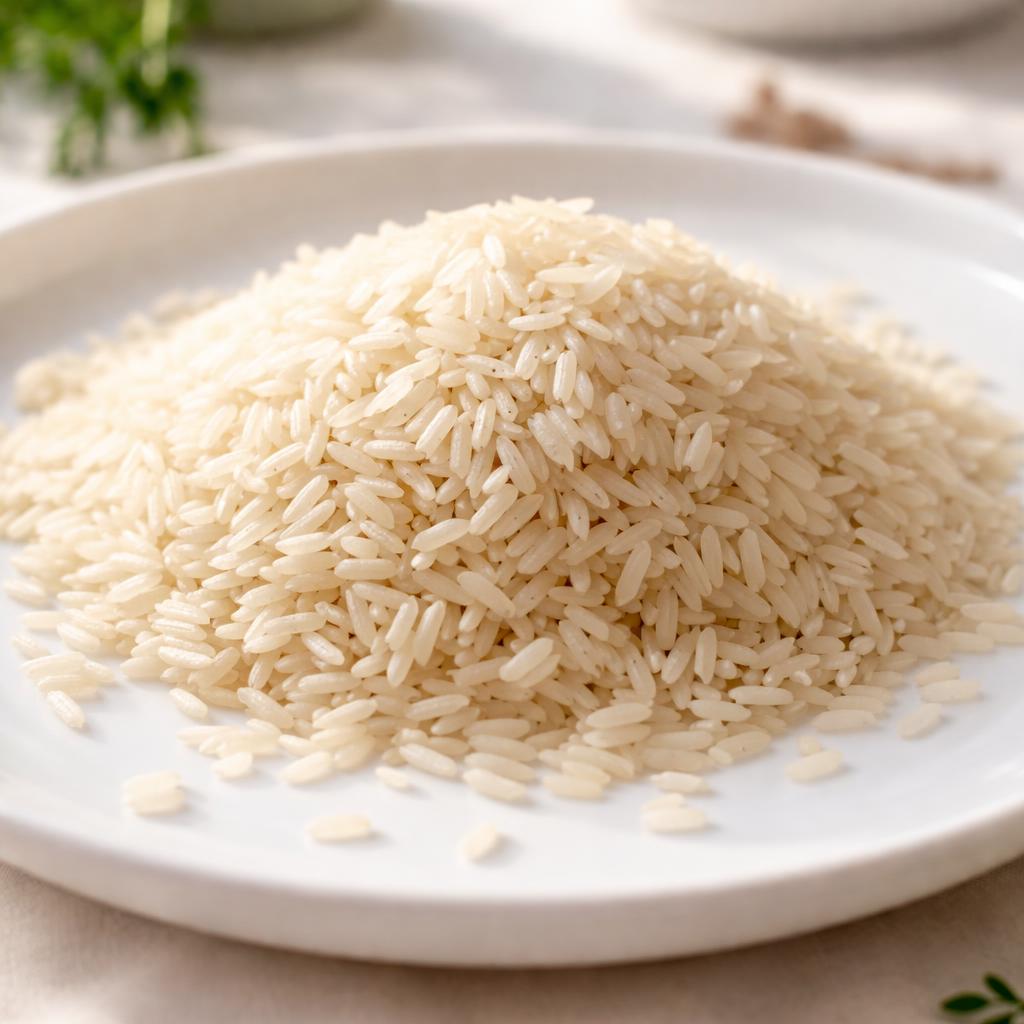
Uncooked Rice
🎯 Quick Verdict
Bread rolls and uncooked rice differ significantly in nutritional composition. Bread rolls offer slightly more protein and fiber, making them better for digestive health and satiety, while uncooked rice is calorie-dense and ideal for energy needs or bulking diets. Use bread rolls for quick meals or snacks and uncooked rice for versatile carbohydrate sources in main dishes.

Smart Nutrition Tracking with SnapCalorie

📊 Nutritional Comparison
Macronutrients
| Nutrient | Food 1 | Food 2 | Winner |
|---|---|---|---|
| Calories | 150 | 130 | ✓ |
| Protein | 5g | 2.5g | ✓ |
| Carbs | 28g | 28g | − |
| Fat | 1.5g | 0.5g | ✓ |
| Fiber | 2g | 0.6g | ✓ |
Vitamins & Minerals
| Nutrient | Food 1 | Food 2 | Winner |
|---|---|---|---|
| Vitamin D | 0mcg | 0mcg | − |
| Calcium | 50mg | 10mg | ✓ |
| Iron | 1.2mg | 0.2mg | ✓ |
🏆 Category Winners
Protein
Bread rolls have 100% more protein per serving.
Fiber
Bread rolls provide over 3x more fiber for digestive health.
Calories
Uncooked rice has 13% fewer calories per serving.
Vitamins
Bread rolls are higher in calcium and iron for bone support and oxygen transport.
🥗 Diet Compatibility
Keto
Food 1: Not Compatible
Food 2: Not Compatible
Both are high in carbohydrates.
Vegan
Food 1: Compatible
Food 2: Compatible
Both are plant-based and suitable for vegan diets.
Gluten Free
Food 1: Not Compatible
Food 2: Compatible
Bread rolls contain gluten unless specifically made gluten-free.
Paleo
Food 1: Not Compatible
Food 2: Not Compatible
Neither bread rolls nor rice are considered paleo-friendly.
Low-Carb
Food 1: Not Compatible
Food 2: Not Compatible
Both foods are high in carbohydrates.
💪 Health Benefits Comparison
Food 1 Benefits
- Higher protein content supports muscle repair and maintenance.
- Good source of dietary fiber for digestive health.
- Contains calcium for strong bones and teeth.
Food 2 Benefits
- Low-fat energy source for long-lasting stamina.
- Gluten-free option suitable for people with sensitivity.
- Rich in carbohydrates, ideal for athletes or energy-intensive diets.
✅ The Bottom Line
Bread rolls are a better choice for a quick, balanced snack offering more protein, fiber, and minerals. However, uncooked rice is superior for those needing a versatile, calorie-efficient carbohydrate source. Choose bread rolls for satiety and snacks, and opt for rice in energy-focused meals or dietary bulking.
Choose Food 1 for: Quick meals, digestive health, moderate-protein diets
Choose Food 2 for: Energy-dense diets, gluten-free needs, carbohydrate-focused meals


