Bread Roll VS Turkish Bread
A detailed nutritional comparison
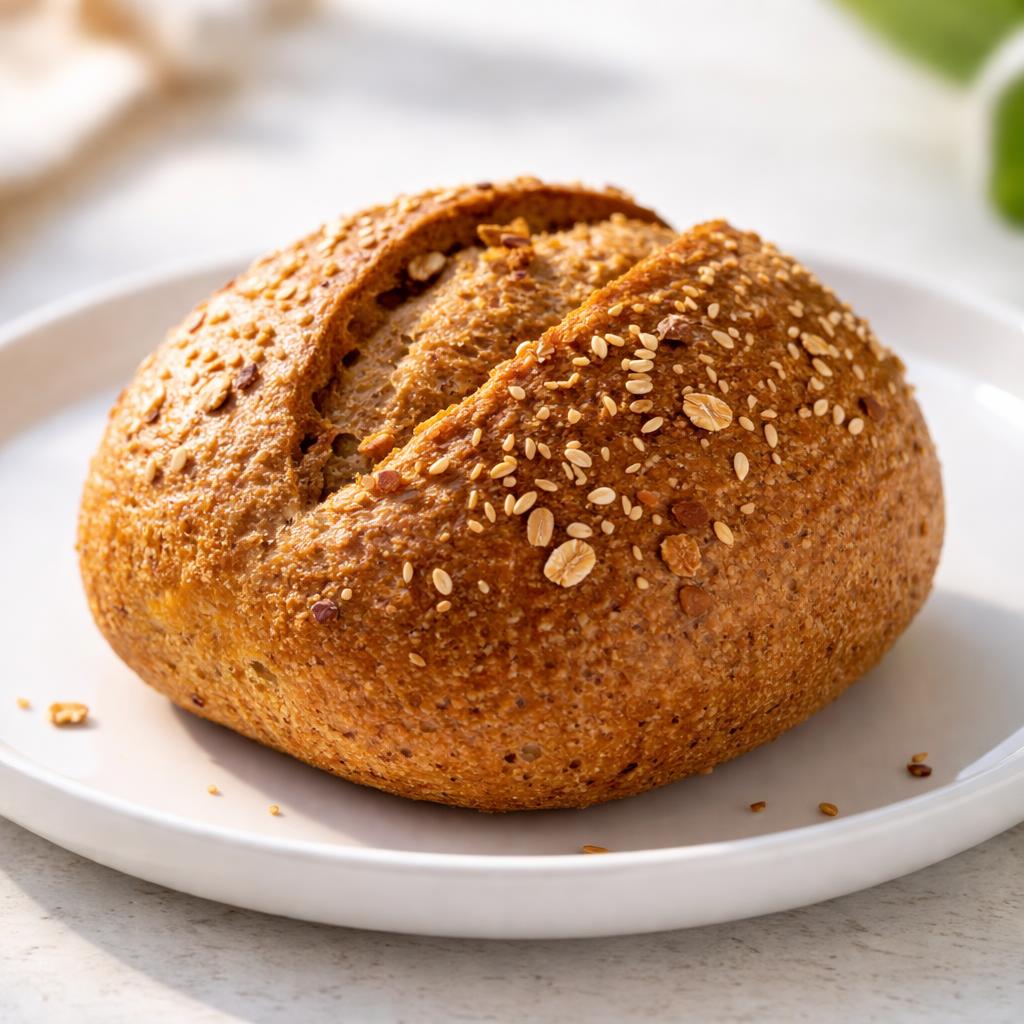
Bread Roll
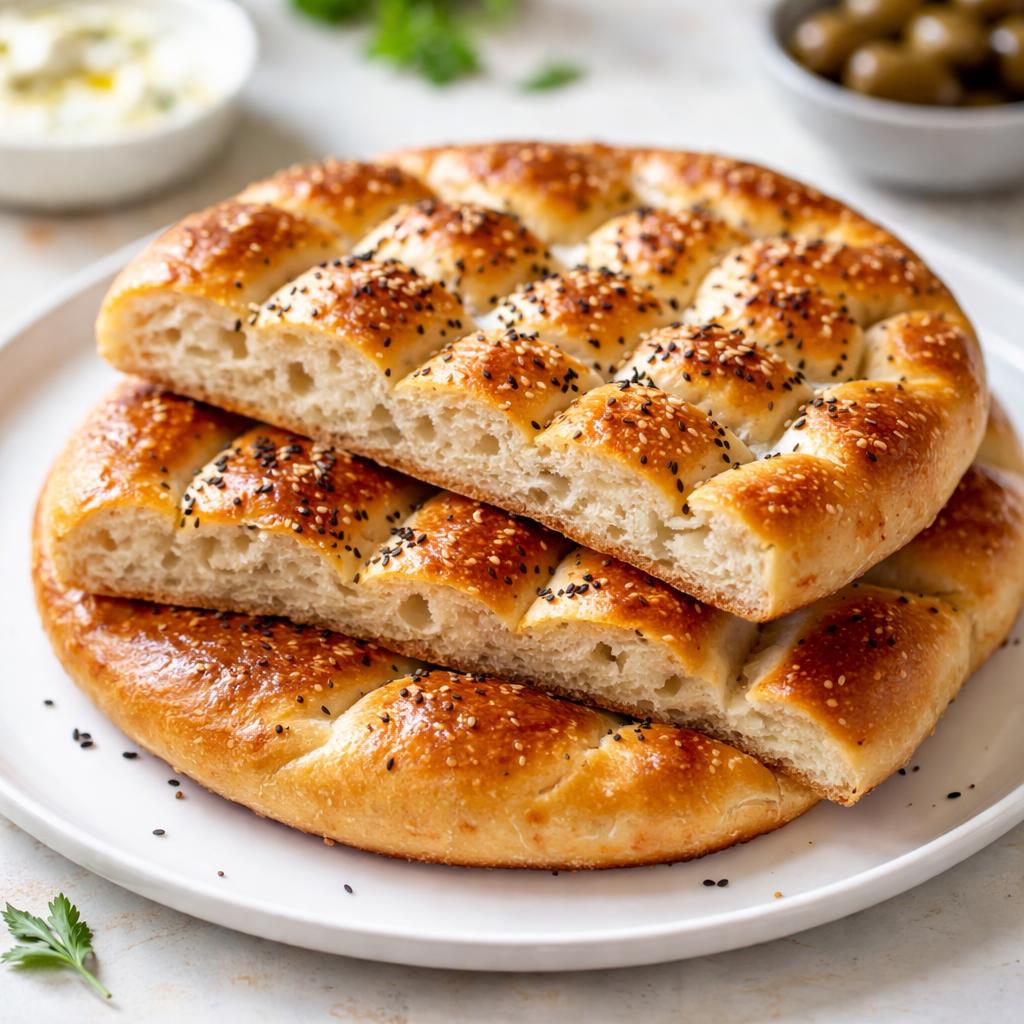
Turkish Bread
🎯 Quick Verdict
Turkish bread generally contains more protein per serving compared to bread rolls, making it advantageous for those seeking muscle maintenance or higher satiety. Bread rolls are lower in calories, making them a better option for calorie-conscious diets. Both options are relatively similar in fiber content and are versatile for various uses like sandwiches and snacks.

Smart Nutrition Tracking with SnapCalorie

📊 Nutritional Comparison
Macronutrients
| Nutrient | Food 1 | Food 2 | Winner |
|---|---|---|---|
| Calories | 149 kcal (per 50g roll) | 184 kcal (per 50g slice) | − |
| Protein | 5g | 8g | − |
| Carbs | 28g | 32g | − |
| Fat | 1g | 3g | − |
| Fiber | 1.6g | 1.8g | − |
Vitamins & Minerals
| Nutrient | Food 1 | Food 2 | Winner |
|---|---|---|---|
| Vitamin D | 0mcg | 0mcg | − |
| Calcium | 50mg | 70mg | − |
| Iron | 2mg | 2.2mg | − |
🏆 Category Winners
Protein
Turkish bread contains 60% more protein per serving.
Fiber
Both foods have similar fiber content with less than 0.5g difference.
Calories
Bread rolls are about 19% lower in calories per serving.
Vitamins
Turkish bread provides higher levels of calcium and iron.
🥗 Diet Compatibility
Keto
Food 1: Not Compatible
Food 2: Not Compatible
Both foods are high in carbs (28-32g per serving).
Vegan
Food 1: Compatible
Food 2: Compatible
Neither product contains animal-derived ingredients.
Gluten Free
Food 1: Not Compatible
Food 2: Not Compatible
Both foods are wheat-based and contain gluten.
Paleo
Food 1: Not Compatible
Food 2: Not Compatible
Neither fit paleo standards due to their grain base.
Low-Carb
Food 1: Not Compatible
Food 2: Not Compatible
Both are high in carbohydrates, exceeding low-carb thresholds.
💪 Health Benefits Comparison
Food 1 Benefits
- Low in calories for weight management
- Provides quick energy due to high carbohydrate content
- Contains moderate iron for red blood cell production
- Convenient portion size for controlled servings
Food 2 Benefits
- High in protein for muscle maintenance
- Contains extra calcium for stronger bones
- Rich in iron for improved oxygen transport in the body
- More substantial, promoting longer-lasting satiety
✅ The Bottom Line
Bread rolls are better for those focused on reducing calorie intake or pursuing weight loss goals. Turkish bread stands out with its higher protein, calcium, and iron, making it a better option for active individuals or those prioritizing nutrient density. Depending on serving needs and dietary preferences, either can be included as part of a balanced diet.
Choose Food 1 for: Calorie-conscious diets, quick snacks, portion control
Choose Food 2 for: Muscle maintenance, nutrient density, filling meals


