Bread Roll VS Sourdough Bread
A detailed nutritional comparison
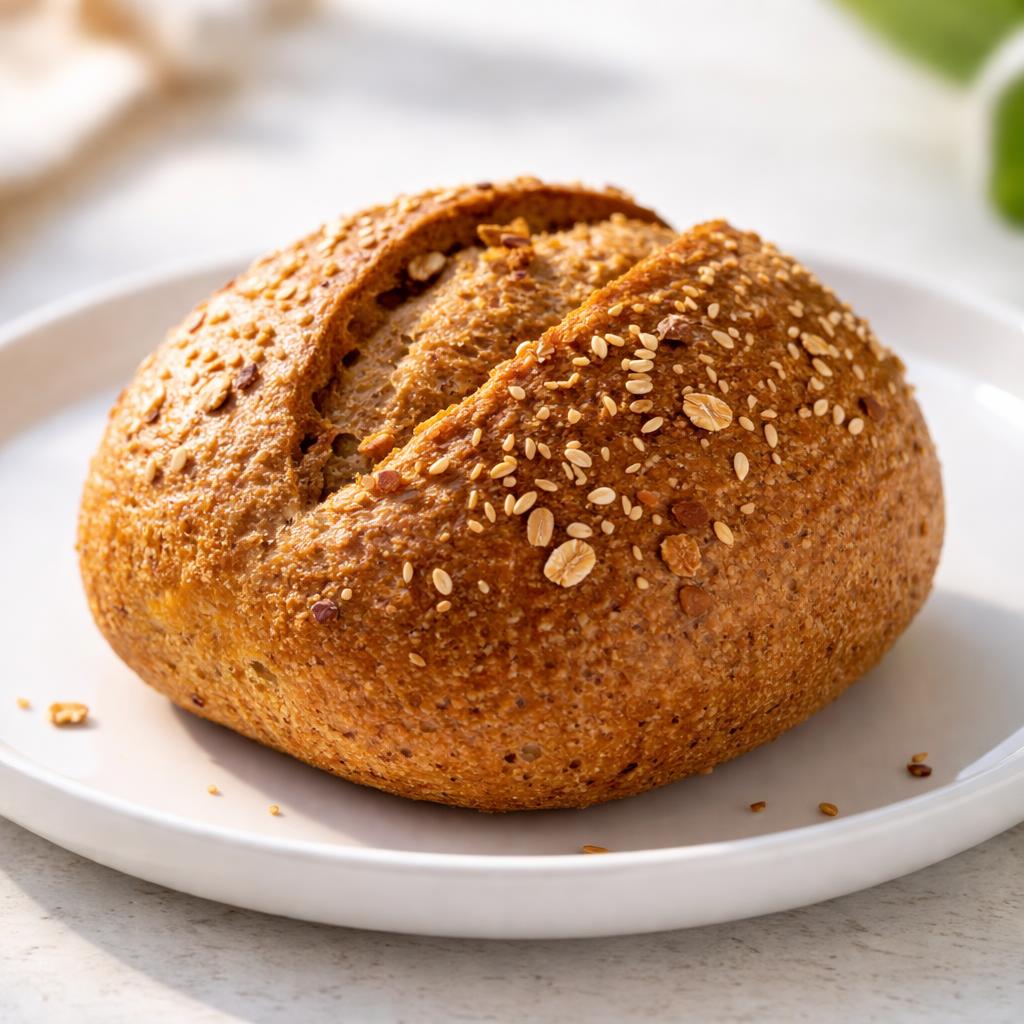
Bread Roll
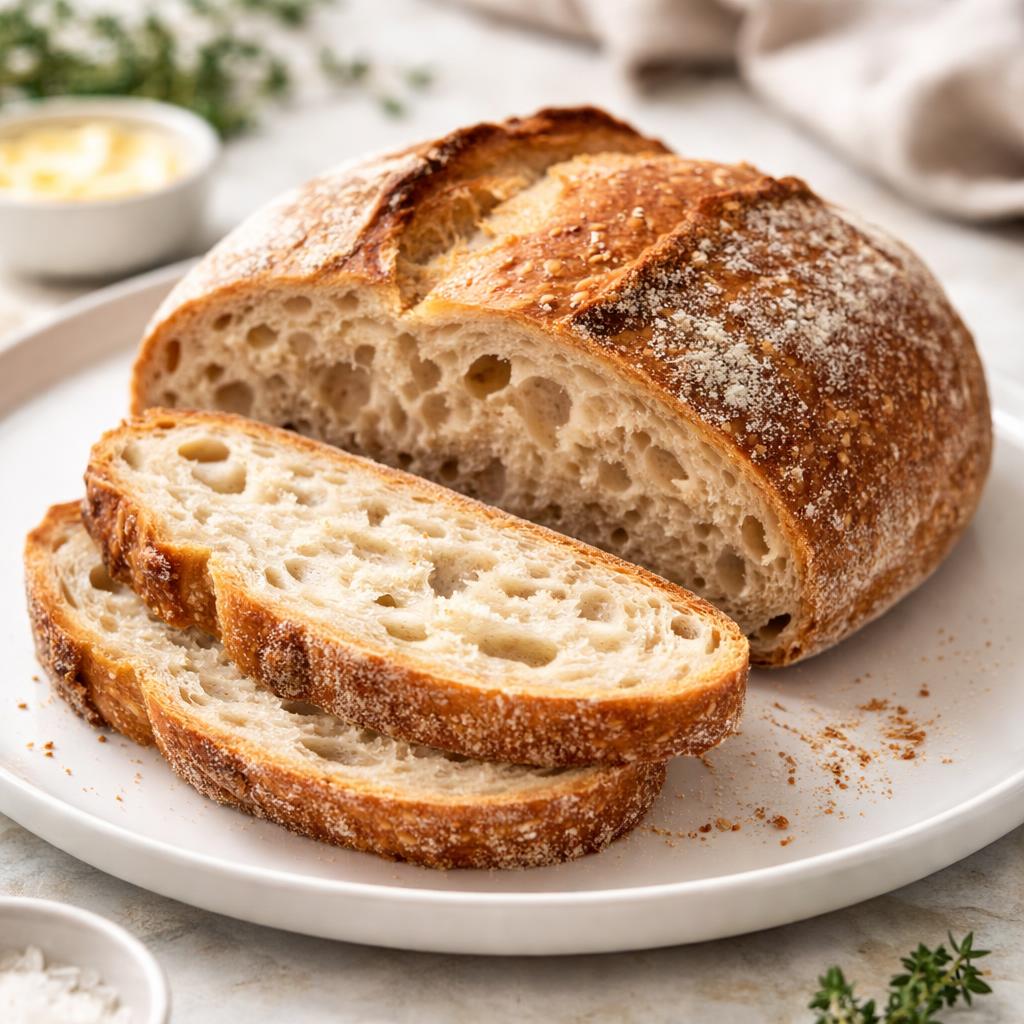
Sourdough Bread
🎯 Quick Verdict
Sourdough bread offers slightly fewer calories, more fiber, and additional micronutrients compared to a standard bread roll. Bread rolls are higher in carbohydrates and provide a more neutral flavor, making them versatile for various meals, while sourdough bread has gut-friendly properties due to fermentation. Choose sourdough for its health benefits and bread rolls for convenience and versatility.

Smart Nutrition Tracking with SnapCalorie

📊 Nutritional Comparison
Macronutrients
| Nutrient | Food 1 | Food 2 | Winner |
|---|---|---|---|
| Calories | 230 | 185 | ✓ |
| Protein | 8g | 8g | − |
| Carbs | 40g | 34g | ✓ |
| Fat | 3g | 2g | ✓ |
| Fiber | 2g | 3g | ✓ |
Vitamins & Minerals
| Nutrient | Food 1 | Food 2 | Winner |
|---|---|---|---|
| Vitamin B12 | 0mcg | 0mcg | − |
| Iron | 1mg | 2mg | ✓ |
| Magnesium | 20mg | 25mg | ✓ |
| Potassium | 80mg | 100mg | ✓ |
🏆 Category Winners
Protein
Both provide 8g of protein per serving.
Fiber
Sourdough bread offers 50% more fiber, supporting digestion.
Calories
Sourdough bread is lower in calories by approximately 20%.
Vitamins
Sourdough bread has slightly more iron, magnesium, and potassium.
🥗 Diet Compatibility
Keto
Food 1: Not Compatible
Food 2: Not Compatible
Both are high-carb foods unsuitable for keto diets.
Vegan
Food 1: Compatible
Food 2: Compatible
Neither contains animal-derived ingredients.
Gluten Free
Food 1: Not Compatible
Food 2: Not Compatible
Both are wheat-based foods containing gluten.
Paleo
Food 1: Not Compatible
Food 2: Not Compatible
Paleo diets exclude grain-based foods.
Low Carb
Food 1: Not Compatible
Food 2: Not Compatible
Both are high-carb and unsuitable for low-carb diets.
💪 Health Benefits Comparison
Food 1 Benefits
- Quick energy from carbohydrates
- Neutral flavor, versatile in meals
- Contains protein for muscle maintenance
Food 2 Benefits
- Improved digestion due to fermentation process
- Higher fiber content for gut health
- Rich in minerals like iron and potassium for essential body function
✅ The Bottom Line
Choose sourdough bread for its lower calorie count, higher fiber content, and gut-friendly properties. Opt for bread rolls when convenience, quick energy, and versatility are priorities.
Choose Food 1 for: Convenience, energy boosts, pairing with spreads or hearty meals.
Choose Food 2 for: Digestive health, nutrient density, and lower calorie meals.


