Bread Roll VS Plain Rice
A detailed nutritional comparison
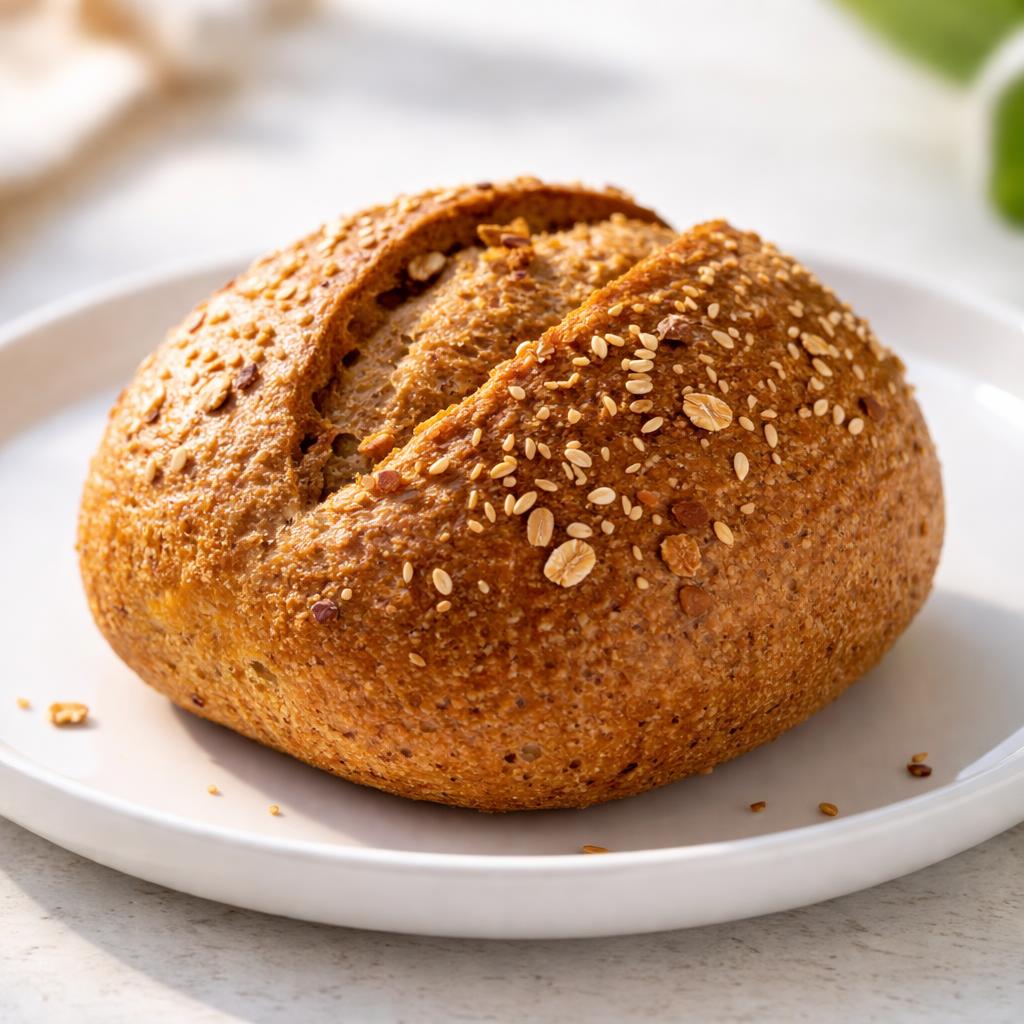
Bread Roll
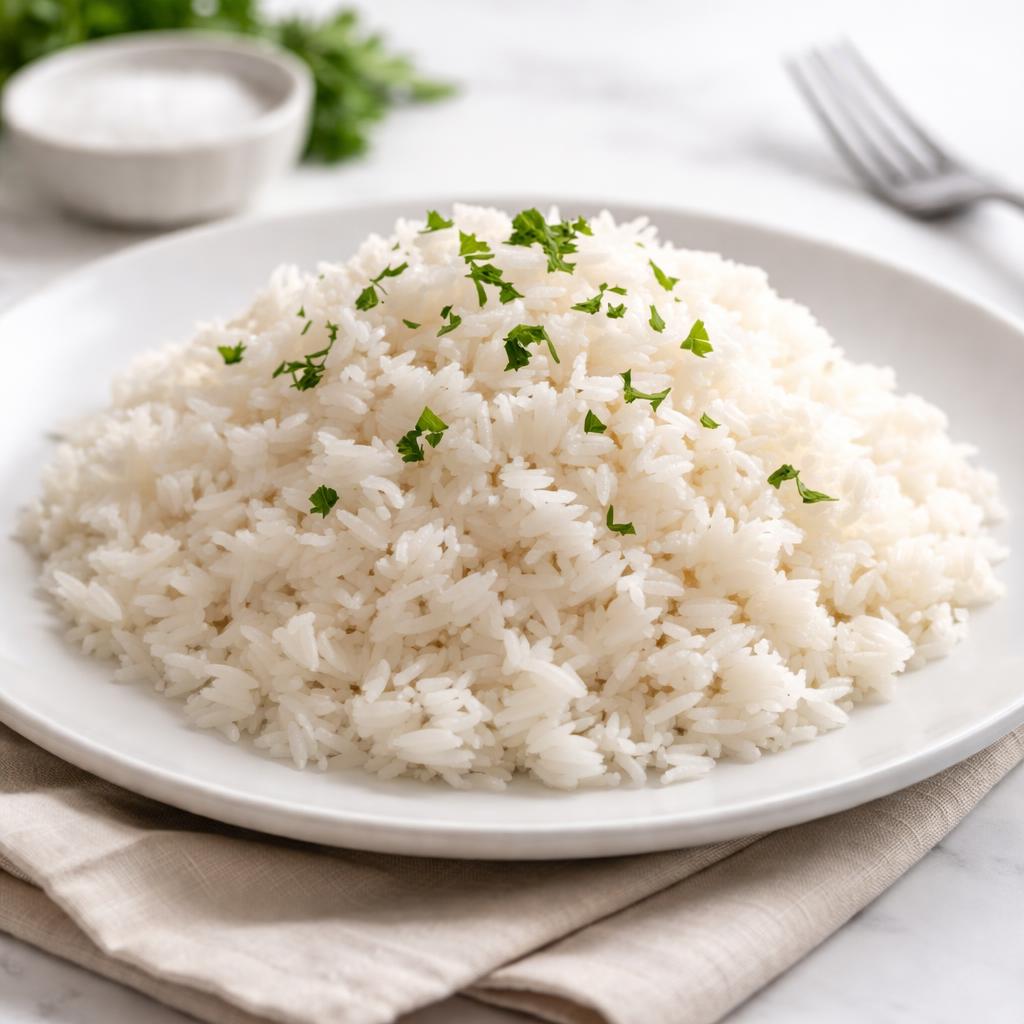
Plain Rice
🎯 Quick Verdict
Bread rolls are higher in protein, fiber, and certain vitamins, making them better for those seeking nutrient density and digestive support. On the other hand, plain rice is lower in calories and fat, and serves as a neutral, energy-providing option with fewer additional nutrients, ideal for energy-refueling or portion-sensitive diets.

Smart Nutrition Tracking with SnapCalorie

📊 Nutritional Comparison
Macronutrients
| Nutrient | Food 1 | Food 2 | Winner |
|---|---|---|---|
| Calories | 130 per roll (50g) | 105 per 100g plain cooked rice | ✓ |
| Protein | 4g | 2g | ✓ |
| Carbs | 25g | 24g | − |
| Fat | 1.5g | 0g | ✓ |
| Fiber | 2g | 0g | ✓ |
Vitamins & Minerals
| Nutrient | Food 1 | Food 2 | Winner |
|---|---|---|---|
| Vitamin B6 | 0.04mg | 0.05mg | ✓ |
| Thiamine (Vitamin B1) | 0.2mg | 0.02mg | ✓ |
| Calcium | 20mg | 3mg | ✓ |
| Iron | 1mg | 0.2mg | ✓ |
🏆 Category Winners
Protein
Bread rolls provide twice as much protein compared to plain rice.
Fiber
Bread rolls deliver significant fiber (2g vs 0g), aiding digestion.
Calories
Plain rice has approximately 20% fewer calories than bread rolls.
Vitamins
Bread rolls are higher in calcium, iron, and Vitamin B1, making them more nutrient-dense.
🥗 Diet Compatibility
Keto
Food 1: Not Compatible
Food 2: Not Compatible
Both foods are high in carbohydrates.
Vegan
Food 1: Compatible
Food 2: Compatible
Neither contains animal products.
Gluten Free
Food 1: Not Compatible
Food 2: Compatible
Bread rolls contain gluten, while plain rice is gluten-free.
Paleo
Food 1: Not Compatible
Food 2: Compatible
Bread rolls are processed, but plain rice is permitted in modified paleo diets.
Low Carb
Food 1: Not Compatible
Food 2: Not Compatible
Both foods are carb-heavy and unsuitable for low-carb diets.
💪 Health Benefits Comparison
Food 1 Benefits
- Rich in protein for tissue repair and muscle maintenance
- Provides dietary fiber for better digestion and gut health
- Contains calcium and iron for bone and blood health
- Higher in B vitamins (especially thiamine) to support energy metabolism
Food 2 Benefits
- Low in fat, making it heart-friendly and calorie-conscious
- Provides a slow-releasing carbohydrate source for sustained energy
- Naturally gluten-free, suitable for gluten-sensitive individuals
- Minimal processing for clean energy replenishment
✅ The Bottom Line
Choose bread rolls when you need a nutrient-dense option higher in protein, fiber, and key minerals, perfect for post-workout recovery or digestion support. Opt for plain rice if you prioritize lower calories, clean energy, or a gluten-free carbohydrate source.
Choose Food 1 for: Nutrient density, active lifestyles, digestion support
Choose Food 2 for: Low-fat energy refueling, gluten-free diets, portion-sensitive meals


