Bread Roll VS Couscous
A detailed nutritional comparison
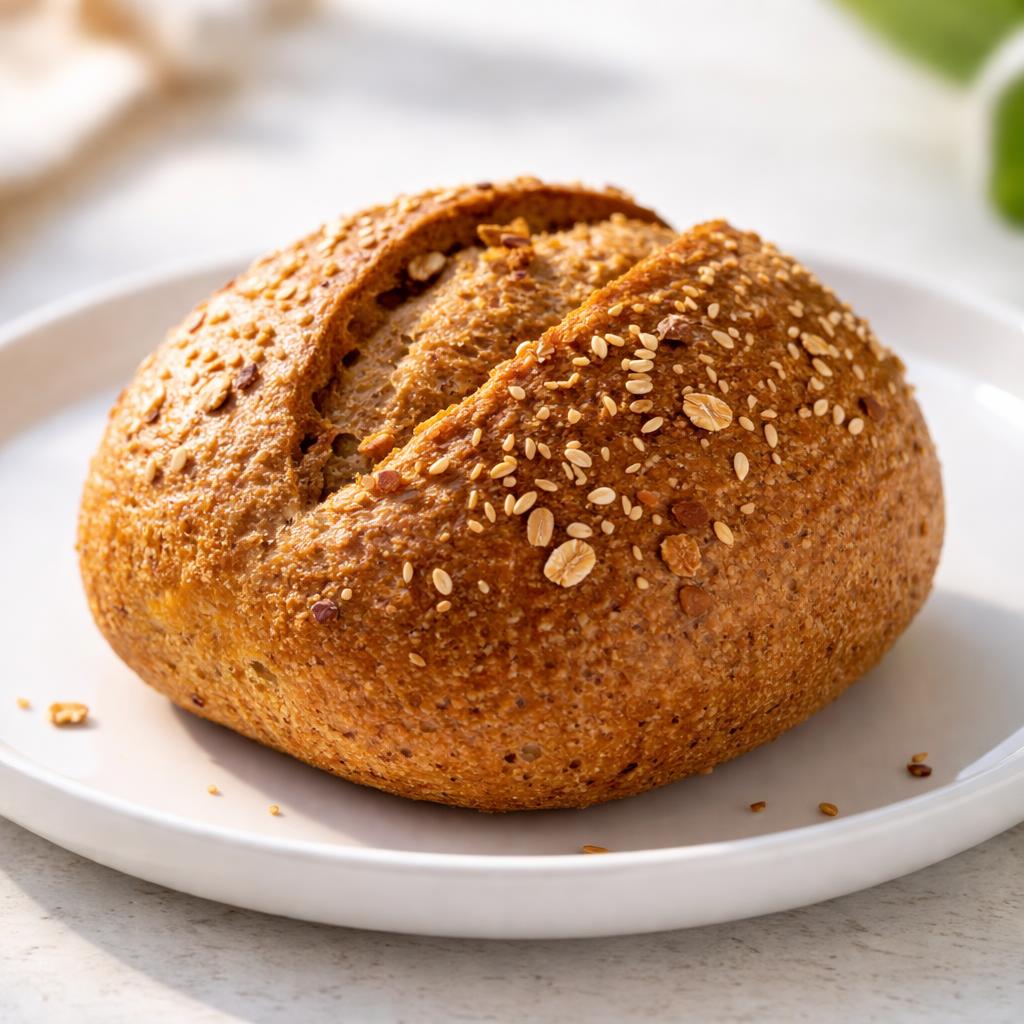
Bread Roll
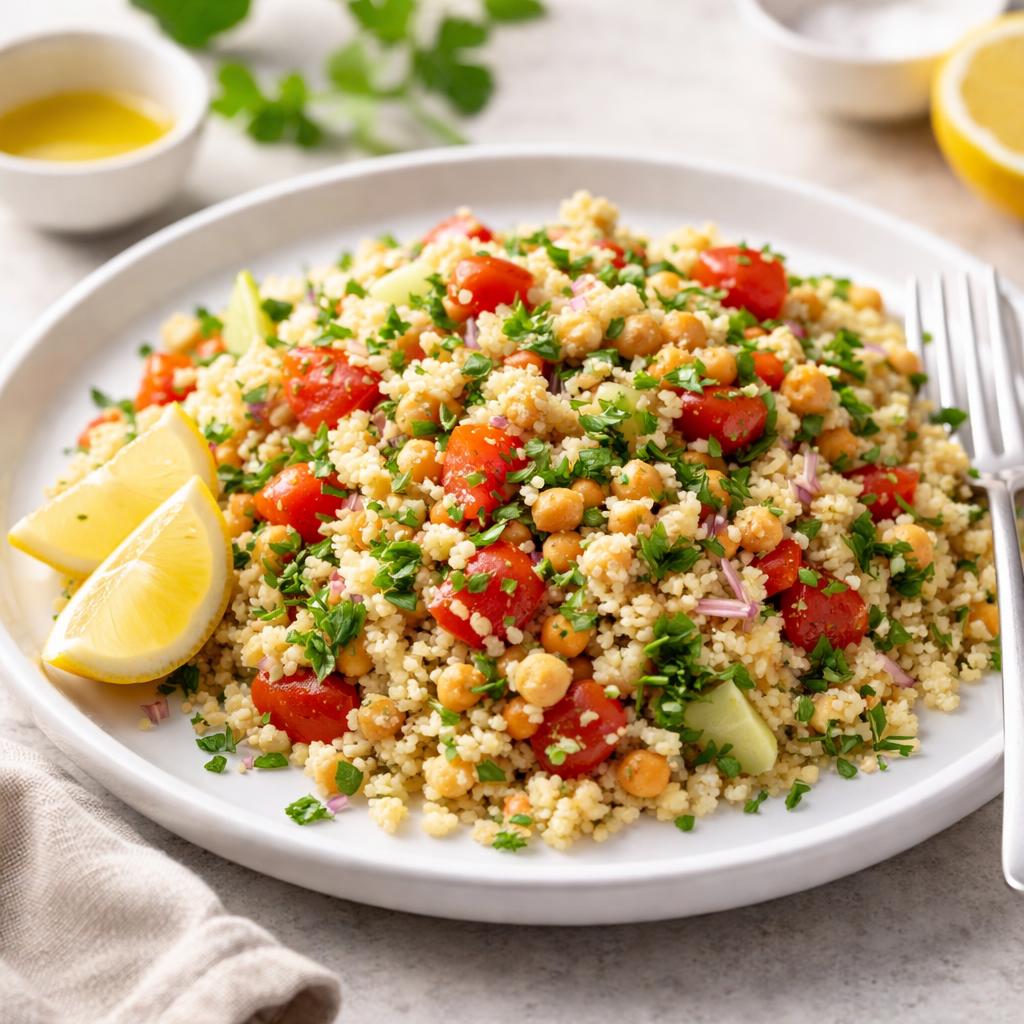
Couscous
🎯 Quick Verdict
Couscous is nutritionally superior to a bread roll in multiple aspects, offering more protein, fiber, and fewer calories per serving. Bread rolls, though convenient and satisfying, are higher in carbohydrates and less ideal for specialized diets. Couscous is versatile and nutrient-dense, making it a better option for weight management and balanced diets compared to the bread roll's simpler profile.

Smart Nutrition Tracking with SnapCalorie

📊 Nutritional Comparison
Macronutrients
| Nutrient | Food 1 | Food 2 | Winner |
|---|---|---|---|
| Calories | 140 kcal (1 small roll) | 112 kcal (1 cup cooked) | ✓ |
| Protein | 4g | 5.5g | ✓ |
| Carbs | 25g | 23g | ✓ |
| Fat | 2g | 0.38g | ✓ |
| Fiber | 1g | 2g | ✓ |
Vitamins & Minerals
| Nutrient | Food 1 | Food 2 | Winner |
|---|---|---|---|
| Vitamin B6 | 0.04mg | 0.11mg | ✓ |
| Iron | 0.78mg | 0.6mg | ✓ |
| Magnesium | 10mg | 8mg | ✓ |
🏆 Category Winners
Protein
Couscous provides 37.5% higher protein content than bread roll per serving.
Fiber
Couscous offers double the fiber compared to a bread roll.
Calories
Couscous is 20% lower in calories than a bread roll per serving.
Vitamins
Both foods provide complementary vitamin and mineral profiles without a clear edge.
🥗 Diet Compatibility
Keto
Food 1: Not Compatible
Food 2: Not Compatible
Both are high in carbohydrates.
Vegan
Food 1: Compatible
Food 2: Compatible
Neither food contains animal products.
Gluten Free
Food 1: Not Compatible
Food 2: Not Compatible
Both contain gluten.
Paleo
Food 1: Not Compatible
Food 2: Not Compatible
Neither aligns with whole food diets like paleo due to processing.
Low Carb
Food 1: Not Compatible
Food 2: Partially Compatible
Couscous is lower in carbs but still not strictly low carb.
💪 Health Benefits Comparison
Food 1 Benefits
- Source of quick energy from carbohydrates.
- Contains small amounts of iron for oxygen transport.
- Provides minimal fiber for digestion.
Food 2 Benefits
- Rich in plant-based protein for muscle repair.
- Good source of dietary fiber to improve gut health.
- Low in fat and calories, aiding weight management.
✅ The Bottom Line
Couscous is the better overall choice for a nutrient-dense, lower-calorie option that provides protein and fiber, making it ideal for balanced diets. Bread rolls are convenient and satisfying but better suited for carb-heavy meals. Opt for bread rolls when you need a quick energy boost and couscous for sustained energy and a lighter meal.
Choose Food 1 for: Occasional meals, quick carb energy boosts, convenience
Choose Food 2 for: Weight management, fiber-rich diets, protein considerations


