Bread Roll VS Buttered Bread
A detailed nutritional comparison
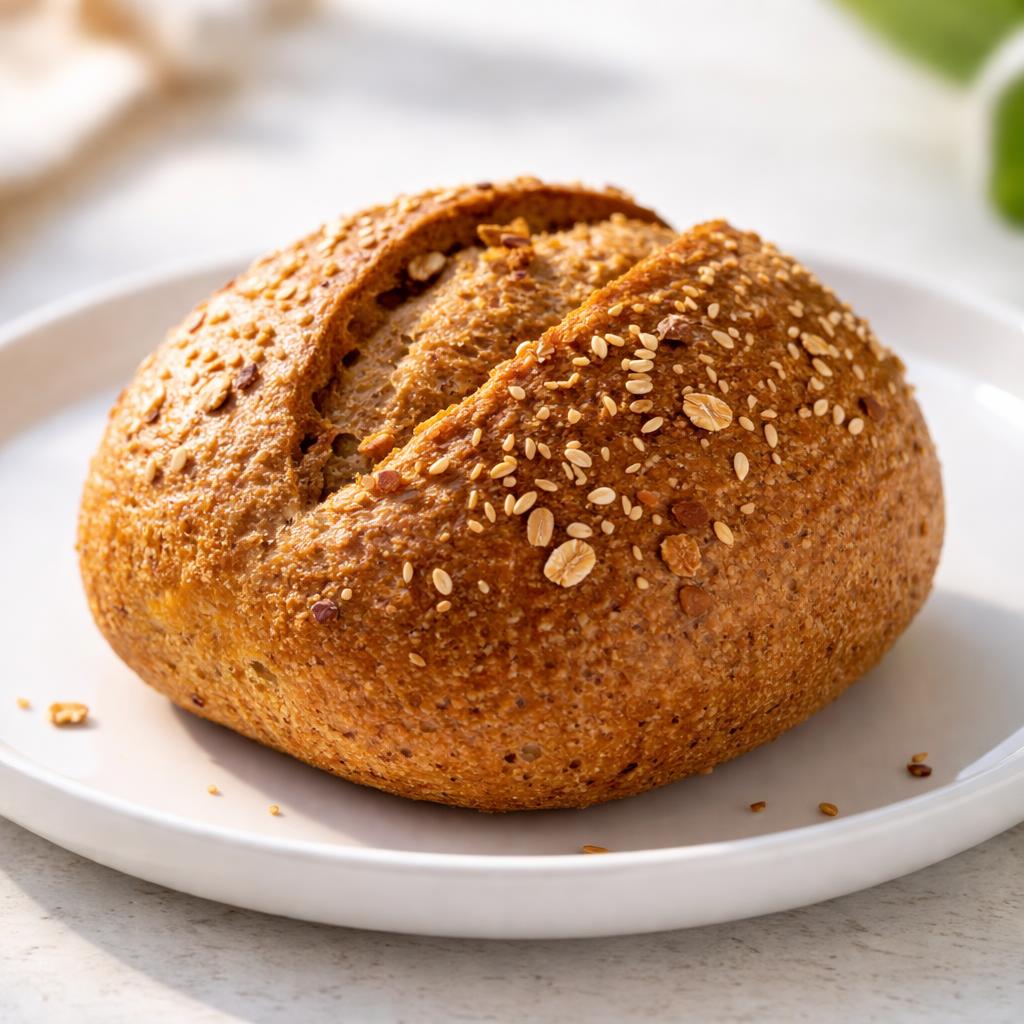
Bread Roll

Buttered Bread
🎯 Quick Verdict
Bread roll (food1) is lower in calories, fat, and provides more fiber and protein compared to buttered bread (food2). While food2 is richer in healthy fats and has a slightly higher calorie count, food1 is more nutritionally balanced for weight management and general health. Food2 works well for energy-dense needs and heart-friendly fats while food1 is better for everyday diets or low-fat meal plans.

Smart Nutrition Tracking with SnapCalorie

📊 Nutritional Comparison
Macronutrients
| Nutrient | Food 1 | Food 2 | Winner |
|---|---|---|---|
| Calories | 140 | 215 | ✓ |
| Protein | 4g | 3g | ✓ |
| Carbs | 28g | 26g | ✓ |
| Fat | 1g | 12g | ✓ |
| Fiber | 2g | 1g | ✓ |
Vitamins & Minerals
| Nutrient | Food 1 | Food 2 | Winner |
|---|---|---|---|
| Vitamin A | 0mcg | 300mcg | ✓ |
| Calcium | 30mg | 40mg | ✓ |
| Iron | 1.4mg | 1.2mg | ✓ |
🏆 Category Winners
Protein
Bread roll has 33% more protein than buttered bread.
Fiber
Bread roll provides twice the fiber per serving.
Calories
Bread roll contains 35% fewer calories than buttered bread.
Vitamins
Buttered bread is a better source of Vitamin A and calcium due to the added butter.
🥗 Diet Compatibility
Keto
Food 1: Not Compatible
Food 2: Not Compatible
Both foods are high-carb due to the bread base.
Vegan
Food 1: Compatible
Food 2: Not Compatible
Food1 is plant-based, while butter in food2 is animal-derived.
Gluten Free
Food 1: Not Compatible
Food 2: Not Compatible
Both foods contain gluten from the bread.
Paleo
Food 1: Not Compatible
Food 2: Not Compatible
Neither food aligns with paleo guidelines due to processed ingredients like bread.
Low-Carb
Food 1: Not Compatible
Food 2: Not Compatible
Both foods exceed typical low-carb thresholds with over 25g carbs per serving.
💪 Health Benefits Comparison
Food 1 Benefits
- Lower in calories for weight management
- Contains more protein for muscle health
- Higher fiber content supports digestion
Food 2 Benefits
- Rich in Vitamin A for eye health
- Provides healthy fats for energy and heart health
- Slightly higher calcium content for bone strength
✅ The Bottom Line
Choose bread roll (food1) for balanced nutrition, lower fat intake, and better digestion due to its higher fiber and protein content. Opt for buttered bread (food2) when you need an energy-dense option, more fat for satiety, or vitamin A for eye and skin health.
Choose Food 1 for: Weight management, general health, high-fiber and low-fat needs
Choose Food 2 for: Energy-dense meals, heart health, Vitamin A supplementation


