Bread Roll VS Bread Slice
A detailed nutritional comparison
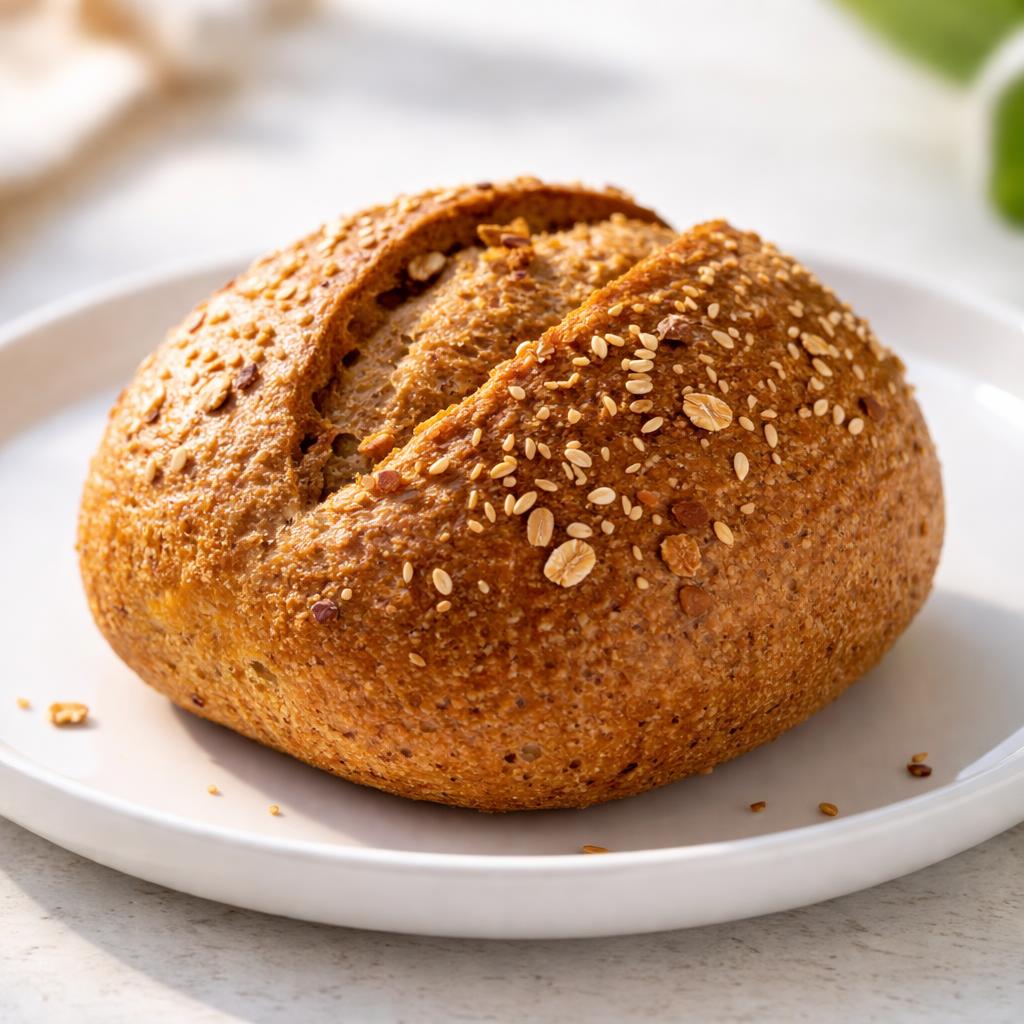
Bread Roll
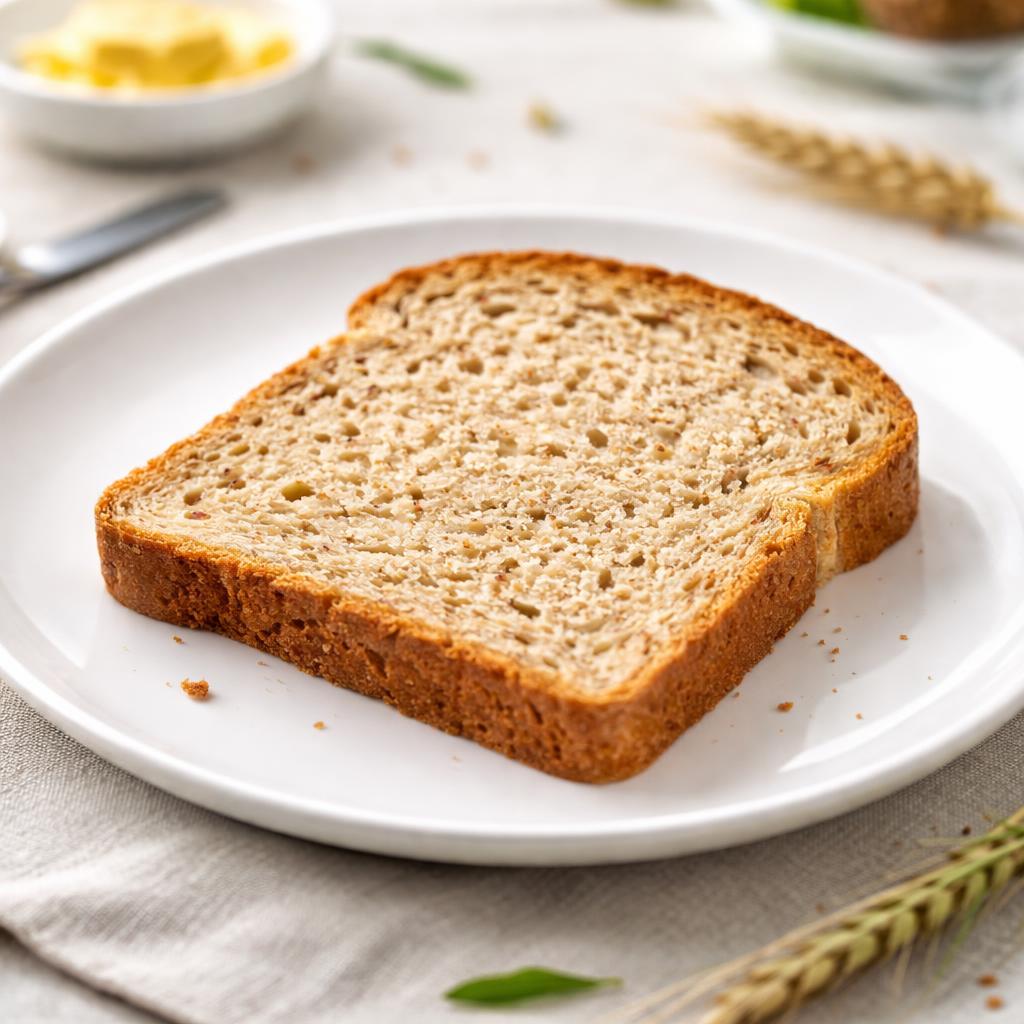
Bread Slice
🎯 Quick Verdict
Bread rolls typically contain more fiber and slightly higher calories compared to bread slices, making them more filling and suitable for hearty meals. Bread slices, on the other hand, are lower in calories, making them ideal for lighter options or portion control. Both are similar in protein content, though bread slices slightly edge out on this nutrient.

Smart Nutrition Tracking with SnapCalorie

📊 Nutritional Comparison
Macronutrients
| Nutrient | Food 1 | Food 2 | Winner |
|---|---|---|---|
| Calories | 120 | 90 | ✓ |
| Protein | 5g | 7g | ✓ |
| Carbs | 22g | 19g | ✓ |
| Fat | 2g | 1g | ✓ |
| Fiber | 3g | 1g | ✓ |
Vitamins & Minerals
| Nutrient | Food 1 | Food 2 | Winner |
|---|---|---|---|
| Vitamin D | 0mcg | 0mcg | − |
| Calcium | 50mg | 75mg | ✓ |
| Iron | 1.5mg | 2mg | ✓ |
🏆 Category Winners
Protein
Bread slice contains 40% more protein per serving.
Fiber
Bread roll has 300% more fiber per serving.
Calories
Bread slice has 25% fewer calories per serving.
Vitamins
Bread slice provides more calcium and iron than the bread roll.
🥗 Diet Compatibility
Keto
Food 1: Not Compatible
Food 2: Not Compatible
Both foods contain high carbohydrate content.
Vegan
Food 1: Compatible
Food 2: Compatible
Neither contains animal products.
Gluten Free
Food 1: Not Compatible
Food 2: Not Compatible
Both are made from wheat flour and contain gluten.
Paleo
Food 1: Not Compatible
Food 2: Not Compatible
Grains are not permitted in paleo diets.
Low Carbohydrate
Food 1: Not Compatible
Food 2: Not Compatible
Both foods contain over 19g of carbohydrates per serving.
💪 Health Benefits Comparison
Food 1 Benefits
- Provides dietary fiber for digestive health
- More filling due to higher carbohydrate content
- Easy to pair with dense toppings like soups or meats
Food 2 Benefits
- Lower in calories for portion control
- Higher protein content supports muscle maintenance
- Contains more calcium and iron for bone health and energy levels
✅ The Bottom Line
Bread rolls are ideal for those seeking greater satiety and increased fiber intake, making them better for hearty meals and digestion support. Bread slices are lighter, lower-calorie options with higher protein and micronutrient density, suiting lighter meals or nutrient-focused diets.
Choose Food 1 for: Hearty meals, digestion support, fiber richness
Choose Food 2 for: Low-calorie meals, portion control, nutrient density


