Bread Roll VS Bread Rolls
A detailed nutritional comparison
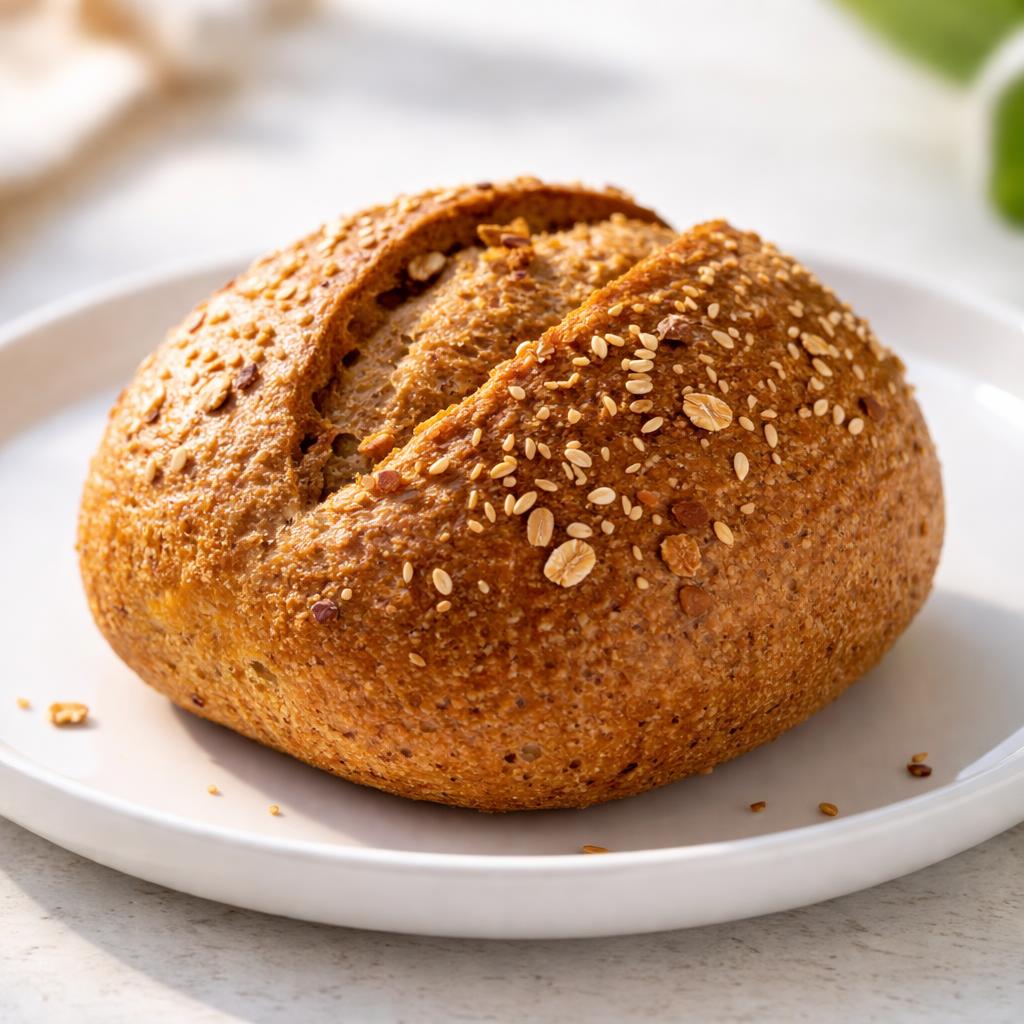
Bread Roll
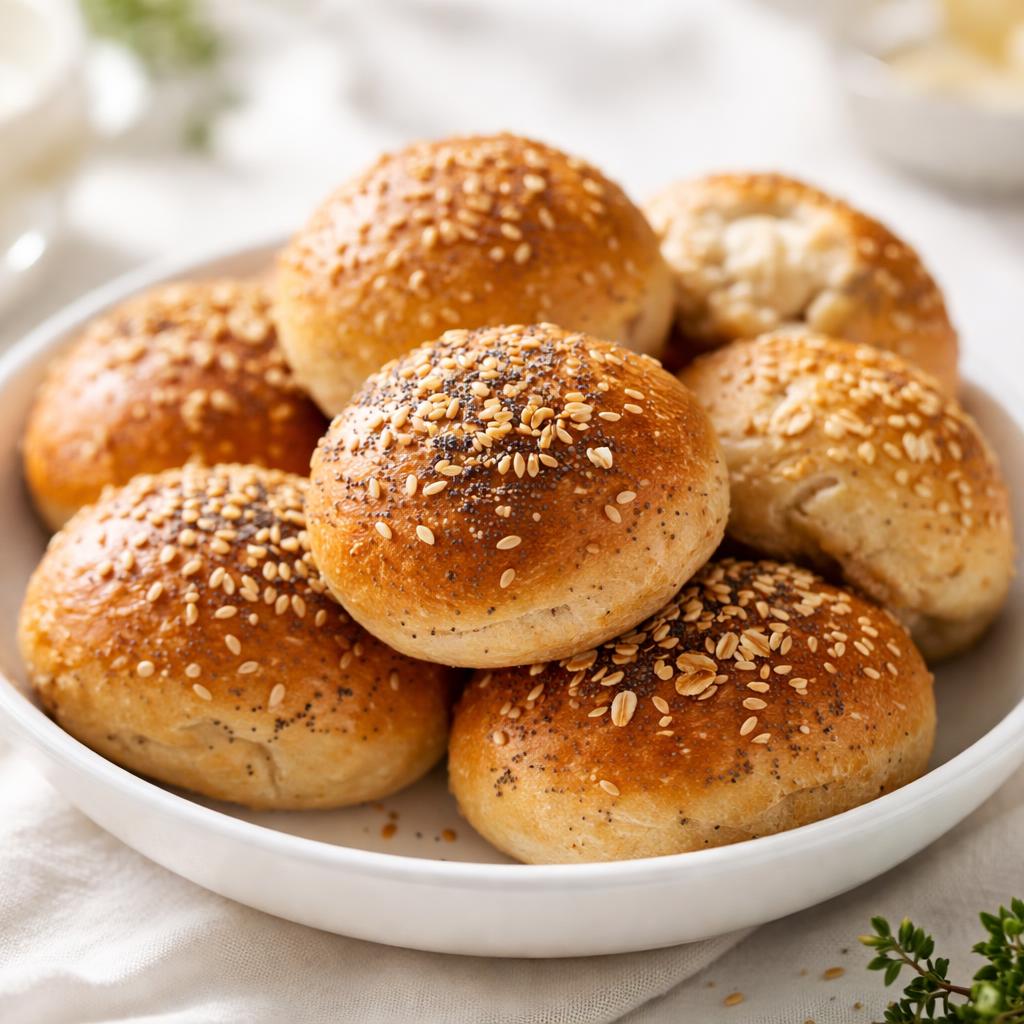
Bread Rolls
🎯 Quick Verdict
Bread roll and bread rolls are essentially the same food, with identical nutritional profiles per serving size. Both offer moderate carbohydrates, minimal protein, low fiber, and are not compatible with low-carb diets. They're best suited as part of a balanced meal for general energy needs rather than as a nutrient-dense option.

Smart Nutrition Tracking with SnapCalorie

📊 Nutritional Comparison
Macronutrients
| Nutrient | Food 1 | Food 2 | Winner |
|---|---|---|---|
| Calories | 150 | 150 | − |
| Protein | 5g | 5g | − |
| Carbs | 28g | 28g | − |
| Fat | 2g | 2g | − |
| Fiber | 1g | 1g | − |
Vitamins & Minerals
| Nutrient | Food 1 | Food 2 | Winner |
|---|---|---|---|
| Vitamin D | 0mcg | 0mcg | − |
| Calcium | 20mg | 20mg | − |
| Iron | 1mg | 1mg | − |
🏆 Category Winners
Protein
Both foods contain 5g of protein per serving.
Fiber
Both foods contain 1g of fiber per serving.
Calories
Both foods contain 150 calories per serving.
🥗 Diet Compatibility
Keto
Food 1: Not Compatible
Food 2: Not Compatible
Both are high-carb with 28g per serving.
Vegan
Food 1: Compatible
Food 2: Compatible
Both are plant-based depending on recipe.
Gluten Free
Food 1: Not Compatible
Food 2: Not Compatible
They are made from wheat flour.
Paleo
Food 1: Not Compatible
Food 2: Not Compatible
Grains are excluded from paleo diets.
Low Carb
Food 1: Not Compatible
Food 2: Not Compatible
Both contain too many carbs for low-carb diets.
💪 Health Benefits Comparison
Food 1 Benefits
- Source of quick energy due to high carbs
- Contains some iron for oxygen transport
- Easy to incorporate into meals as a versatile base
Food 2 Benefits
- Provides the same quick energy via carbohydrates
- Minimal but present amounts of calcium for bone health
- Simple and affordable food for diverse recipes
✅ The Bottom Line
Bread roll and bread rolls have identical nutritional values, making them interchangeable as food options. They are carb-heavy and lack substantial protein or fiber, so they are not ideal for special diets. Choose either as a convenient energy source or part of a balanced meal.
Choose Food 1 for: General energy needs, side dish with meals, quick snacks
Choose Food 2 for: Similar use cases: energy, affordability, meal variety


