Banana VS Wrap
A detailed nutritional comparison
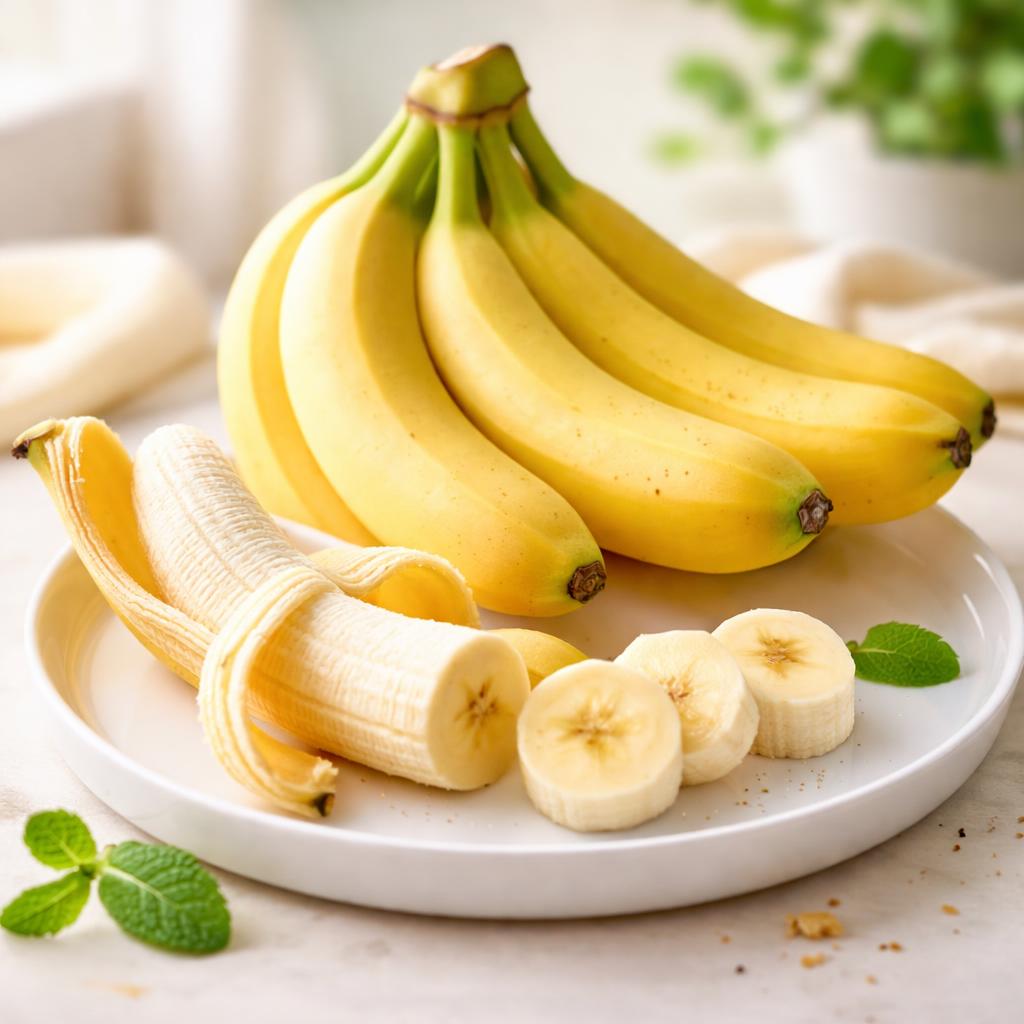
Banana
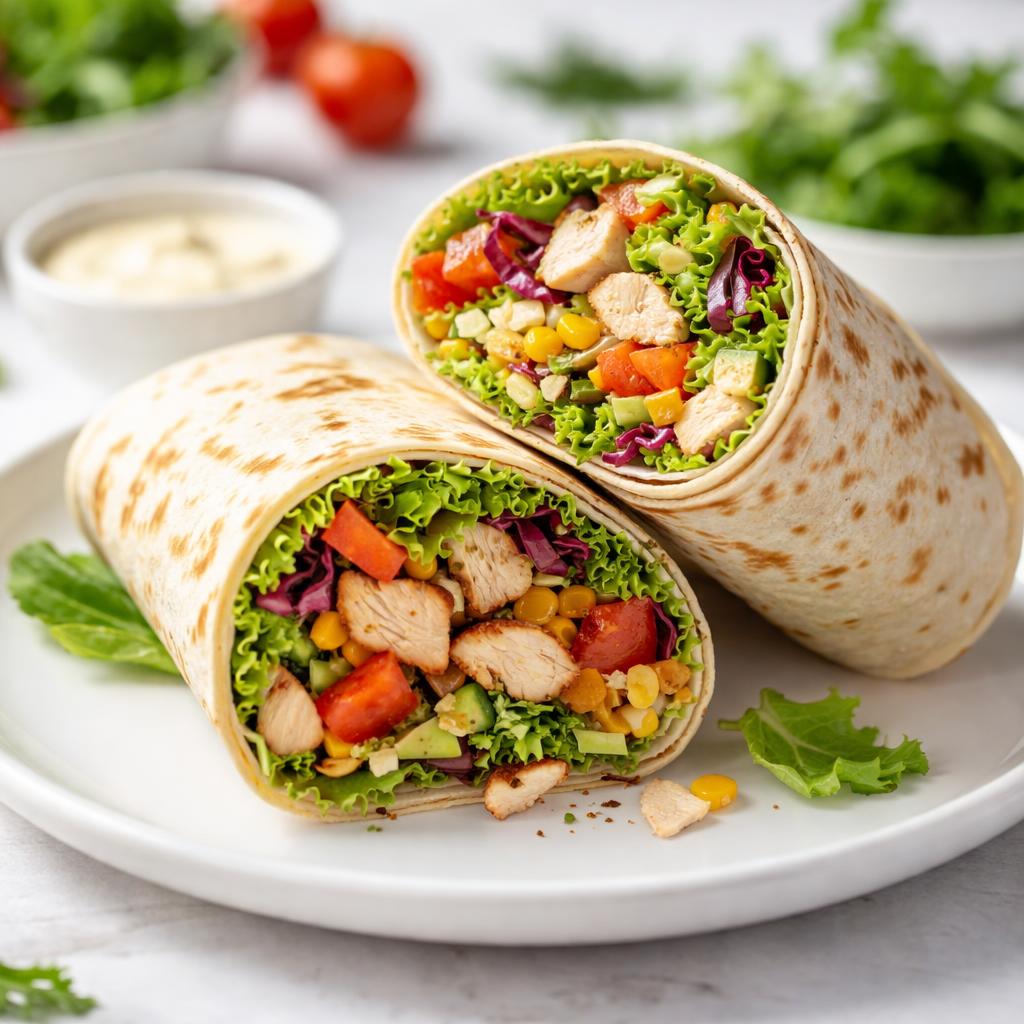
Wrap
🎯 Quick Verdict
Wraps are better for higher protein intake, while bananas excel in providing natural fiber and micronutrients. Wraps are more versatile for balanced meals or sustained energy, whereas bananas are great for quick snacks and pre-workout boosts.

Smart Nutrition Tracking with SnapCalorie

📊 Nutritional Comparison
Macronutrients
| Nutrient | Food 1 | Food 2 | Winner |
|---|---|---|---|
| Calories | 105 | 110 | − |
| Protein | 1g | 4g | − |
| Carbs | 27g | 17g | − |
| Fat | 0.3g | 2g | − |
| Fiber | 3g | 2g | − |
Vitamins & Minerals
| Nutrient | Food 1 | Food 2 | Winner |
|---|---|---|---|
| Vitamin C | 10.3mg | 0mg | − |
| Potassium | 422mg | 120mg | − |
| Iron | 0.3mg | 1.5mg | − |
🏆 Category Winners
Protein
Wrap has 4 times more protein than a banana.
Fiber
Banana has 50% more fiber per serving.
Calories
Both foods are almost equal in calories per serving.
Vitamins
Bananas feature higher potassium and Vitamin C levels.
🥗 Diet Compatibility
Keto
Food 1: Not Compatible
Food 2: Not Compatible
Both foods are too high in carbohydrates for keto diets.
Vegan
Food 1: Compatible
Food 2: Compatible
Both foods are plant-based.
Gluten Free
Food 1: Compatible
Food 2: Depends
Bananas are naturally gluten-free, but wraps may not be depending on the grain used.
Paleo
Food 1: Compatible
Food 2: Not Compatible
Bananas align with paleo diet principles; wraps do not due to processed grains.
Low Carb
Food 1: Not Compatible
Food 2: Compatible
Wraps are lower in carbs than bananas but still borderline for strict low-carb diets.
💪 Health Benefits Comparison
Food 1 Benefits
- High in potassium for heart and muscle health
- Rich in Vitamin C for immune system support
- Provides natural energy for workouts and recovery
Food 2 Benefits
- Contains a moderate amount of protein for muscle maintenance
- Often fortified with iron for red blood cell health
- Flexible base for adding nutrient-dense fillings
✅ The Bottom Line
A banana is ideal for a quick snack, a boost of natural energy, or replenishing nutrients during physical activity. A wrap is a better choice for sustained energy, protein, and making balanced meals. Choose a wrap for main meals, and a banana for snacks or pre-activity nourishment.
Choose Food 1 for: Pre-workout fuel, snack between meals, digestive health
Choose Food 2 for: Protein-rich meals, sustained energy, creating healthy meal combinations


