Banana VS White Peach
A detailed nutritional comparison
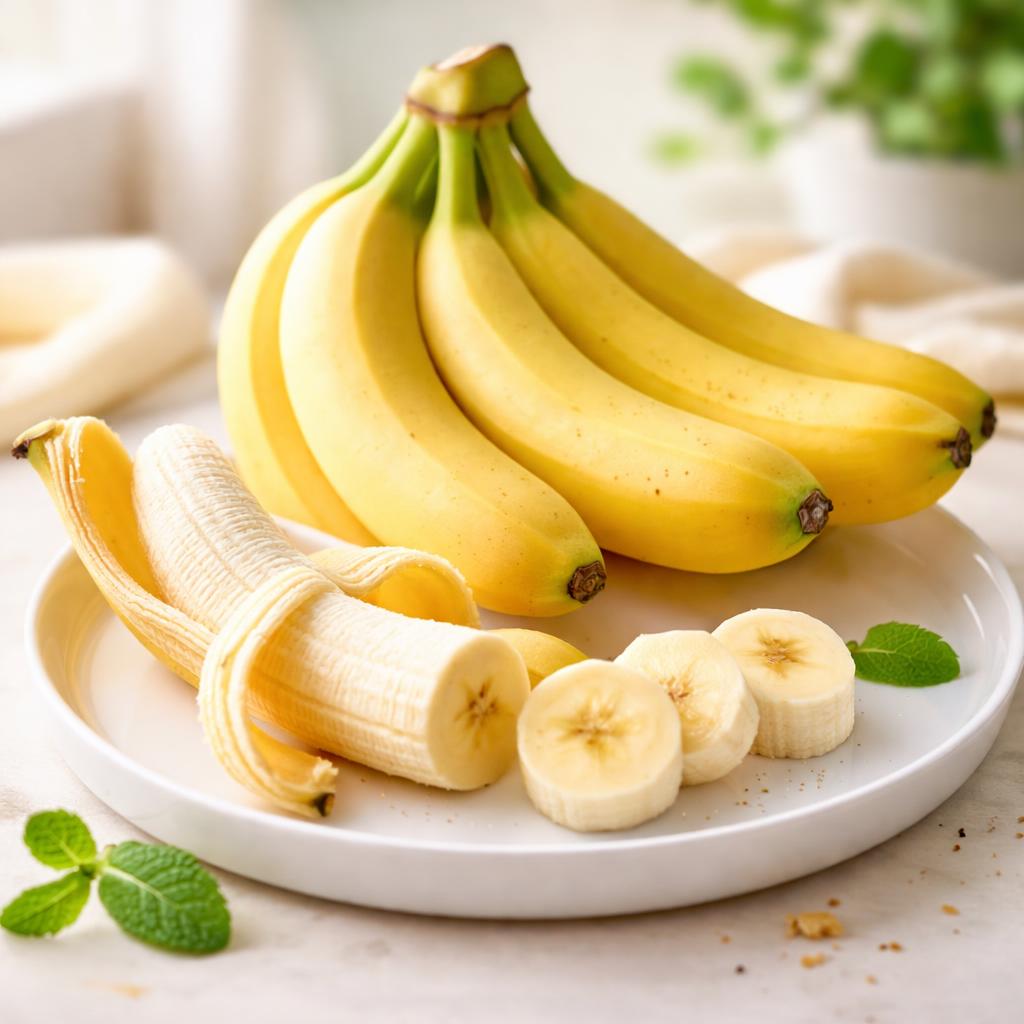
Banana
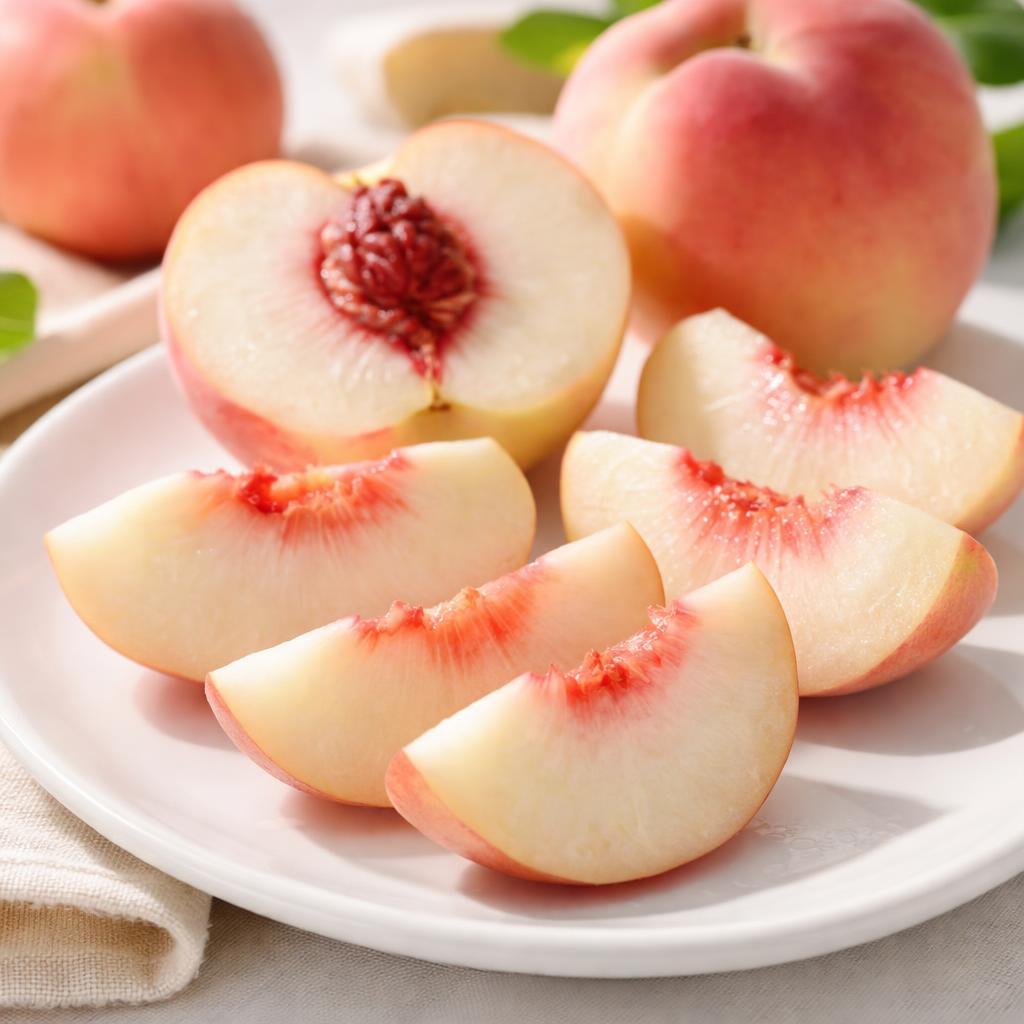
White Peach
🎯 Quick Verdict
Bananas and white peaches offer different nutritional benefits. Bananas provide more fiber and potassium, making them great for digestion and refueling after exercise. White peaches are lower in calories and provide vitamin C for immunity, making them ideal for those prioritizing calorie control and hydration. Both are excellent options for a healthy snack, depending on your goals.

Smart Nutrition Tracking with SnapCalorie

📊 Nutritional Comparison
Macronutrients
| Nutrient | Food 1 | Food 2 | Winner |
|---|---|---|---|
| Calories | 105 | 60 | ✓ |
| Protein | 1.3g | 1g | − |
| Carbs | 27g | 15g | ✓ |
| Fat | 0.3g | 0g | ✓ |
| Fiber | 3.1g | 1.9g | ✓ |
Vitamins & Minerals
| Nutrient | Food 1 | Food 2 | Winner |
|---|---|---|---|
| Vitamin C | 10.3mg | 8.4mg | ✓ |
| Potassium | 422mg | 190mg | ✓ |
| Vitamin A | 64IU | 170IU | ✓ |
🏆 Category Winners
Protein
Both banana and white peach are low in protein with similar amounts per serving.
Fiber
Bananas provide 63% more fiber, supporting better digestion.
Calories
White peach has nearly 40% fewer calories than a banana, ideal for calorie-conscious diets.
Vitamins
Bananas are richer in potassium and vitamin C overall.
🥗 Diet Compatibility
Keto
Food 1: Not Compatible
Food 2: Not Compatible
Both foods are high in natural sugar and carbs, making them unsuitable for keto diets.
Vegan
Food 1: Compatible
Food 2: Compatible
Both are plant-based and fit vegan dietary needs.
Gluten Free
Food 1: Compatible
Food 2: Compatible
Neither food contains gluten.
Paleo
Food 1: Compatible
Food 2: Compatible
Both fit within whole, minimally processed paleo guidelines.
Low-Carb
Food 1: Not Compatible
Food 2: Partially Compatible
White peach has fewer carbs, but neither are ideal for strict low-carb diets.
💪 Health Benefits Comparison
Food 1 Benefits
- High in potassium for muscle function and heart health
- Provides dietary fiber for improved digestion
- Boosts energy with natural sugars, ideal for pre-workout snack
Food 2 Benefits
- Low in calories for weight management
- High water content for hydration
- Good source of vitamin A for healthy vision and immunity
✅ The Bottom Line
Choose a banana if you need a higher fiber snack, extra potassium, or an energy boost for workouts. Opt for a white peach if you're managing calorie intake, looking to hydrate, or want a more refreshing option.
Choose Food 1 for: Exercise recovery, digestion, potassium intake
Choose Food 2 for: Low-calorie diets, hydration, light summer snacks


