Banana VS White Bread Slice
A detailed nutritional comparison
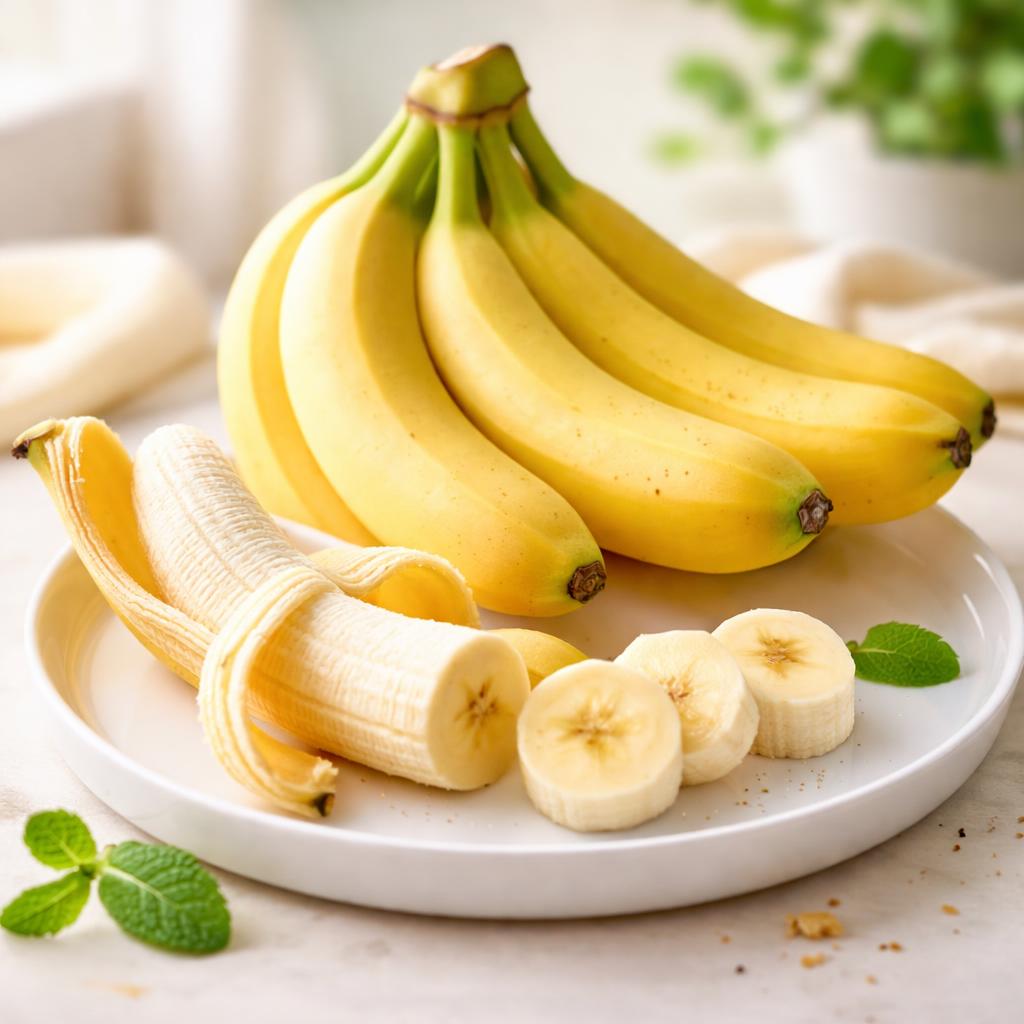
Banana
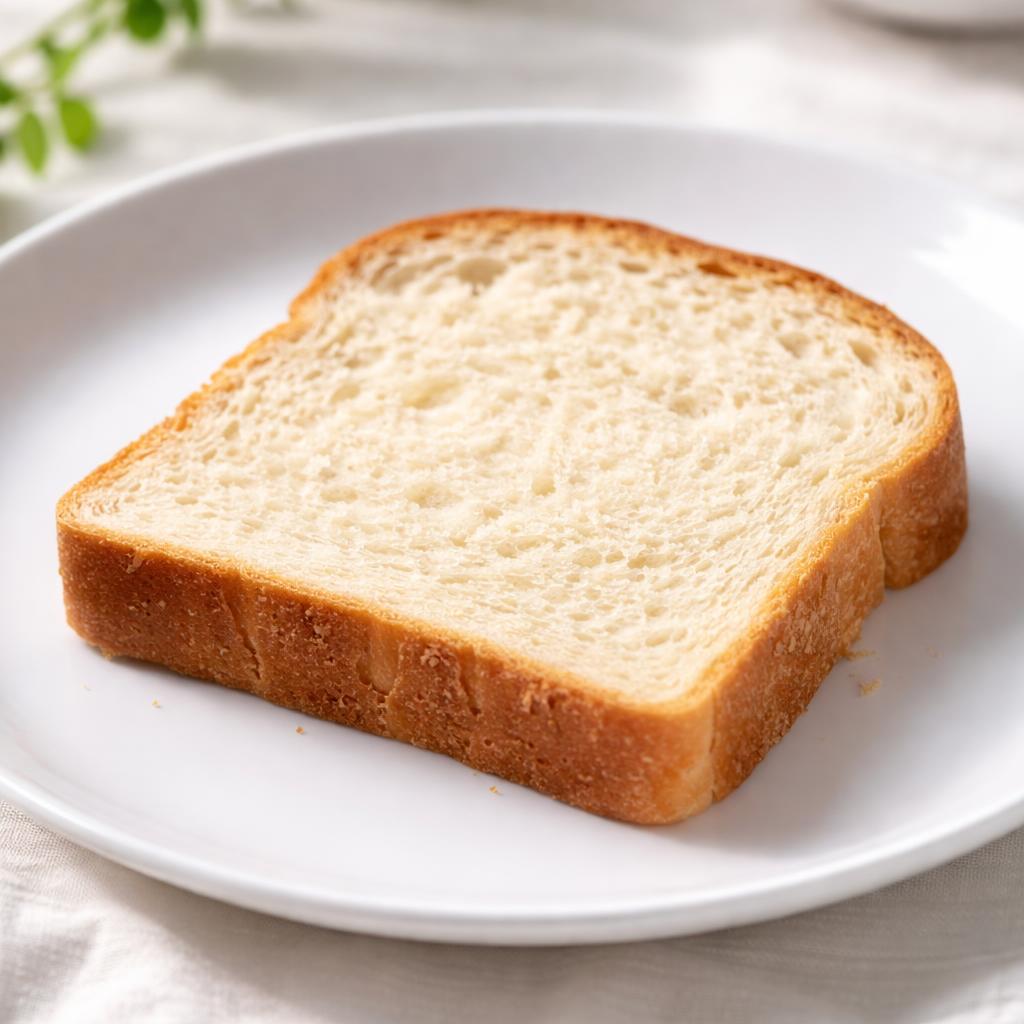
White Bread Slice
🎯 Quick Verdict
Bananas are nutrient-dense with lower calories, higher fiber, and more vitamins, making them ideal for snacking and digestion support. White bread has slightly more protein and carbs, making it useful for quick energy boosts but lacks micronutrients. Bananas are generally better for health-conscious choices, while white bread may suit specific energy needs temporarily.

Smart Nutrition Tracking with SnapCalorie

📊 Nutritional Comparison
Macronutrients
| Nutrient | Food 1 | Food 2 | Winner |
|---|---|---|---|
| Calories | 105 | 79 | ✓ |
| Protein | 1.3g | 2.7g | ✓ |
| Carbs | 27g | 14g | ✓ |
| Fat | 0.3g | 0.5g | ✓ |
| Fiber | 3.1g | 0.6g | ✓ |
Vitamins & Minerals
| Nutrient | Food 1 | Food 2 | Winner |
|---|---|---|---|
| Vitamin C | 10mg | 0mg | ✓ |
| Potassium | 422mg | 34mg | ✓ |
| Iron | 0.3mg | 0.9mg | ✓ |
🏆 Category Winners
Protein
White bread slice has over double the protein compared to a banana.
Fiber
Banana provides 5 times the fiber of white bread.
Calories
White bread you slice has 25% fewer calories per serving, making it lower-calorie.
🥗 Diet Compatibility
Keto
Food 1: Not Compatible
Food 2: Not Compatible
Both foods contain high carbohydrates, exceeding keto limits.
Vegan
Food 1: Compatible
Food 2: Compatible
Both are plant-based and suitable for vegan diets.
Gluten Free
Food 1: Compatible
Food 2: Not Compatible
Bananas are naturally gluten-free; white bread contains gluten.
Paleo
Food 1: Compatible
Food 2: Not Compatible
Bananas fit within the paleo diet; white bread is processed and not paleo-friendly.
Low-Carb
Food 1: Not Compatible
Food 2: Not Compatible
Both foods contain significant carbs, not ideal for low-carb diets.
💪 Health Benefits Comparison
Food 1 Benefits
- High in fiber, promoting digestive health
- Rich in potassium, supporting heart and muscle function
- Provides antioxidants, protecting against cell damage
- Good source of natural energy due to complex carbs
Food 2 Benefits
- Higher protein for energy and tissue repair
- Quick carb source for immediate energy boost
- Convenient and versatile in meals and snacks
- Fortified with iron, contributing to better oxygen transport
✅ The Bottom Line
When prioritizing nutrients, fiber, and vitamins, bananas are the clear winner and better suited for general health, weight management, and digestion. White bread is good for convenient energy boosts and protein but is less nutrient-dense overall, making it more suitable for short-term needs rather than regular consumption.
Choose Food 1 for: Snack, digestion support, weight management, pre-workout energy
Choose Food 2 for: Quick carb-rich meals, energy boosts, sandwiches


