Banana VS Taco Shell
A detailed nutritional comparison
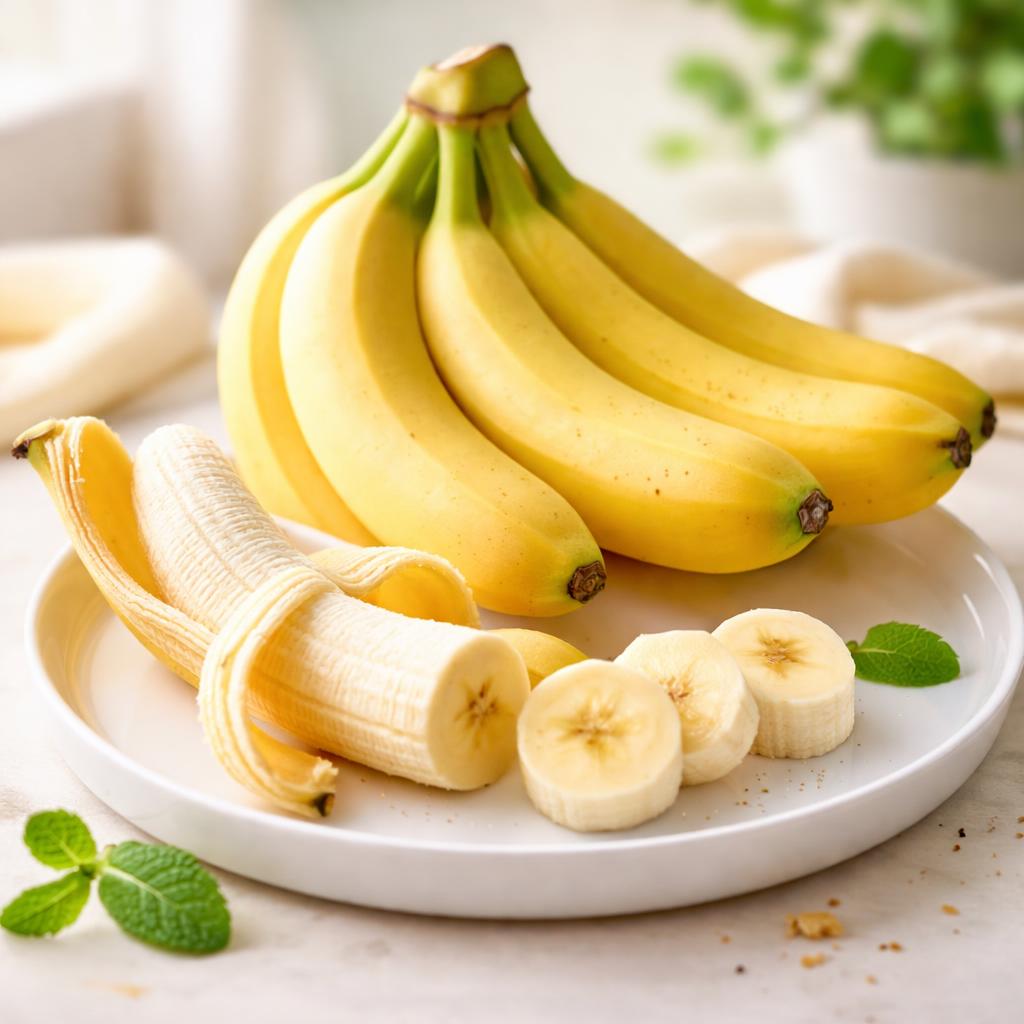
Banana
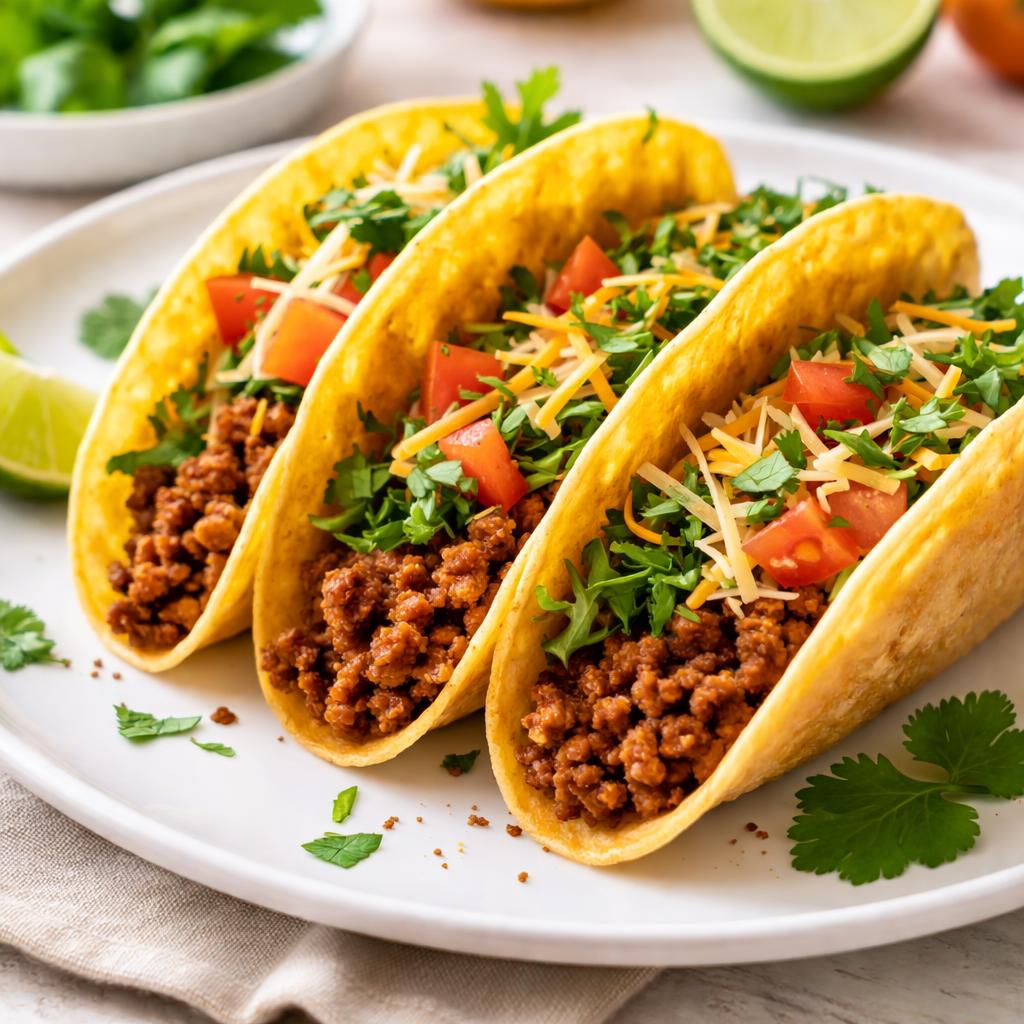
Taco Shell
🎯 Quick Verdict
Bananas and taco shells serve very different nutritional purposes. Bananas are lower in calories and richer in fiber, while taco shells offer more protein per serving. Bananas excel in providing vitamins and minerals like potassium, whereas taco shells are an excellent source of carbohydrates, suitable for high-energy meals.

Smart Nutrition Tracking with SnapCalorie

📊 Nutritional Comparison
Macronutrients
| Nutrient | Food 1 | Food 2 | Winner |
|---|---|---|---|
| Calories | 105 | 150 | ✓ |
| Protein | 1.3g | 2g | ✓ |
| Carbs | 27g | 19g | ✓ |
| Fat | 0.3g | 7g | ✓ |
| Fiber | 3.1g | 1g | ✓ |
Vitamins & Minerals
| Nutrient | Food 1 | Food 2 | Winner |
|---|---|---|---|
| Vitamin C | 10mg | 0mg | ✓ |
| Potassium | 422mg | 47mg | ✓ |
| Vitamin B6 | 0.4mg | 0.02mg | ✓ |
🏆 Category Winners
Protein
Taco shells have approximately 50% more protein compared to bananas.
Fiber
Bananas contain three times the fiber content of taco shells per serving.
Calories
Bananas are 30% lower in calories than taco shells.
Vitamins
Bananas offer significantly higher levels of Vitamin C, potassium, and Vitamin B6.
🥗 Diet Compatibility
Keto
Food 1: Not Compatible
Food 2: Compatible
Taco shells are lower in carbs compared to bananas.
Vegan
Food 1: Compatible
Food 2: Compatible
Both foods are plant-based.
Gluten Free
Food 1: Compatible
Food 2: Not Compatible
Taco shells often contain gluten unless specified otherwise.
Paleo
Food 1: Compatible
Food 2: Not Compatible
Bananas fit the whole-food criteria, whereas processed taco shells do not.
Low-Carb
Food 1: Not Compatible
Food 2: Compatible
Taco shells have significantly fewer carbs than bananas.
💪 Health Benefits Comparison
Food 1 Benefits
- Rich in potassium, supporting cardiovascular health
- Provides Vitamin C to boost immunity
- Good source of fiber for digestive health
- Natural energy booster with easily digestible carbs
Food 2 Benefits
- Provides quick energy through carbohydrates
- Contains some protein to aid muscle repair
- Fat content may help with satiety and energy
- Easy to pair with nutrient-rich fillings for a balanced meal
✅ The Bottom Line
Both foods are valuable for different purposes. Choose bananas for a nutrient-dense snack packed with vitamins, minerals, and fiber, making them great for digestion and energy. Taco shells, on the other hand, are ideal as a base for customizable meals requiring more protein and fats, making them suitable for low-carb or keto diets with the right fillings.
Choose Food 1 for: Snacks, digestion support, natural energy boosts
Choose Food 2 for: Low-carb meals, customizable recipes, quick energy source


