Banana VS Slice Of Bread
A detailed nutritional comparison
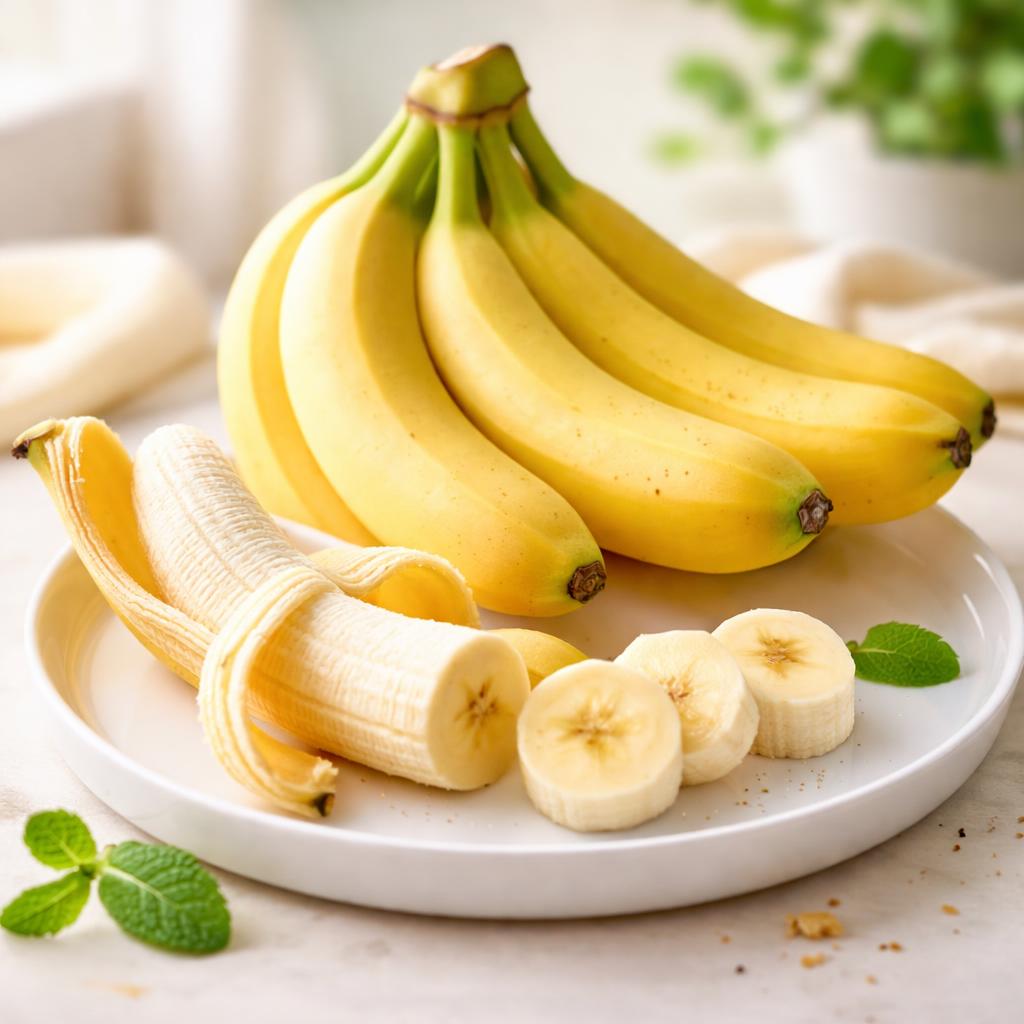
Banana
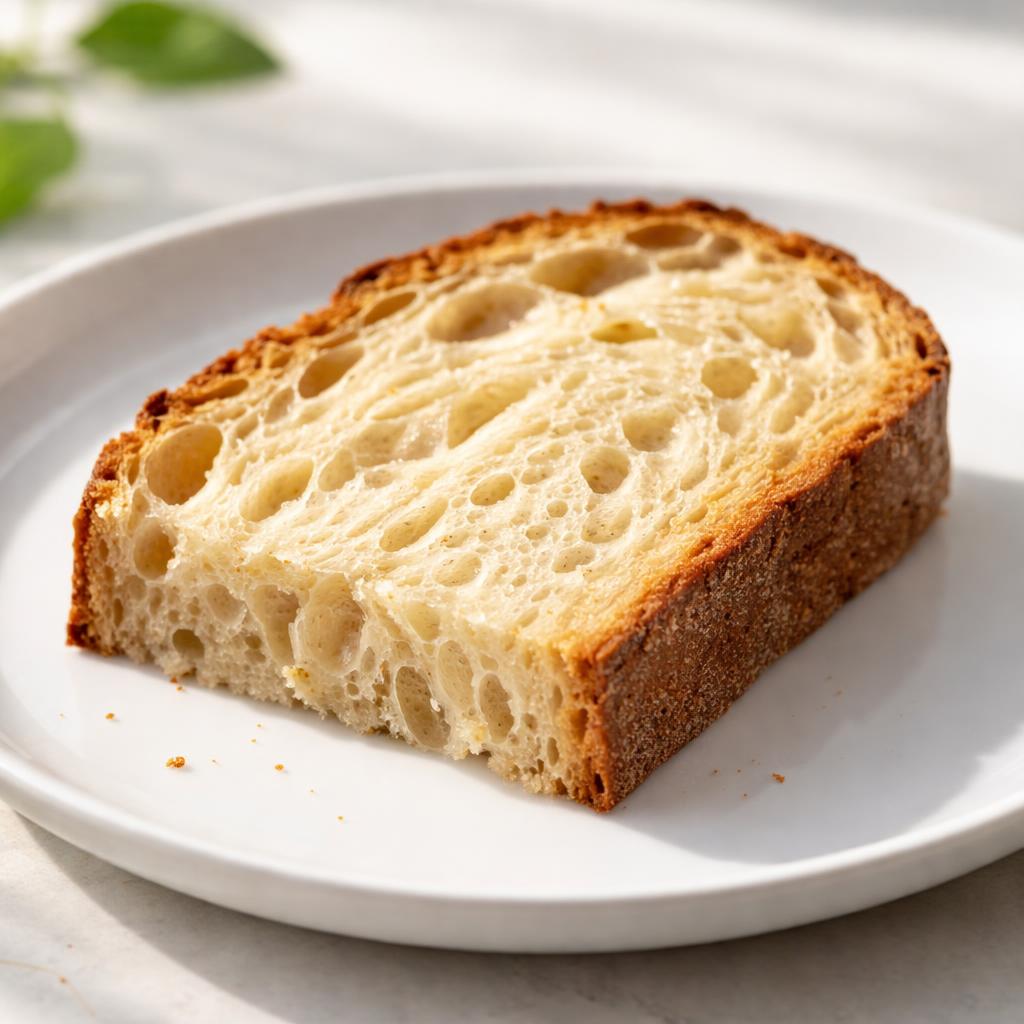
Slice Of Bread
🎯 Quick Verdict
Bananas and slices of bread have different nutritional profiles. Bananas are lower in calories, higher in fiber, and excellent for quick energy and potassium. Bread, on the other hand, has slightly more protein and can offer sustained energy due to its carbohydrate composition. Both are versatile and can be used for different dietary goals.

Smart Nutrition Tracking with SnapCalorie

📊 Nutritional Comparison
Macronutrients
| Nutrient | Food 1 | Food 2 | Winner |
|---|---|---|---|
| Calories | 105 | 120 | ✓ |
| Protein | 1.3g | 4g | ✓ |
| Carbs | 27g | 23g | ✓ |
| Fat | 0.3g | 1g | ✓ |
| Fiber | 3g | 0.8g | ✓ |
Vitamins & Minerals
| Nutrient | Food 1 | Food 2 | Winner |
|---|---|---|---|
| Vitamin B6 | 0.4mg | 0.05mg | ✓ |
| Potassium | 422mg | 74mg | ✓ |
| Iron | 0.3mg | 0.8mg | ✓ |
| Calcium | 0mg | 56mg | ✓ |
🏆 Category Winners
Protein
Bread has approximately three times more protein per serving than a banana.
Fiber
Bananas provide nearly four times more fiber per serving.
Calories
Bananas are lower-calorie by about 15% compared to bread.
🥗 Diet Compatibility
Keto
Food 1: Not Compatible
Food 2: Not Compatible
Both are high in carbohydrates.
Vegan
Food 1: Compatible
Food 2: Compatible
Neither contains animal products.
Gluten Free
Food 1: Compatible
Food 2: Not Compatible
Bananas are naturally gluten-free, but bread typically contains gluten unless specifically labeled gluten-free.
Paleo
Food 1: Compatible
Food 2: Not Compatible
Bananas fit within the paleo diet; bread does not due to processed grains.
Low Carb
Food 1: Not Compatible
Food 2: Not Compatible
Both are relatively high-carb, making them less suitable for low-carb diets.
💪 Health Benefits Comparison
Food 1 Benefits
- Rich in potassium to support heart health
- High in vitamin B6 for brain function
- Good source of fiber for promoting digestion
- Provides quick energy due to naturally occurring sugars
Food 2 Benefits
- Decent source of protein for tissue repair
- Contains calcium to support bone health
- Provides iron for oxygen transportation in the body
- Offers sustained energy due to complex carbohydrates
✅ The Bottom Line
Bananas are ideal for quick energy, digestion, and heart health, especially as a snack or for active lifestyles. Bread is better for sustained energy, higher protein, and pairing with other foods like spreads or proteins. Choosing one depends on dietary goals and timing of consumption.
Choose Food 1 for: Quick energy, digestion, heart health
Choose Food 2 for: Sustained energy, meal bases, protein boost


