Banana VS Salad Dressing
A detailed nutritional comparison
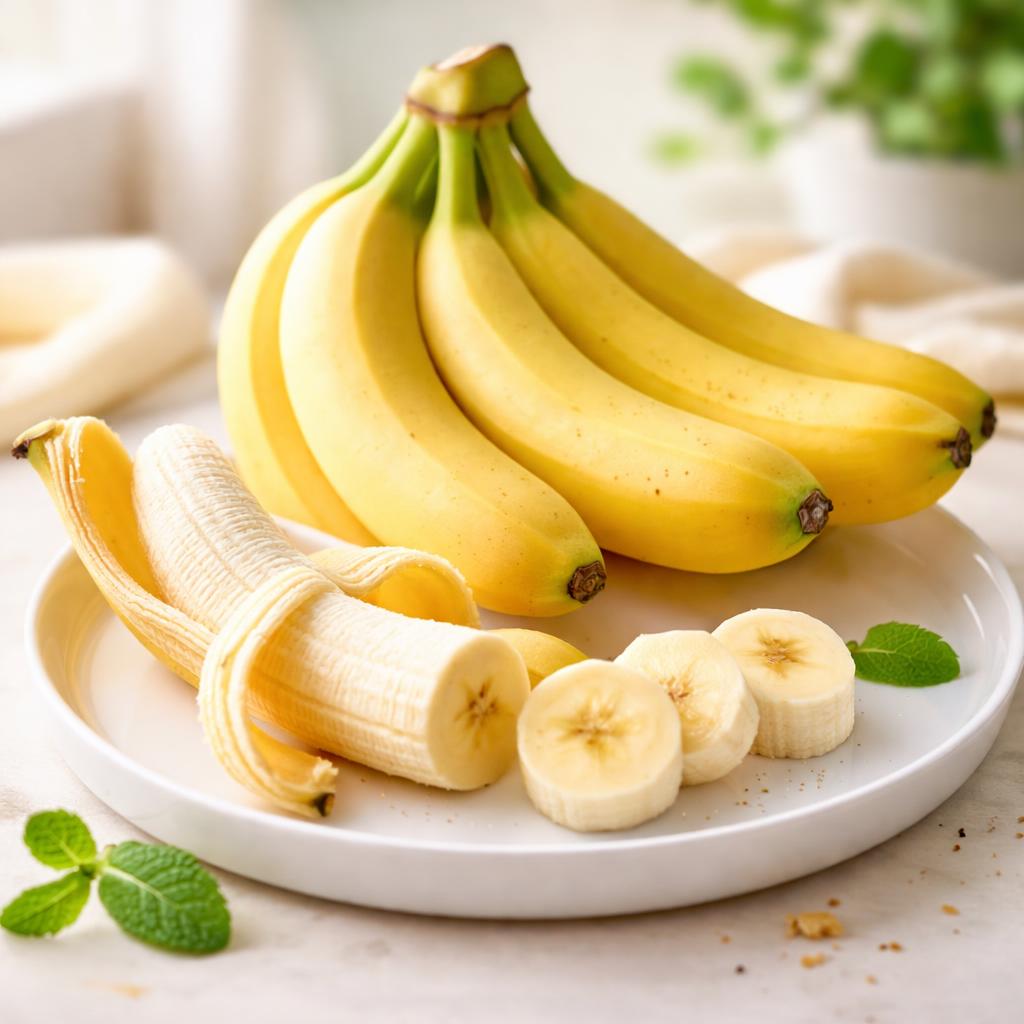
Banana
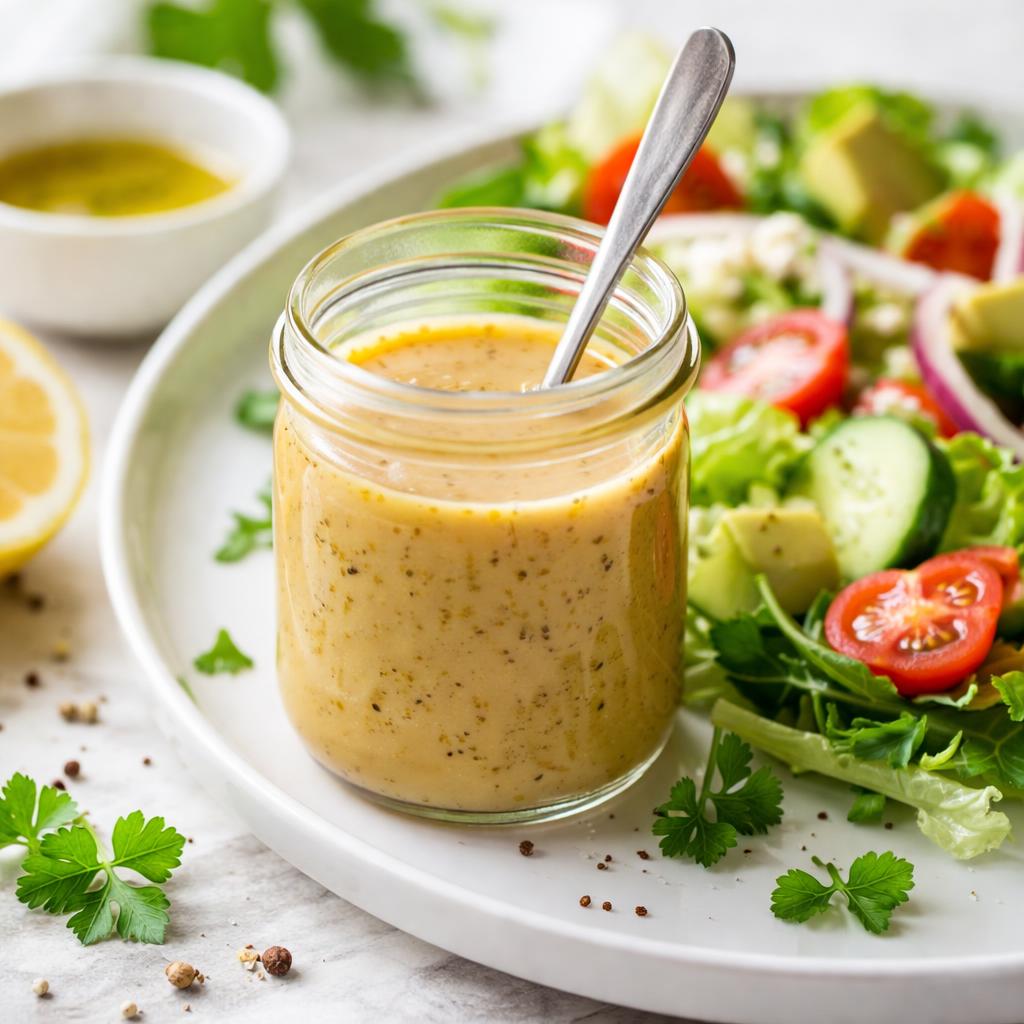
Salad Dressing
🎯 Quick Verdict
Bananas are a nutrient-dense fruit rich in fiber, potassium, and vitamins, making them an excellent choice for energy and digestion. Salad dressing is typically higher in fat and calories, with minimal protein or fiber, and is better suited as an occasional flavor enhancer rather than a primary food source for nutrition.

Smart Nutrition Tracking with SnapCalorie

📊 Nutritional Comparison
Macronutrients
| Nutrient | Food 1 | Food 2 | Winner |
|---|---|---|---|
| Calories | 105 | 150 | − |
| Protein | 1.3g | 0.2g | − |
| Carbs | 27g | 1g | − |
| Fat | 0.3g | 14g | − |
| Fiber | 3.1g | 0g | − |
Vitamins & Minerals
| Nutrient | Food 1 | Food 2 | Winner |
|---|---|---|---|
| Vitamin C | 10mg | 0mg | − |
| Potassium | 422mg | 10mg | − |
| Iron | 0.3mg | 0.1mg | − |
🏆 Category Winners
Protein
Banana provides over 600% more protein compared to salad dressing.
Fiber
Salad dressing does not contain fiber, while banana has 3.1g per serving.
Calories
Banana has about 30% fewer calories per serving.
🥗 Diet Compatibility
Keto
Food 1: Not Compatible
Food 2: Compatible
Salad dressing is low-carb and high-fat, while banana is carb-heavy.
Vegan
Food 1: Compatible
Food 2: Depends
Banana is vegan. Salad dressing may vary based on ingredients (e.g., dairy or eggs).
Gluten Free
Food 1: Compatible
Food 2: Compatible
Both are naturally gluten-free.
Paleo
Food 1: Compatible
Food 2: Depends
Banana is paleo, while salad dressing depends on added ingredients (e.g., preservatives).
Low-Carb
Food 1: Not Compatible
Food 2: Compatible
Salad dressing is low-carb, while bananas are high in natural sugars and carbohydrates.
💪 Health Benefits Comparison
Food 1 Benefits
- Rich in potassium for heart and muscle function
- High in fiber for better digestion
- Good source of vitamin C to support immunity
Food 2 Benefits
- Provides healthy fats (if olive oil-based) for heart health
- Can add flavor to nutrient-dense salads
- May contain vitamins depending on additional ingredients (e.g., herbs)
✅ The Bottom Line
Bananas are a versatile and nutritious option for snacks, post-workout recovery, or as a quick energy boost, while salad dressing is best used sparingly for flavor enhancement without contributing significant nutritional value. Choose bananas for whole-food nutrition and salad dressing for taste moderation in meals.
Choose Food 1 for: Snacking, digestion support, energy boost
Choose Food 2 for: Enhancing salads, complementing keto diets, adding healthy fats


