Banana VS Protein Smoothie
A detailed nutritional comparison
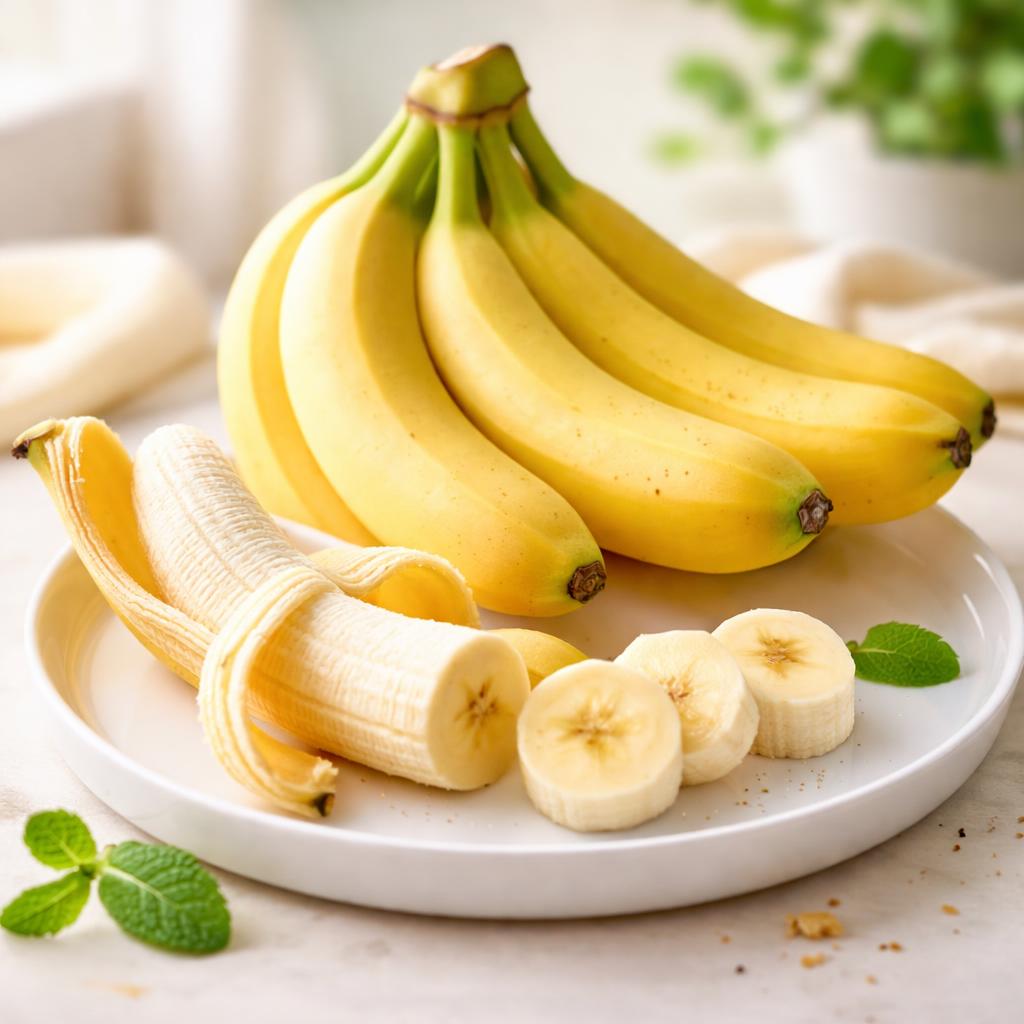
Banana
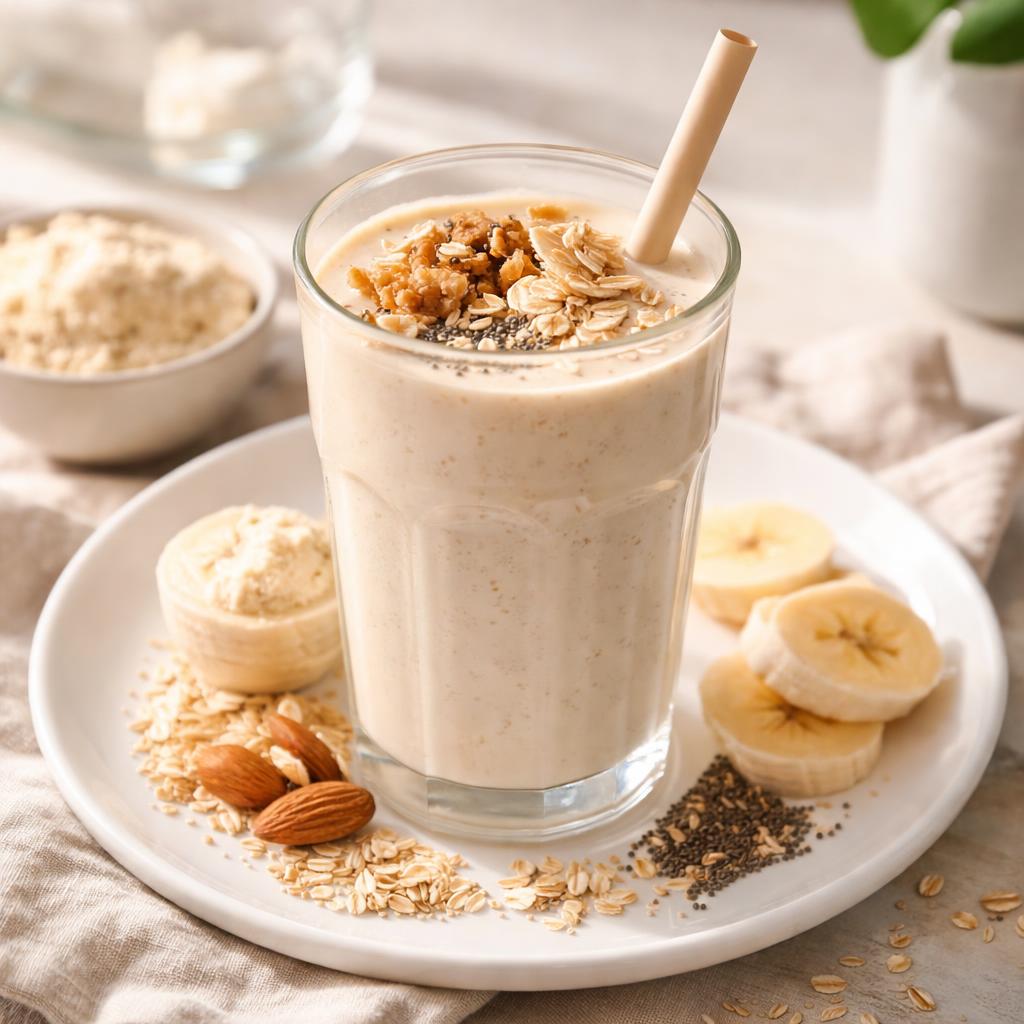
Protein Smoothie
🎯 Quick Verdict
Protein smoothie delivers significantly higher protein content, making it ideal for muscle growth or recovery, while the banana provides more fiber and fewer calories, suited for quick energy or digestion support. Both foods can complement different dietary goals depending on the context of consumption.

Smart Nutrition Tracking with SnapCalorie

📊 Nutritional Comparison
Macronutrients
| Nutrient | Food 1 | Food 2 | Winner |
|---|---|---|---|
| Calories | 105 | 200 | ✓ |
| Protein | 1.3g | 20g | ✓ |
| Carbs | 27g | 12g | ✓ |
| Fat | 0.3g | 7g | ✓ |
| Fiber | 3.1g | 1g | ✓ |
Vitamins & Minerals
| Nutrient | Food 1 | Food 2 | Winner |
|---|---|---|---|
| Vitamin C | 10mg | 5mg | ✓ |
| Potassium | 422mg | 150mg | ✓ |
| Calcium | 5mg | 400mg | ✓ |
| Iron | 0.3mg | 3mg | ✓ |
🏆 Category Winners
Protein
Protein smoothie contains significantly more protein (20g vs 1.3g).
Fiber
Banana provides triple the fiber content of a protein smoothie (3.1g vs 1g).
Calories
Banana is lower in calories (105 vs 200).
Vitamins
Banana excels in Vitamin C and potassium, while protein smoothie wins in calcium and iron.
🥗 Diet Compatibility
Keto
Food 1: Not Compatible
Food 2: Compatible
Protein smoothie is low-carb, while banana is high-carb (27g).
Vegan
Food 1: Compatible
Food 2: Depends
Banana is fully vegan, but protein smoothie may vary based on ingredients.
Gluten Free
Food 1: Compatible
Food 2: Compatible
Both foods are naturally gluten-free but check smoothie ingredients.
Paleo
Food 1: Compatible
Food 2: Depends
Banana fits paleo, while protein smoothie depends on processing and ingredients.
Low-Carb
Food 1: Not Compatible
Food 2: Compatible
Smoothie has lower carbs (12g) compared to banana's higher carb content (27g).
💪 Health Benefits Comparison
Food 1 Benefits
- High fiber content aids digestion and promotes gut health.
- Rich in potassium for heart and muscle function.
- Contains Vitamin C to support immune system.
Food 2 Benefits
- High protein content supports muscle growth and recovery.
- Contains a balanced amount of healthy fats for energy and satiety.
- Rich in calcium and iron for bone health and oxygen transport.
✅ The Bottom Line
Choose the banana for a lower-calorie, high-fiber snack or quick energy boost. Opt for the protein smoothie when you need a high-protein, low-carb option for muscle recovery or as a meal replacement.
Choose Food 1 for: Quick energy, digestion support, snacking
Choose Food 2 for: Muscle building, post-workout recovery, meal replacement


