Banana VS Pepper
A detailed nutritional comparison
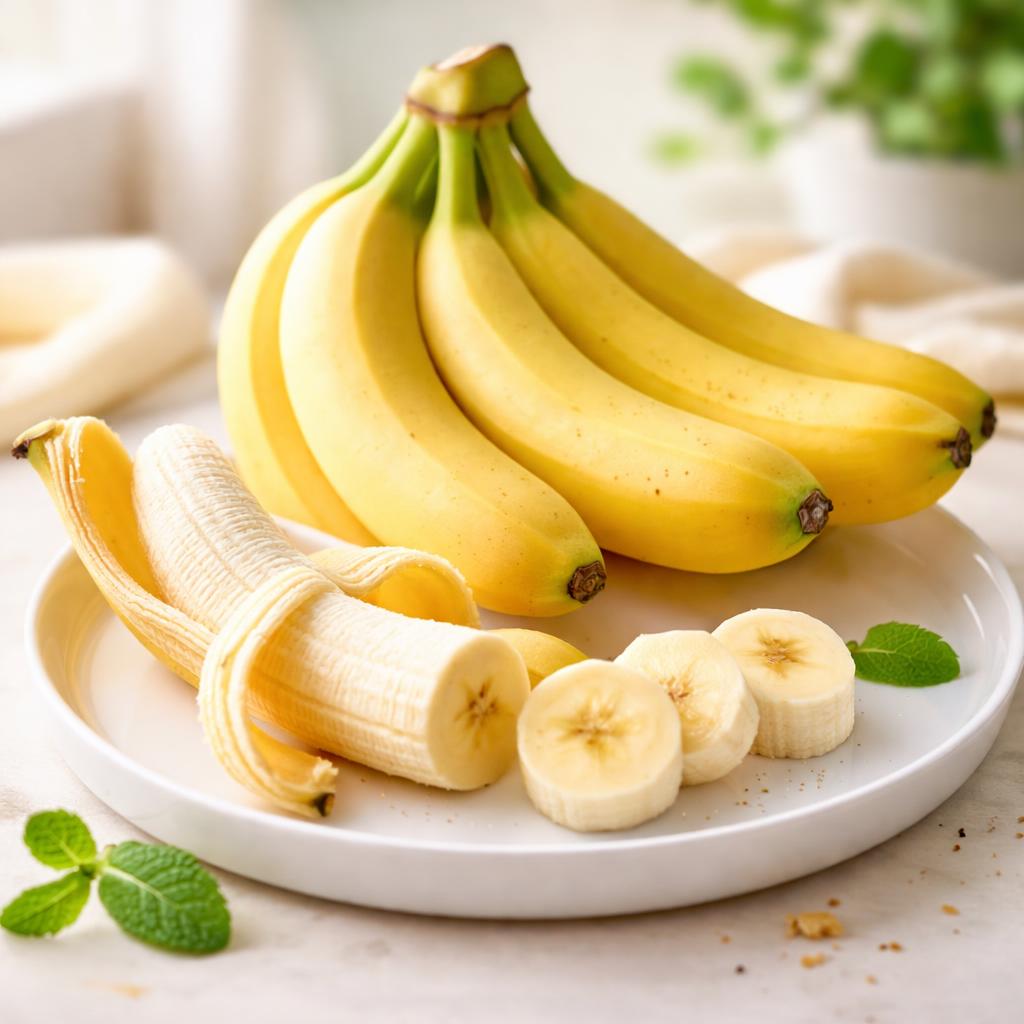
Banana
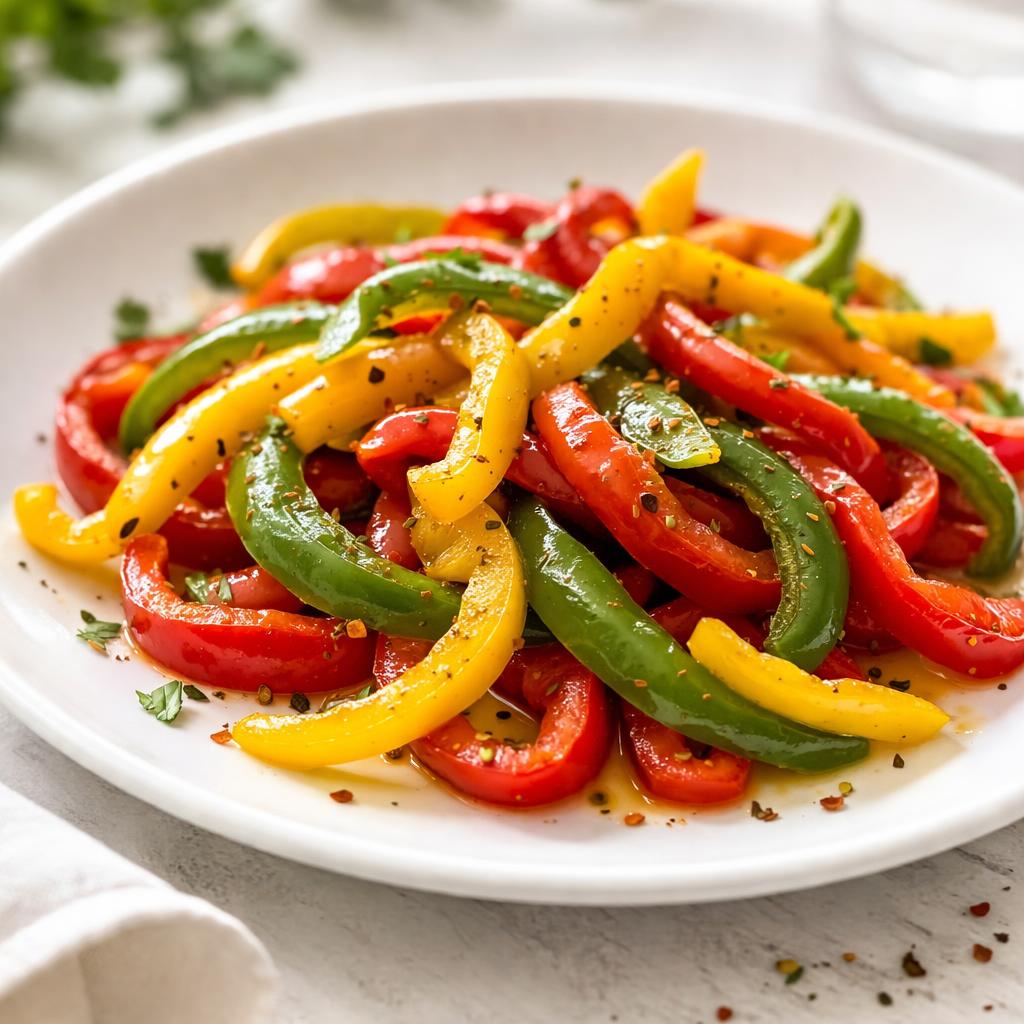
Pepper
🎯 Quick Verdict
Bananas and peppers each serve unique purposes nutritionally. Bananas provide more fiber, carbohydrates, and calories, making them a great energy source for active individuals. Peppers are lower in calories, have slightly more protein, and are packed with vitamin C, making them ideal for boosting immune health and adding micronutrients to a meal.

Smart Nutrition Tracking with SnapCalorie

📊 Nutritional Comparison
Macronutrients
| Nutrient | Food 1 | Food 2 | Winner |
|---|---|---|---|
| Calories | 105 | 25 | − |
| Protein | 1.3g | 1g | − |
| Carbs | 27g | 6g | − |
| Fat | 0.3g | 0g | − |
| Fiber | 3g | 1.5g | − |
Vitamins & Minerals
| Nutrient | Food 1 | Food 2 | Winner |
|---|---|---|---|
| Vitamin C | 10mg | 150mg | − |
| Vitamin B6 | 0.4mg | 0.2mg | − |
| Potassium | 422mg | 211mg | − |
🏆 Category Winners
Protein
Pepper has slightly more protein (1g vs 1.3g per serving).
Fiber
Banana contains 3g of fiber compared to pepper's 1.5g.
Calories
Pepper has significantly fewer calories (25 vs 105 per serving).
Vitamins
Peppers are extremely high in vitamin C (150mg vs 10mg).
🥗 Diet Compatibility
Keto
Food 1: Not Compatible
Food 2: Compatible
Banana is high in carbs, whereas pepper is lower in carbs and more keto-friendly.
Vegan
Food 1: Compatible
Food 2: Compatible
Both foods are plant-based and suitable for vegan diets.
Gluten Free
Food 1: Compatible
Food 2: Compatible
Neither contains gluten.
Paleo
Food 1: Compatible
Food 2: Compatible
Both banana and pepper fit within paleo guidelines.
Low-Carb
Food 1: Not Compatible
Food 2: Compatible
Banana contains 27g of carbs, whereas pepper is low-carb at 6g per serving.
💪 Health Benefits Comparison
Food 1 Benefits
- Rich in potassium for muscle and heart function
- Good source of fiber for digestive health
- Provides sustained energy through natural sugars
Food 2 Benefits
- Excellent source of vitamin C for immune support
- Low in calories and high in water content for hydration
- Contains antioxidants and nutrients that may support eye health
✅ The Bottom Line
Choose bananas for quick energy boosts, fiber, and potassium, particularly post-workout or as a snack. Opt for peppers if you're looking for a low-calorie, nutrient-dense, vitamin C-rich food to complement meals or add flavor and crunch.
Choose Food 1 for: Energy needs, digestion, muscle recovery
Choose Food 2 for: Immune health, hydration, nutrient density with fewer calories


