Banana VS Peanut
A detailed nutritional comparison
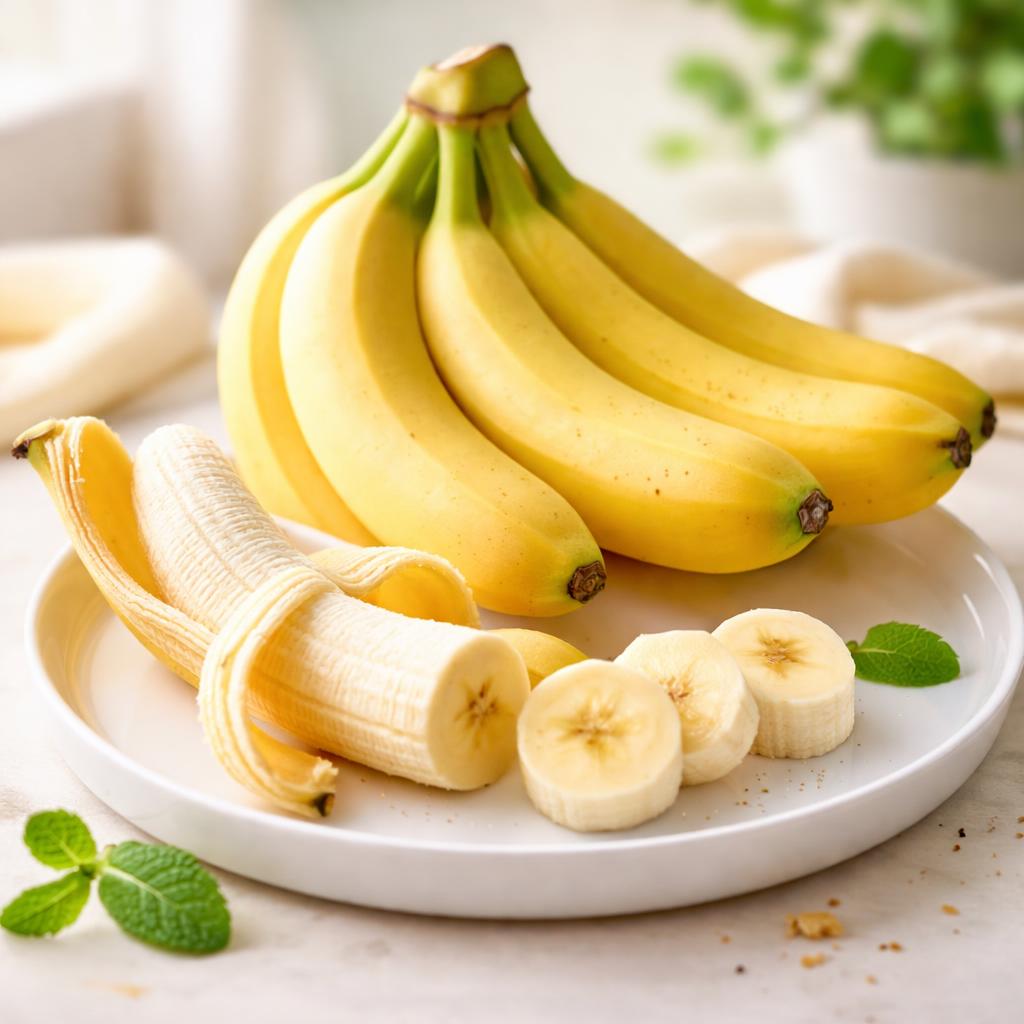
Banana
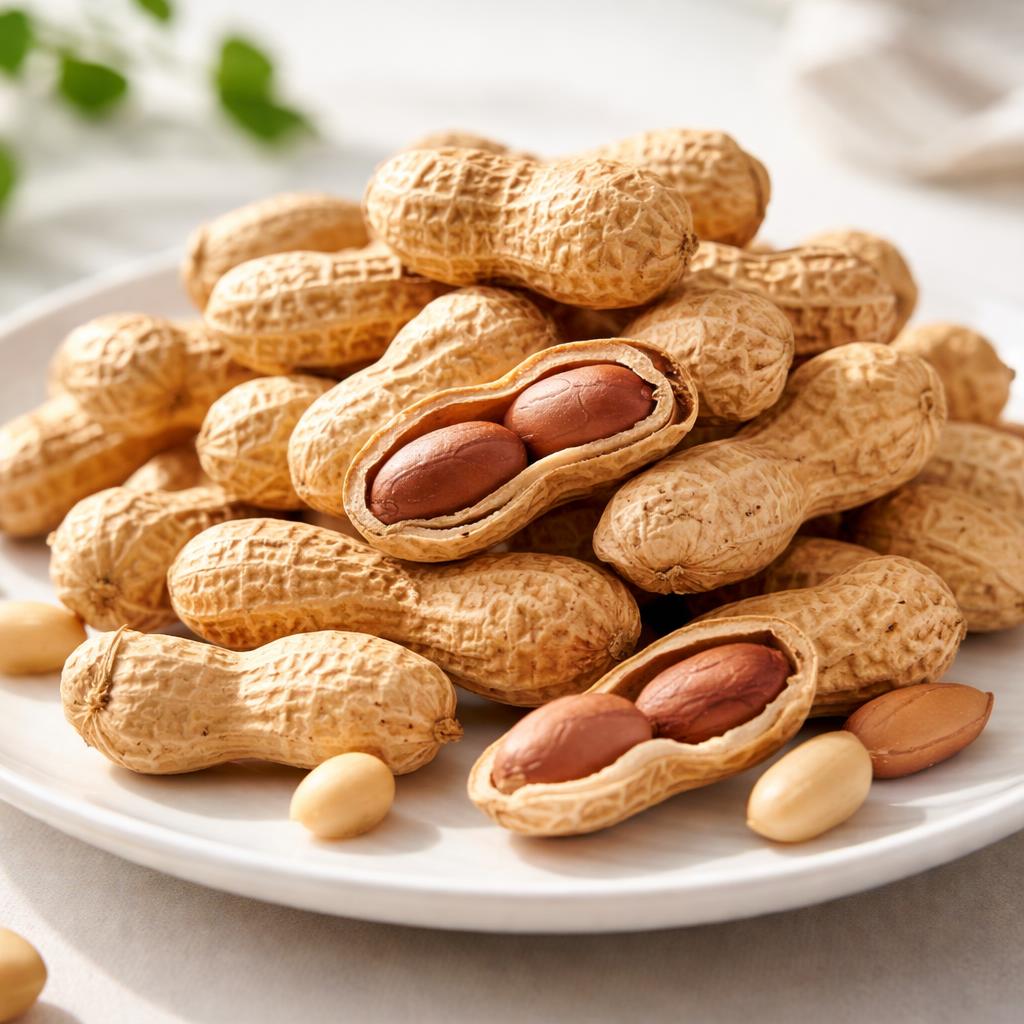
Peanut
🎯 Quick Verdict
Bananas are a low-calorie, carb-rich fruit primarily providing energy, vitamins, and potassium. Peanuts are higher in protein, fiber, and fats, making them better for supporting muscle building and sustaining energy over time. Bananas are ideal for quick energy, while peanuts are suited for nutrient density and satiation.

Smart Nutrition Tracking with SnapCalorie

📊 Nutritional Comparison
Macronutrients
| Nutrient | Food 1 | Food 2 | Winner |
|---|---|---|---|
| Calories | 105 per medium banana | 161 per ounce (28g) | ✓ |
| Protein | 1.3g | 7g | ✓ |
| Carbs | 27g | 4.6g | ✓ |
| Fat | 0.3g | 13.9g | ✓ |
| Fiber | 3.1g | 2.4g | ✓ |
Vitamins & Minerals
| Nutrient | Food 1 | Food 2 | Winner |
|---|---|---|---|
| Vitamin D | 0mcg | 0mcg | − |
| Vitamin C | 10.3mg | 0mg | ✓ |
| Vitamin B6 | 0.4mg | 0.1mg | ✓ |
| Potassium | 422mg | 200mg | ✓ |
| Calcium | 6mg | 26mg | ✓ |
| Iron | 0.3mg | 1mg | ✓ |
🏆 Category Winners
Protein
Peanuts have over 400% more protein than bananas.
Fiber
Peanuts contain slightly more fiber per serving.
Calories
Bananas have fewer calories, making them better for weight management.
Vitamins
Bananas offer higher amounts of Vitamin C and B6, key for immunity and metabolism.
🥗 Diet Compatibility
Keto
Food 1: Not compatible
Food 2: Compatible
Peanuts are low in net carbohydrates, while bananas are high in carbs.
Vegan
Food 1: Compatible
Food 2: Compatible
Both foods are plant-based and suitable for vegan diets.
Gluten Free
Food 1: Compatible
Food 2: Compatible
Neither food contains gluten.
Paleo
Food 1: Compatible
Food 2: Not compatible
Bananas are allowed in paleo diets, but peanuts, as legumes, are not strictly paleo.
Low-Carb
Food 1: Not compatible
Food 2: Compatible
Peanuts are low in carbs, whereas bananas are carb-dense.
💪 Health Benefits Comparison
Food 1 Benefits
- Rich in potassium for heart health and muscle function
- Provides instant energy with natural sugars
- High in Vitamin C for immunity
- Good for digestion due to dietary fiber
Food 2 Benefits
- Excellent source of protein for muscle repair and maintenance
- Rich in healthy fats for satiety and heart health
- Contains iron and calcium for bone and blood health
- Offers antioxidants to reduce inflammation
✅ The Bottom Line
Bananas are a quick, low-calorie energy source ideal for exercise and on-the-go snacks. Peanuts are a nutrient-dense option with protein and fats for sustained energy and muscle support. Choose bananas for immediate energy and hydration, while peanuts work better for long-term satiety and nutrient density.
Choose Food 1 for: Boosting energy, workouts, digestion, immune health
Choose Food 2 for: Muscle-building, keto diets, heart health, satiation


