Banana VS Organic Blueberries
A detailed nutritional comparison
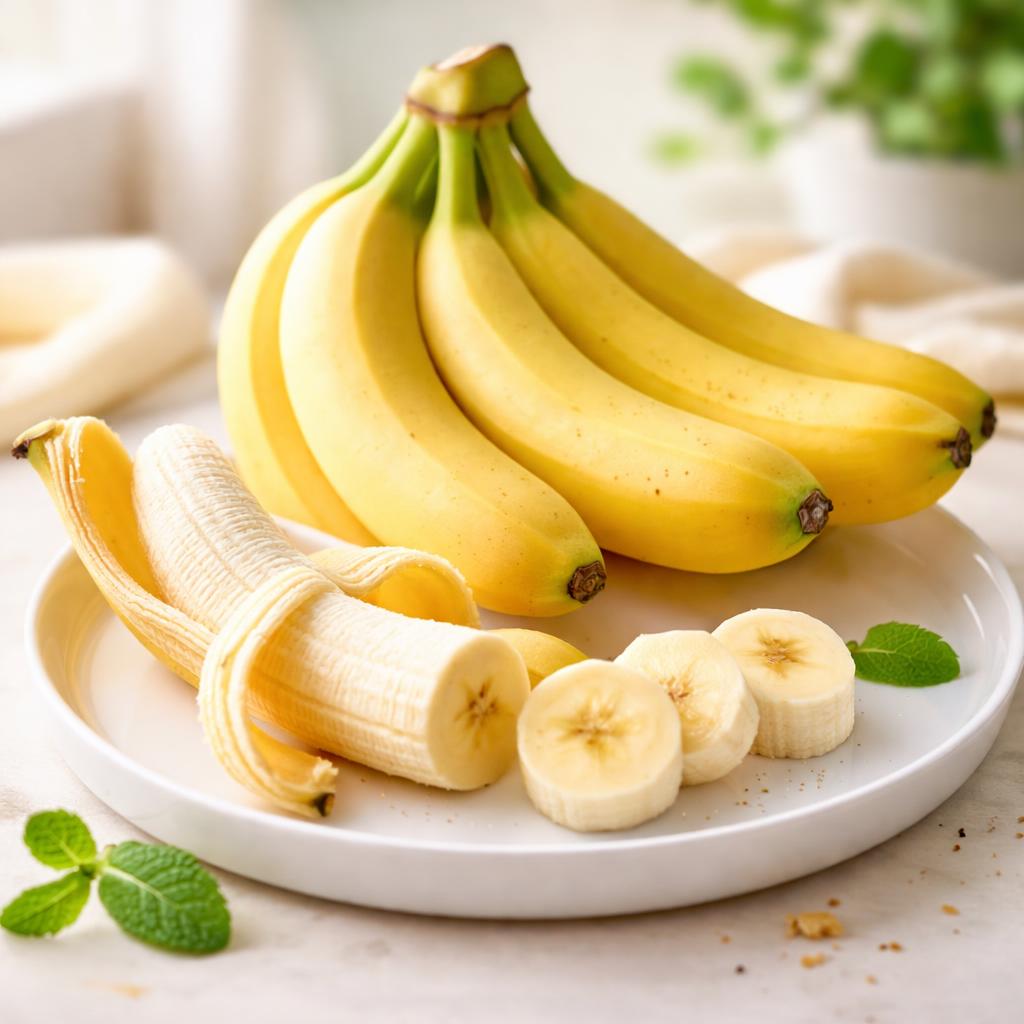
Banana
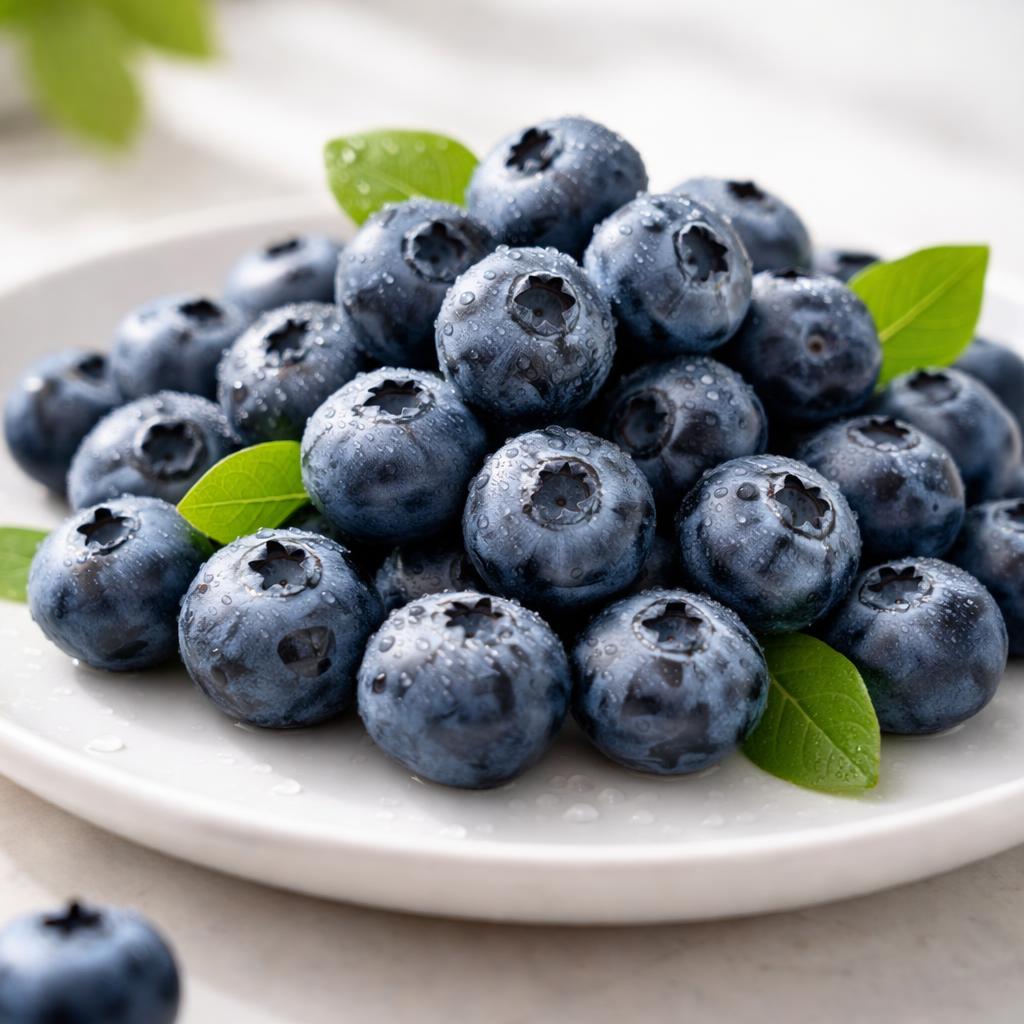
Organic Blueberries
🎯 Quick Verdict
Bananas and organic blueberries are nutrient-dense fruits with distinct advantages. Bananas provide energy due to their higher carb content, while organic blueberries excel in fiber and antioxidant content. Each is suitable for different dietary needs, such as energy boosts (banana) or digestion and heart health (blueberries).

Smart Nutrition Tracking with SnapCalorie

📊 Nutritional Comparison
Macronutrients
| Nutrient | Food 1 | Food 2 | Winner |
|---|---|---|---|
| Calories | 105 | 84 | ✓ |
| Protein | 1.3g | 1.1g | − |
| Carbs | 27g | 21g | ✓ |
| Fat | 0.3g | 0.5g | ✓ |
| Fiber | 3.1g | 3.6g | ✓ |
Vitamins & Minerals
| Nutrient | Food 1 | Food 2 | Winner |
|---|---|---|---|
| Vitamin C | 10mg | 14mg | ✓ |
| Vitamin A | 76IU | 80IU | ✓ |
| Potassium | 422mg | 114mg | ✓ |
| Vitamin K | 0.5mcg | 29mcg | ✓ |
| Antioxidants | Moderate | High | ✓ |
🏆 Category Winners
Protein
Both foods provide a similar amount of protein (1.3g vs 1.1g).
Fiber
Organic blueberries contain slightly more fiber (3.6g vs 3.1g).
Calories
Blueberries are lower in calories (84 vs 105).
Vitamins
Blueberries provide higher levels of Vitamin C, Vitamin K, and antioxidants.
🥗 Diet Compatibility
Keto
Food 1: Not Compatible
Food 2: Not Compatible
Both are high-carb fruits and not ideal for keto diets.
Vegan
Food 1: Compatible
Food 2: Compatible
Both are plant-based and suitable for vegan diets.
Gluten Free
Food 1: Compatible
Food 2: Compatible
Neither contains gluten.
Paleo
Food 1: Compatible
Food 2: Compatible
Both are unprocessed, natural fruits allowed in paleo diets.
Low-Carb
Food 1: Not Compatible
Food 2: Not Compatible
Neither fruit is low-carb due to their natural sugar content.
💪 Health Benefits Comparison
Food 1 Benefits
- High in potassium, supporting heart health and muscle function
- Provides natural energy with easy-to-digest carbohydrates
- Contains fiber to support digestive health
Food 2 Benefits
- Rich in antioxidants, supporting brain health and reducing inflammation
- Good source of fiber for improved digestion and satiety
- High in vitamin C to boost the immune system
✅ The Bottom Line
Both bananas and organic blueberries are nutritious. Choose bananas for a quick energy boost, especially before exercise, and organic blueberries for their superior fiber and antioxidant profile. Each fruit works well in smoothies, snacks, or desserts depending on your dietary priorities.
Choose Food 1 for: Energy boost, potassium source, pre-workout snack
Choose Food 2 for: Improved digestion, antioxidant benefits, immune support


