Banana VS Oreo
A detailed nutritional comparison
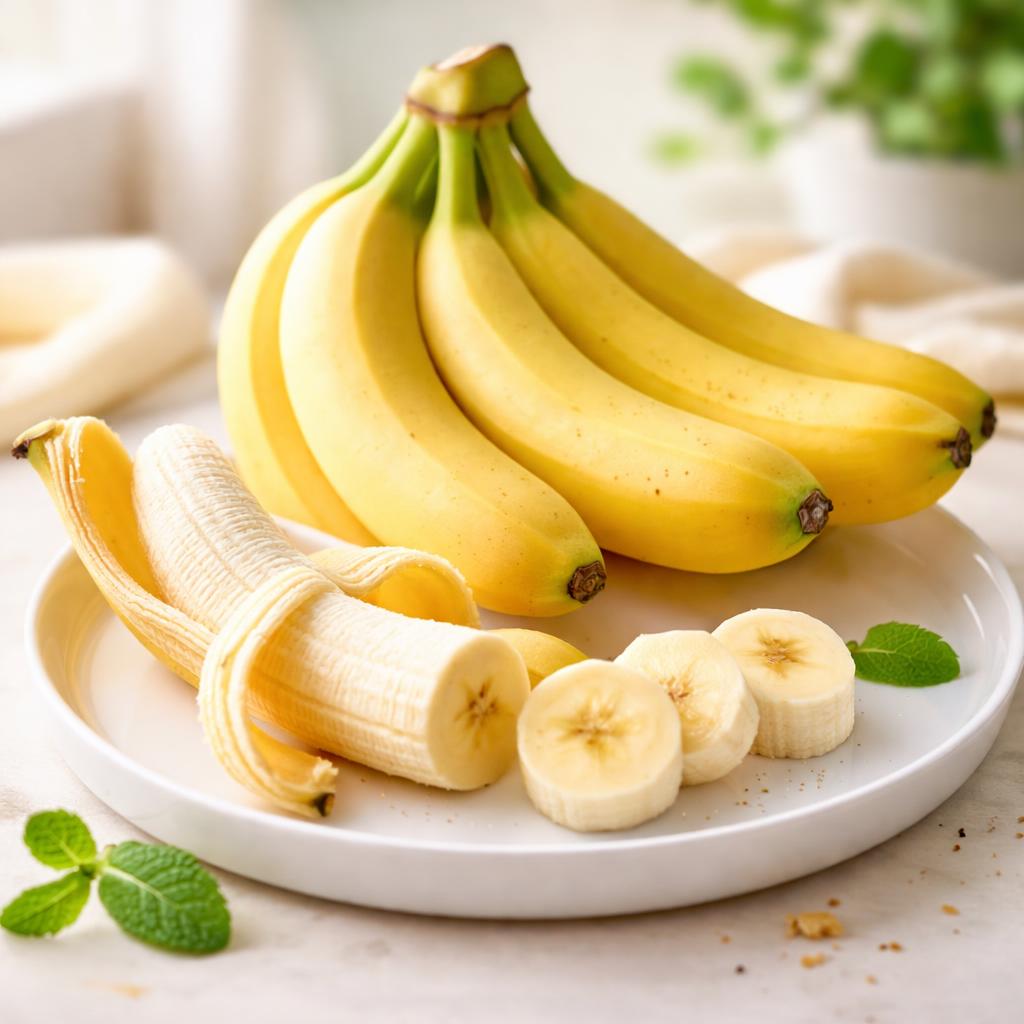
Banana
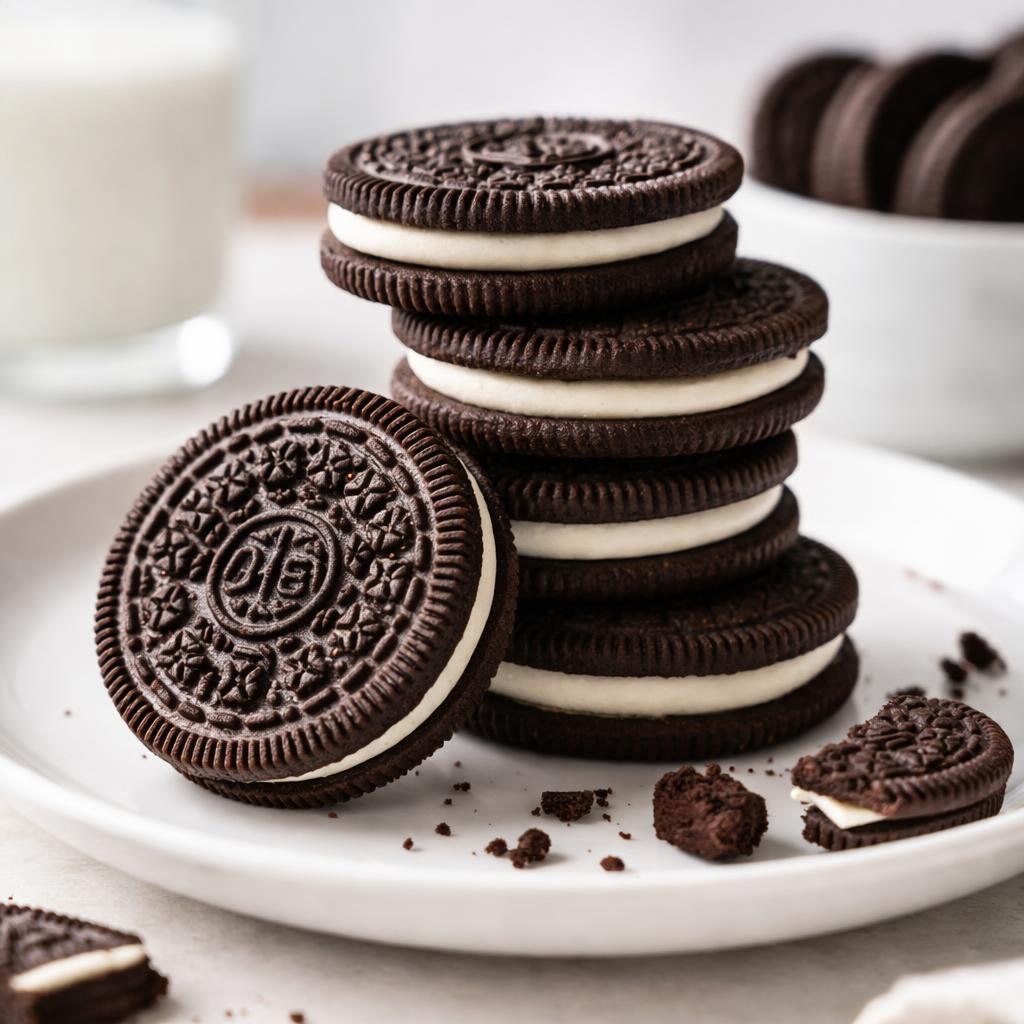
Oreo
🎯 Quick Verdict
Bananas are a natural, nutrient-dense fruit offering fewer calories, more fiber, and essential vitamins compared to Oreos. Oreos, while tasty as a treat, are high in sugar and fat with minimal nutrients. Bananas are ideal for everyday snacking and energy, while Oreos are best for occasional indulgence.

Smart Nutrition Tracking with SnapCalorie

📊 Nutritional Comparison
Macronutrients
| Nutrient | Food 1 | Food 2 | Winner |
|---|---|---|---|
| Calories | 105 | 160 | ✓ |
| Protein | 1.3g | 1.3g | − |
| Carbs | 27g | 25g | ✓ |
| Fat | 0.3g | 7g | ✓ |
| Fiber | 3.1g | 0.9g | ✓ |
| Sugar | 14.4g | 14g | − |
Vitamins & Minerals
| Nutrient | Food 1 | Food 2 | Winner |
|---|---|---|---|
| Vitamin C | 10.3mg | 0mg | ✓ |
| Potassium | 422mg | 23mg | ✓ |
| Calcium | 6mg | 10mg | ✓ |
| Iron | 0.3mg | 1.1mg | ✓ |
🏆 Category Winners
Protein
Both banana and Oreo have similar protein content at 1.3g per serving.
Fiber
Banana provides over 3 times the fiber compared to Oreo.
Calories
Banana has approximately 35% fewer calories than Oreo.
Vitamins
Banana is higher in essential vitamins, particularly Vitamin C and Potassium.
🥗 Diet Compatibility
Keto
Food 1: Not Compatible
Food 2: Not Compatible
Both foods are high in carbs.
Vegan
Food 1: Compatible
Food 2: Compatible
Neither food contains animal products.
Gluten Free
Food 1: Compatible
Food 2: Not Compatible
Banana is naturally gluten-free, whereas Oreos contain wheat flour.
Paleo
Food 1: Compatible
Food 2: Not Compatible
Banana fits Paleo dietary guidelines while Oreos do not due to processed ingredients.
Low-Carb
Food 1: Not Compatible
Food 2: Not Compatible
Both foods are relatively high in carbohydrates.
💪 Health Benefits Comparison
Food 1 Benefits
- Rich in potassium for regulating blood pressure
- Good source of fiber for digestive health
- Provides natural energy from carbohydrates
- Contains Vitamin C for immune system support
Food 2 Benefits
- Can provide a quick energy boost from sugar
- Contains iron for oxygen transport in the body
- Enjoyable as a treat to satisfy sweet cravings
- May pair well with milk for added nutrients
✅ The Bottom Line
Choose banana for everyday nutrition, energy, and health benefits, especially if you prioritize digestion and vitamin intake. Oreos are best reserved as an occasional treat, given their higher fat and sugar content with less nutritional value.
Choose Food 1 for: Healthy snacking, weight management, post-workout recovery
Choose Food 2 for: Dessert indulgence, cheat days, quick sweet cravings


