Banana VS Oranges
A detailed nutritional comparison
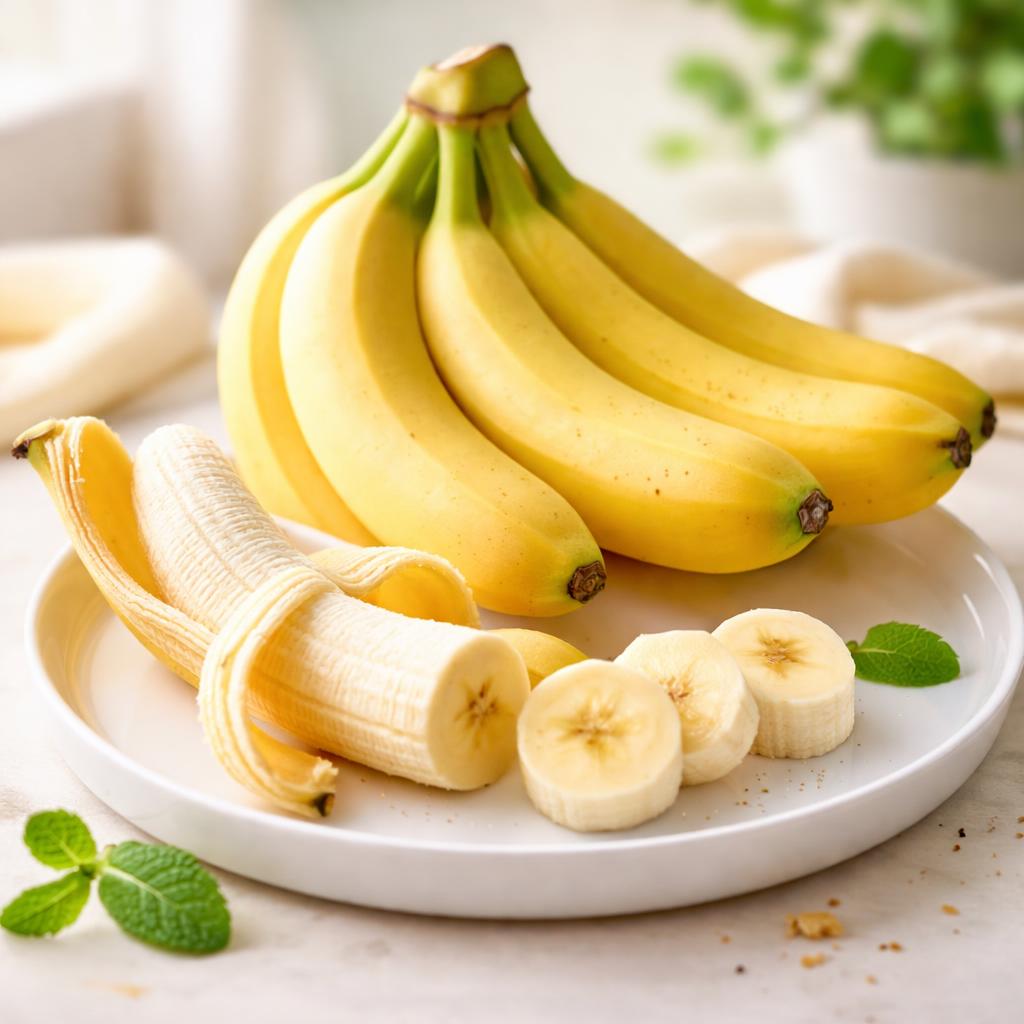
Banana
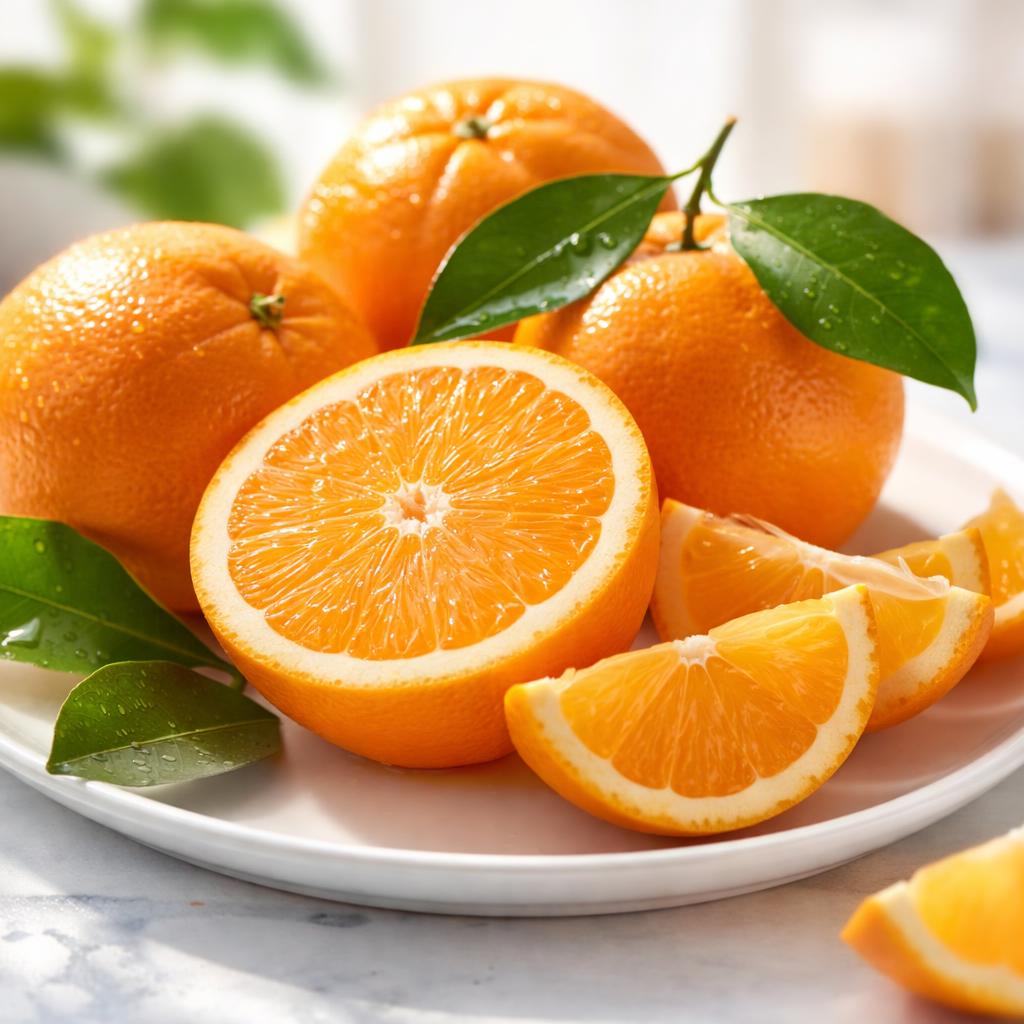
Oranges
🎯 Quick Verdict
Bananas and oranges are nutritious fruits, but they differ in their nutrient profiles. Bananas are higher in carbohydrates and potassium, making them great for quick energy and muscle function, while oranges are lower in calories and rich in vitamin C, making them ideal for immune support and hydration purposes.

Smart Nutrition Tracking with SnapCalorie

📊 Nutritional Comparison
Macronutrients
| Nutrient | Food 1 | Food 2 | Winner |
|---|---|---|---|
| Calories | 105 | 62 | ✓ |
| Protein | 1.3g | 1.2g | − |
| Carbs | 27g | 15g | ✓ |
| Fat | 0.3g | 0.2g | ✓ |
| Fiber | 3.1g | 3g | − |
Vitamins & Minerals
| Nutrient | Food 1 | Food 2 | Winner |
|---|---|---|---|
| Vitamin C | 10mg (11% DV) | 70mg (77% DV) | ✓ |
| Potassium | 422mg (12% DV) | 237mg (6% DV) | ✓ |
| Vitamin A | 76 IU | 295 IU | ✓ |
🏆 Category Winners
Protein
Both foods have roughly 1.3g of protein per serving.
Fiber
Bananas and oranges are closely matched in fiber content at ~3g per serving.
Calories
Oranges have 41% fewer calories per serving, which is advantageous for calorie-conscious diets.
Vitamins
Oranges contain significantly more vitamin C and vitamin A compared to bananas.
🥗 Diet Compatibility
Keto
Food 1: Not Compatible
Food 2: Not Compatible
Both foods are high in carbohydrates and unsuitable for ketogenic diets.
Vegan
Food 1: Compatible
Food 2: Compatible
Both bananas and oranges are plant-based and suitable for vegans.
Gluten Free
Food 1: Compatible
Food 2: Compatible
Neither contains gluten, making both safe for gluten-free diets.
Paleo
Food 1: Compatible
Food 2: Compatible
Both fruits align with paleo dietary principles.
Low Carb
Food 1: Not Compatible
Food 2: Compatible
Oranges are lower in carbs, making them more suitable for low-carb diets.
💪 Health Benefits Comparison
Food 1 Benefits
- Excellent source of potassium to support muscle function and heart health
- Good fiber content to aid digestion
- Provides natural energy and helps recover after workouts
Food 2 Benefits
- High in vitamin C to support immune function and skin health
- Low-calorie food suitable for weight management
- Contains antioxidants that promote overall health
✅ The Bottom Line
Bananas and oranges are both versatile fruits with unique health benefits. Choose bananas for a quick energy boost, muscle recovery, or to increase potassium intake, while oranges are perfect for hydration, boosting immunity, or when managing calories. Both are excellent as part of a balanced diet.
Choose Food 1 for: Quick energy, muscle recovery, post-workout snacks
Choose Food 2 for: Low-calorie diets, immune health, hydration


