Banana VS Oat Milk Latte
A detailed nutritional comparison
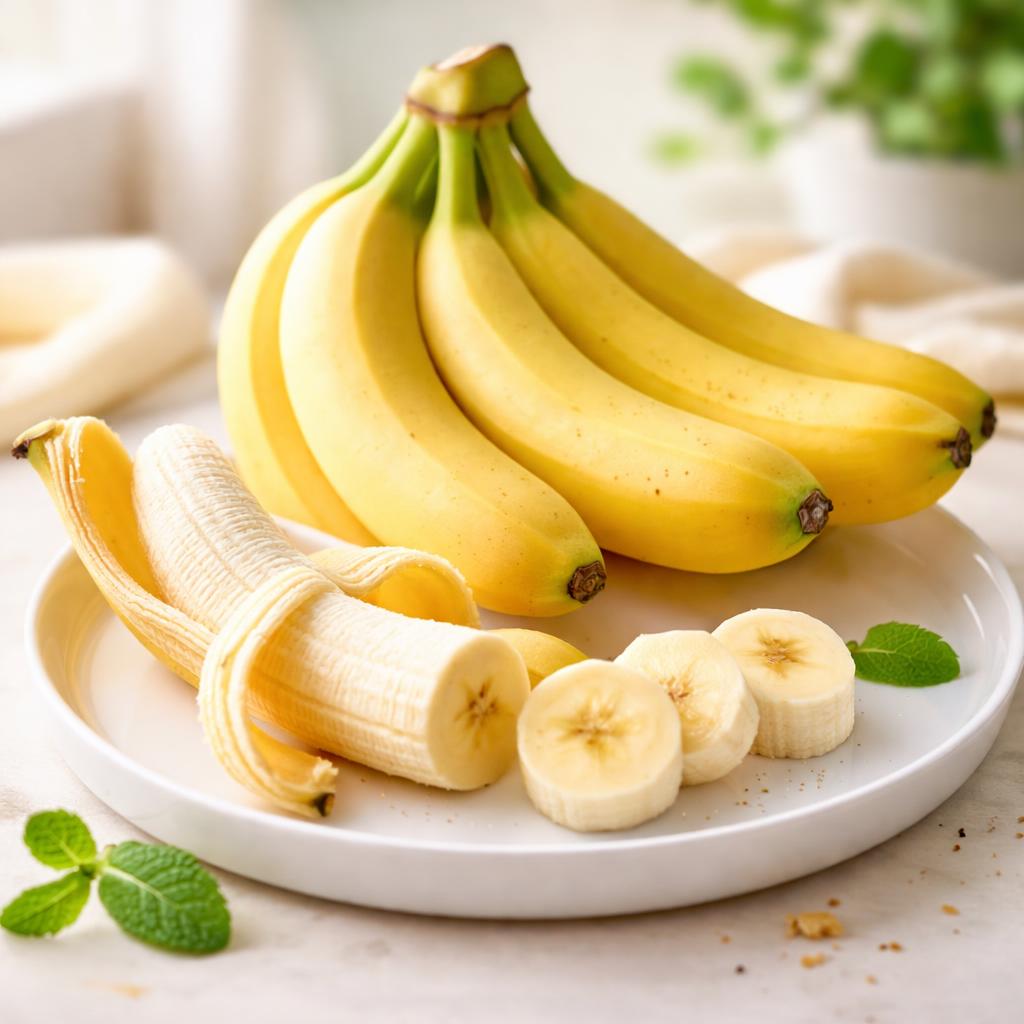
Banana

Oat Milk Latte
🎯 Quick Verdict
Bananas are lower in calories and higher in fiber compared to oat milk lattes, making them ideal for quick digestion and energy. Oat milk lattes have more protein and are better suited for those looking for a plant-based protein source in their beverage. Both options are vegan, but their usage depends on energy and macro preferences.

Smart Nutrition Tracking with SnapCalorie

📊 Nutritional Comparison
Macronutrients
| Nutrient | Food 1 | Food 2 | Winner |
|---|---|---|---|
| Calories | 105 | 180 | ✓ |
| Protein | 1.3g | 3g | ✓ |
| Carbs | 27g | 22g | ✓ |
| Fat | 0.3g | 7g | ✓ |
| Fiber | 3.1g | 2g | ✓ |
Vitamins & Minerals
| Nutrient | Food 1 | Food 2 | Winner |
|---|---|---|---|
| Vitamin D | 0mcg | 2.5mcg | ✓ |
| Calcium | 5mg | 350mg | ✓ |
| Iron | 0.3mg | 0.7mg | ✓ |
| Potassium | 422mg | 150mg | ✓ |
🏆 Category Winners
Protein
Oat milk latte has over twice the protein of a banana.
Fiber
Banana offers 55% more fiber.
Calories
Banana contains 42% fewer calories.
Vitamins
Oat milk latte is fortified with calcium and vitamin D, while banana is more potassium-rich.
🥗 Diet Compatibility
Keto
Food 1: Not Compatible
Food 2: Not Compatible
Both foods are too high in carbs for a keto diet.
Vegan
Food 1: Compatible
Food 2: Compatible
Both foods are plant-based.
Gluten Free
Food 1: Compatible
Food 2: Not Compatible
Bananas are naturally gluten-free. Oat milk lattes may contain gluten unless certified gluten-free.
Paleo
Food 1: Compatible
Food 2: Not Compatible
Bananas fit paleo guidelines; oat milk lattes do not due to processed ingredients.
Low-Carb
Food 1: Not Compatible
Food 2: Not Compatible
Both foods are high in carbs and not ideal for low-carb diets.
💪 Health Benefits Comparison
Food 1 Benefits
- Great source of quick-digesting carbohydrates for energy
- Rich in potassium, supporting muscle function and heart health
- Contains dietary fiber to promote digestive health
- Low-calorie snack option for weight management
Food 2 Benefits
- Provides plant-based protein, supporting muscle maintenance
- Fortified with calcium and vitamin D for bone health
- Healthy fats from oat milk can support heart health
- A balanced energy source when combined with caffeine
✅ The Bottom Line
Choose bananas for a quick, low-calorie, and fiber-rich snack that boosts potassium and supports digestive health. Opt for oat milk lattes if you need a plant-based protein source or want a fortified beverage with calcium and vitamin D. Both can complement vegan diets but suit different lifestyle needs.
Choose Food 1 for: Quick energy, low-calorie snacks, digestion support
Choose Food 2 for: Plant-based protein, bone health, sustained energy


