Banana VS Nuts
A detailed nutritional comparison
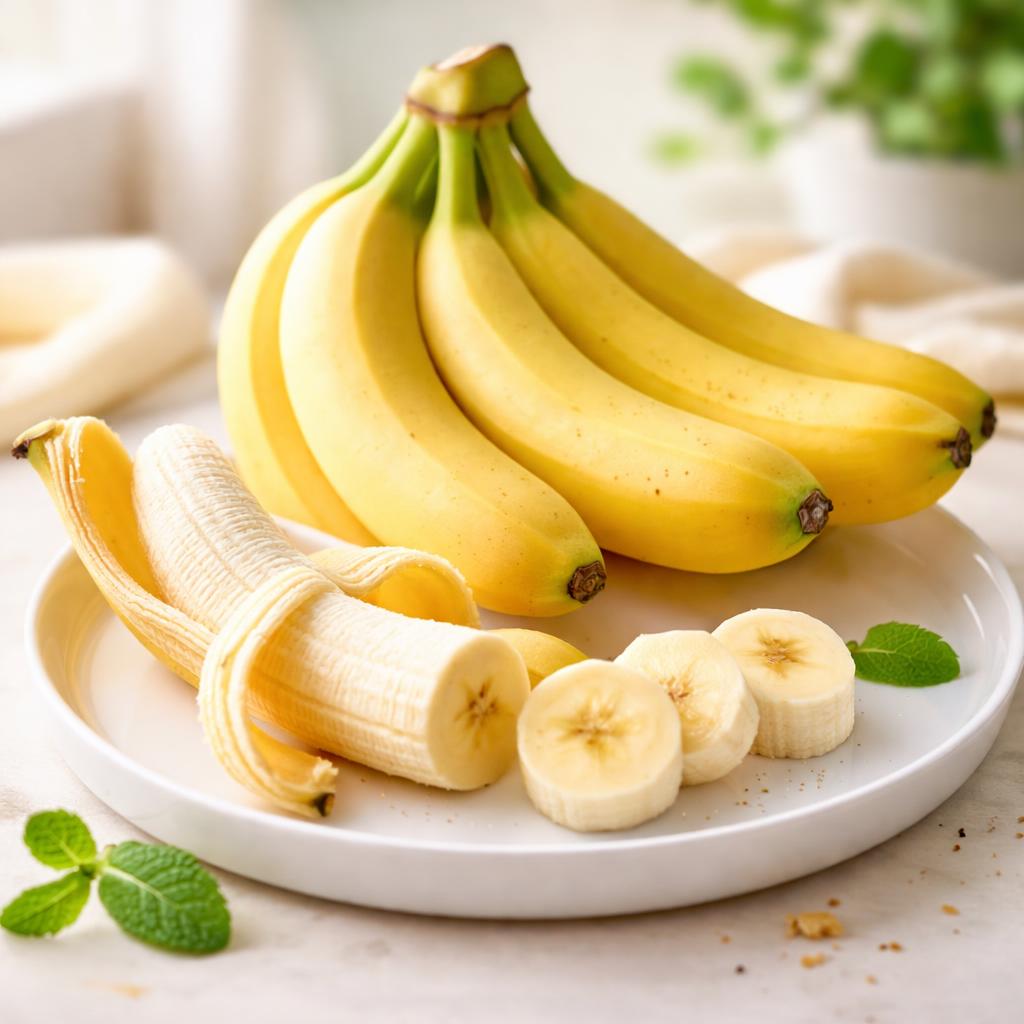
Banana
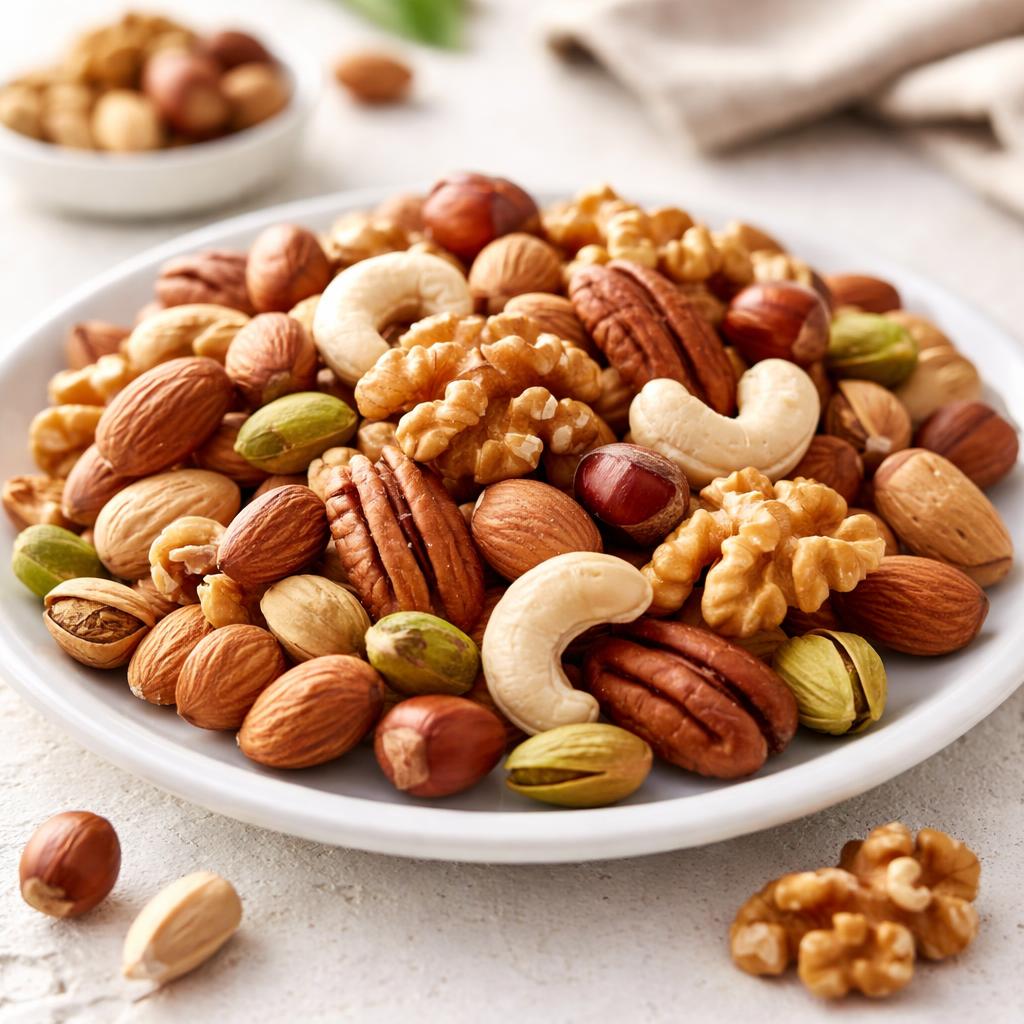
Nuts
🎯 Quick Verdict
Bananas and nuts serve very different nutritional purposes. Bananas are low-calorie and carb-rich, making them ideal for quick energy or pre-workout snacks. Nuts, on the other hand, are dense in protein, healthy fats, and fiber, making them better for satiety and heart health. Both are nutrient-dense choices but cater to different dietary goals.

Smart Nutrition Tracking with SnapCalorie

📊 Nutritional Comparison
Macronutrients
| Nutrient | Food 1 | Food 2 | Winner |
|---|---|---|---|
| Calories | 89 | 200 | ✓ |
| Protein | 1.1g | 5g | ✓ |
| Carbs | 23g | 7g | ✓ |
| Fat | 0.3g | 18g | ✓ |
| Fiber | 2.6g | 3g | ✓ |
Vitamins & Minerals
| Nutrient | Food 1 | Food 2 | Winner |
|---|---|---|---|
| Vitamin C | 10mg | 1mg | ✓ |
| Vitamin B6 | 0.4mg | 0.1mg | ✓ |
| Calcium | 5mg | 20mg | ✓ |
| Iron | 0.3mg | 1mg | ✓ |
🏆 Category Winners
Protein
Food2 (nuts) contains over 4 times more protein per serving than bananas.
Fiber
Nuts edge out bananas in fiber content, supporting digestive health better.
Calories
Bananas have less than half the calories of nuts, making them more suitable for calorie-restricted diets.
Vitamins
Bananas are richer in vitamin C and vitamin B6, important for immune health and energy metabolism.
🥗 Diet Compatibility
Keto
Food 1: Not Compatible
Food 2: Compatible
Food2 is low-carb, while Food1 is high in carbs (23g per serving).
Vegan
Food 1: Compatible
Food 2: Compatible
Both are plant-based and suitable for vegan diets.
Gluten Free
Food 1: Compatible
Food 2: Compatible
Neither contains gluten.
Paleo
Food 1: Compatible
Food 2: Compatible
Both are whole, natural foods aligned with paleo principles.
Low-Carb
Food 1: Not Compatible
Food 2: Compatible
Food1 is high in carbs, while nuts are low-carb and high-fat.
💪 Health Benefits Comparison
Food 1 Benefits
- Rich in quick-digesting carbs for energy
- High in potassium to support heart and muscle function
- Contains vitamin C for immune health
- Good source of vitamin B6 for brain function
Food 2 Benefits
- High in protein for muscle repair and satiety
- Packed with monounsaturated fats for heart health
- Rich in fiber for better digestion
- Contains antioxidants which reduce inflammation
✅ The Bottom Line
Bananas and nuts are both nutrient-rich options but serve different purposes. Choose bananas for quick energy or when low-calorie snacks are needed. Opt for nuts when you need a nutrient-dense source of protein, fats, and fiber for long-term satiety and overall health.
Choose Food 1 for: Pre-workout energy, low-calorie snacks, immune support
Choose Food 2 for: Heart health, satiating snacks, keto or low-carb diets


