Banana VS Milkshake
A detailed nutritional comparison
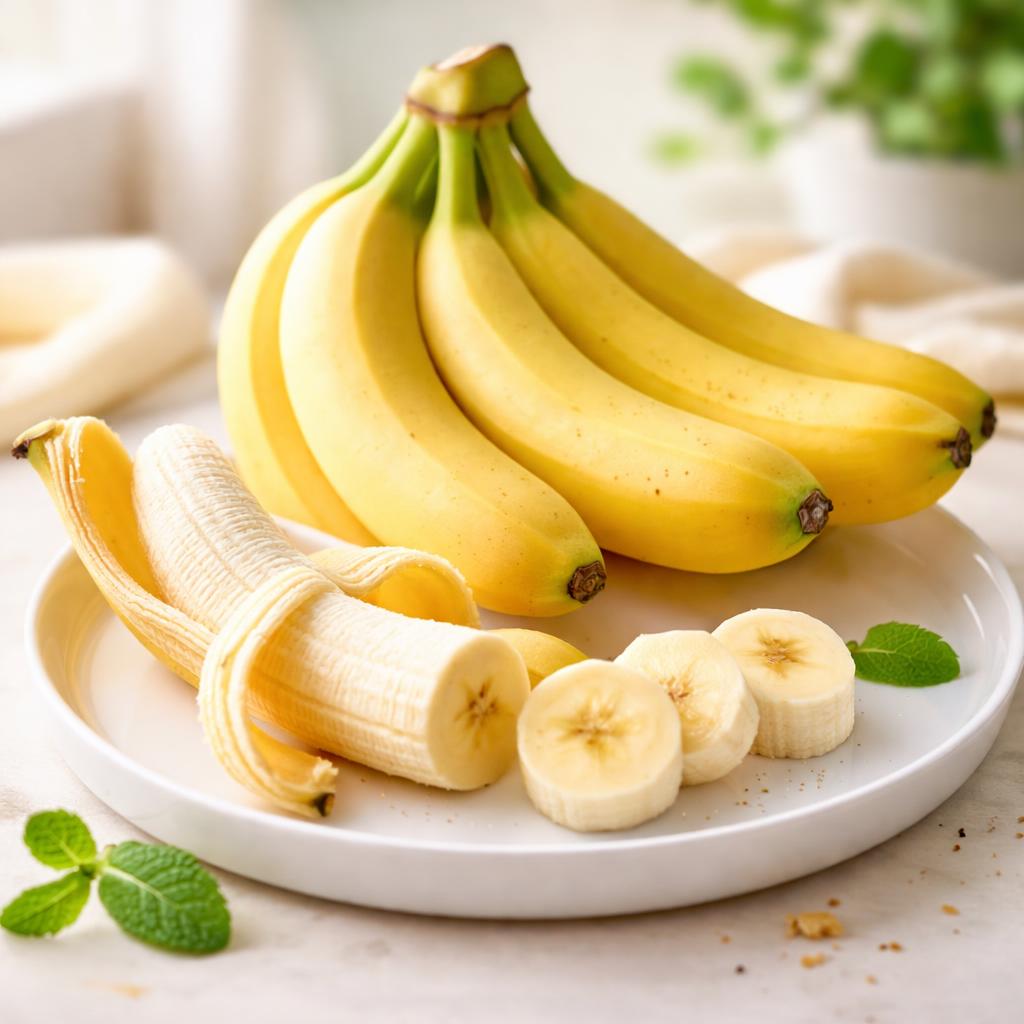
Banana
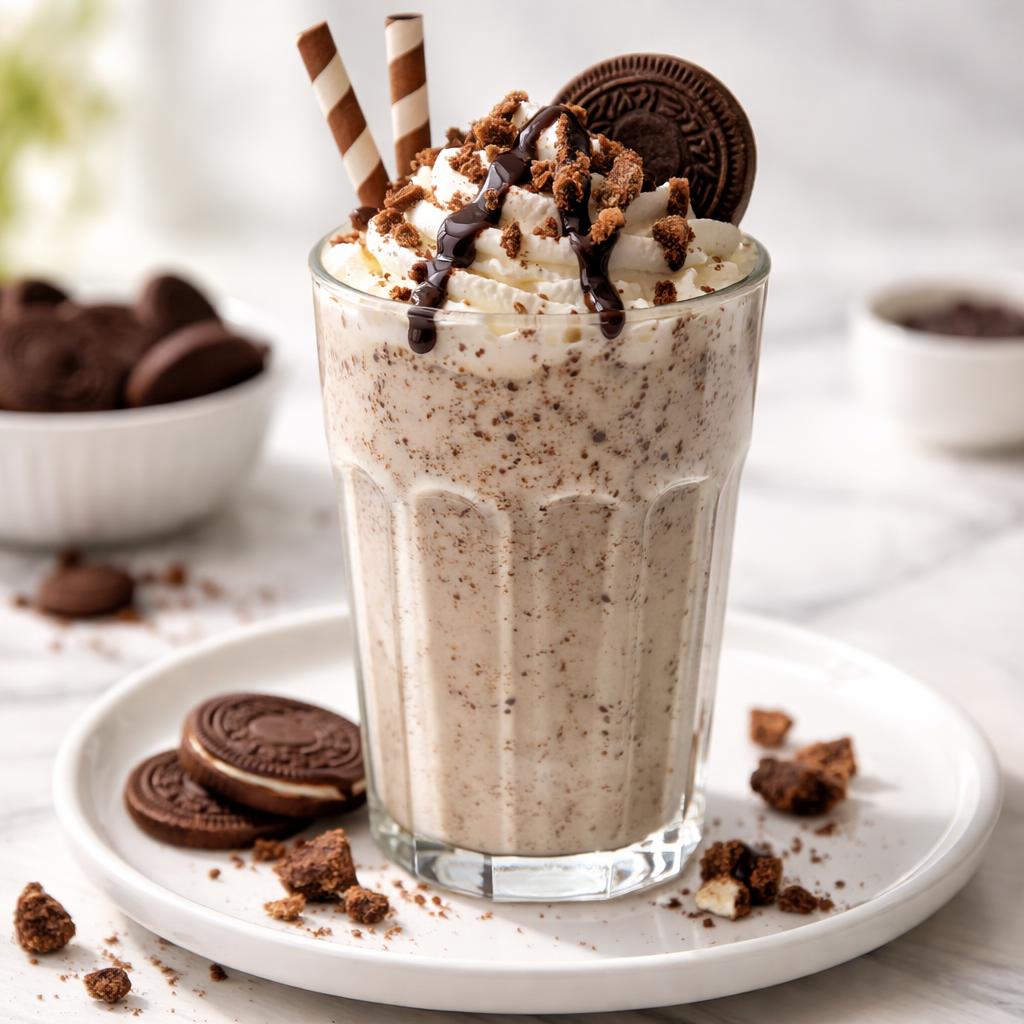
Milkshake
🎯 Quick Verdict
Bananas are a nutrient-dense fruit with lower calories, higher fiber, and more essential vitamins, making them ideal for healthy snacking and digestion. Milkshakes, however, are richer in protein and calories, catering to energy and muscle repair but are less suitable for weight management due to higher sugar and fat content.

Smart Nutrition Tracking with SnapCalorie

📊 Nutritional Comparison
Macronutrients
| Nutrient | Food 1 | Food 2 | Winner |
|---|---|---|---|
| Calories | 105 | 230 | ✓ |
| Protein | 1.3g | 8g | ✓ |
| Carbs | 27g | 30g | ✓ |
| Fat | 0.3g | 10g | ✓ |
| Fiber | 3g | 0g | ✓ |
Vitamins & Minerals
| Nutrient | Food 1 | Food 2 | Winner |
|---|---|---|---|
| Vitamin C | 10mg | 0mg | ✓ |
| Vitamin D | 0mcg | 2mcg | ✓ |
| Calcium | 5mg | 250mg | ✓ |
| Potassium | 422mg | 360mg | ✓ |
🏆 Category Winners
Protein
Milkshake has 8g of protein per serving, significantly higher than banana's 1.3g.
Fiber
Banana contains 3g of fiber, while milkshake has none.
Calories
Banana is lower calorie with approximately 105 calories, compared to milkshake's 230.
Vitamins
Banana is richer in Vitamin C and potassium, whereas milkshake provides Vitamin D and calcium.
🥗 Diet Compatibility
Keto
Food 1: Not Compatible
Food 2: Not Compatible
Both foods are high in carbs, unsuitable for keto diet plans.
Vegan
Food 1: Compatible
Food 2: Not Compatible
Banana is plant-based, while milkshake contains dairy.
Gluten Free
Food 1: Compatible
Food 2: Compatible
Neither food contains gluten.
Paleo
Food 1: Compatible
Food 2: Not Compatible
Banana fits paleo guidelines, but milkshake does not due to processed ingredients.
Low Carb
Food 1: Not Compatible
Food 2: Not Compatible
Both foods exceed typical low-carb thresholds with over 20g of carbs.
💪 Health Benefits Comparison
Food 1 Benefits
- Rich in potassium to support heart and muscle function
- High in fiber for gut health and digestion
- Contains natural sugars for quick energy
- Good source of Vitamin C for immune support
Food 2 Benefits
- Good source of protein for muscle recovery and repair
- Contains calcium for strong bones and teeth
- Provides Vitamin D for improved calcium absorption
- High in fats for sustained energy, although best consumed in moderation
✅ The Bottom Line
Choose banana for low-calorie, high-fiber snacking and improving digestion. Opt for milkshake if you need a protein-rich drink post-workout or as a calorie-dense energy source, but limit it for weight management goals.
Choose Food 1 for: Healthy snacking, weight loss diets, digestion support
Choose Food 2 for: Post-workout recovery, energy boost, nutrient density


