Banana VS Mango Puree
A detailed nutritional comparison
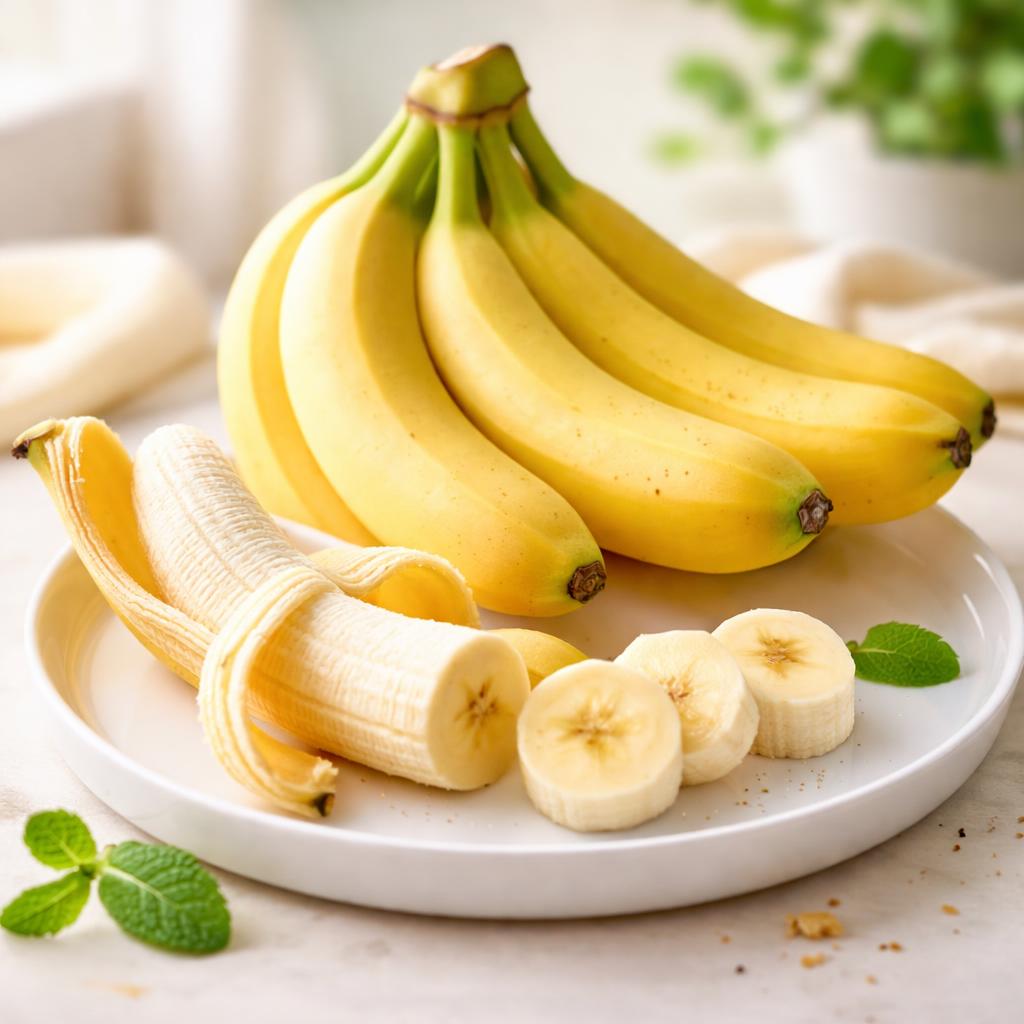
Banana
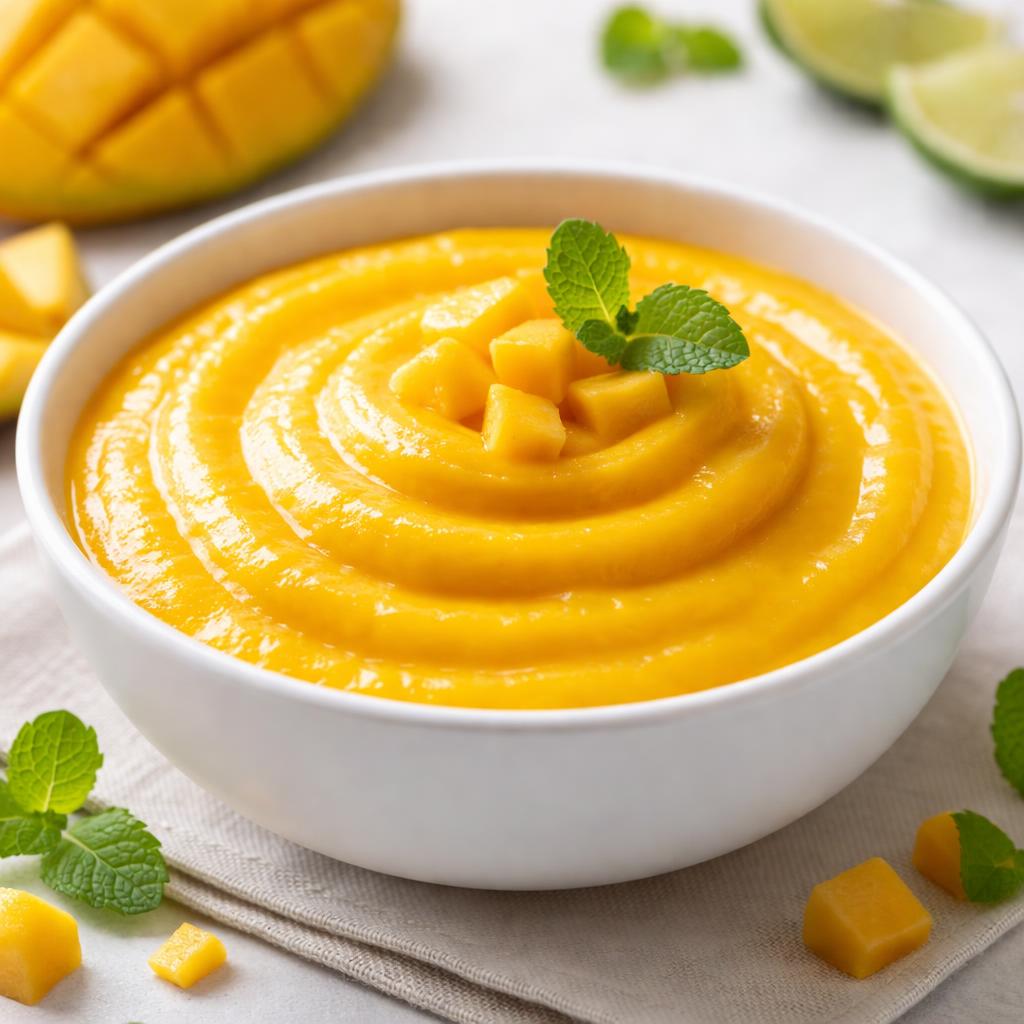
Mango Puree
🎯 Quick Verdict
Bananas are lower in calories, higher in fiber, and a more balanced snack for sustained energy. Mango puree is richer in natural sugars and provides more vitamin A. Both are nutrient-dense, but bananas are better for digestion and portion control, while mango puree works well in smoothies and recipes requiring sweetness.

Smart Nutrition Tracking with SnapCalorie

📊 Nutritional Comparison
Macronutrients
| Nutrient | Food 1 | Food 2 | Winner |
|---|---|---|---|
| Calories | 105 | 130 | ✓ |
| Protein | 1.3g | 1.2g | − |
| Carbs | 27g | 33g | ✓ |
| Fat | 0.3g | 0.4g | ✓ |
| Fiber | 3.1g | 2g | ✓ |
Vitamins & Minerals
| Nutrient | Food 1 | Food 2 | Winner |
|---|---|---|---|
| Vitamin C | 10mg | 28mg | ✓ |
| Vitamin A | 76IU | 1262IU | ✓ |
| Potassium | 422mg | 175mg | ✓ |
🏆 Category Winners
Protein
Both foods have similar protein quantities, around 1.3g per serving.
Fiber
Bananas have 55% more fiber, aiding digestive health.
Calories
Bananas have fewer calories, making them a better option for weight control.
Vitamins
Mango puree leads in vitamins like C and A, bolstering immune support and eye health.
🥗 Diet Compatibility
Keto
Food 1: Not Compatible
Food 2: Not Compatible
Both are high in carbs.
Vegan
Food 1: Compatible
Food 2: Compatible
Both are plant-based and vegan-friendly.
Gluten Free
Food 1: Compatible
Food 2: Compatible
Neither contains gluten.
Paleo
Food 1: Compatible
Food 2: Compatible
Both are unprocessed, whole foods.
Low-Carb
Food 1: Not Compatible
Food 2: Not Compatible
Neither food fits low-carb diets due to their high carb content.
💪 Health Benefits Comparison
Food 1 Benefits
- Great source of potassium for heart and muscle function
- High in fiber to support digestion
- Provides natural energy for pre-workout or mid-day snacks
Food 2 Benefits
- Rich in vitamin C for skin and immune health
- High in vitamin A for eye health and antioxidant properties
- Provides natural sweetness for recipes or desserts
✅ The Bottom Line
Bananas are the better choice for daily snacking, digestion, and energy balance, while mango puree is excellent for boosting vitamins C and A intake and adding sweetness to recipes. Consider your needs: bananas for portion control and fiber; mango puree for a vitamin-packed, sweeter option.
Choose Food 1 for: Digestive health, potassium intake, sustained energy
Choose Food 2 for: Sweetness in recipes, vitamin A and C boost, immune support


