Banana VS Mango
A detailed nutritional comparison

Banana
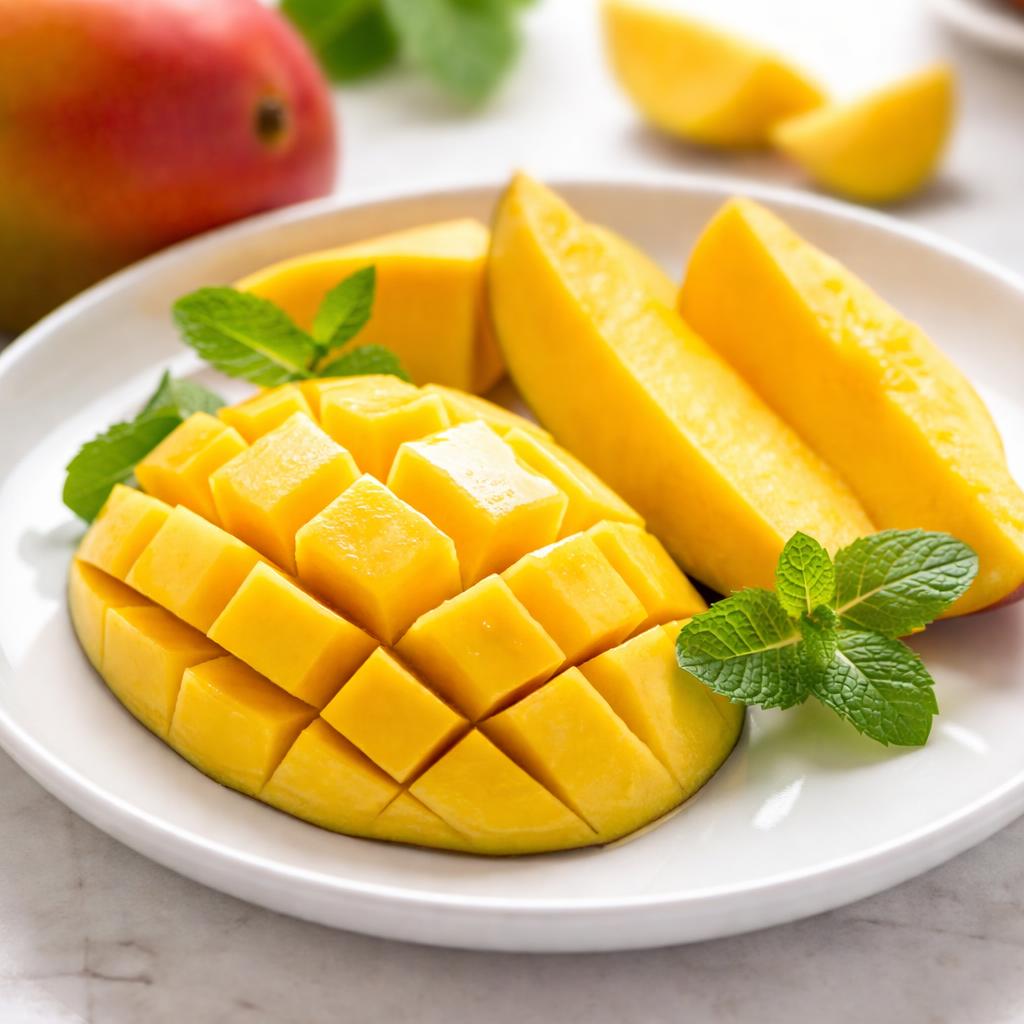
Mango
🎯 Quick Verdict
Bananas and mangos are nutrient-rich fruits with unique benefits. Bananas have slightly fewer calories and more fiber, making them excellent for digestion and weight management. Mangos offer more vitamin C and vitamin A, supporting immunity and eye health, ideal for an antioxidant boost. Both are versatile and delicious for different dietary needs.

Smart Nutrition Tracking with SnapCalorie

📊 Nutritional Comparison
Macronutrients
| Nutrient | Food 1 | Food 2 | Winner |
|---|---|---|---|
| Calories | 105 | 99 | − |
| Protein | 1.3g | 1.4g | − |
| Carbs | 27g | 25g | − |
| Fat | 0.3g | 0.6g | − |
| Fiber | 3.1g | 2.6g | − |
Vitamins & Minerals
| Nutrient | Food 1 | Food 2 | Winner |
|---|---|---|---|
| Vitamin C | 10mg | 36mg | − |
| Vitamin A | 76mcg | 900mcg | − |
| Vitamin B6 | 0.4mg | 0.1mg | − |
🏆 Category Winners
Protein
Both have nearly identical protein content.
Fiber
Banana contains slightly more fiber (3.1g vs 2.6g per serving).
Calories
Banana has marginally fewer calories (105 vs 99).
Vitamins
Mango is richer in vitamin C and vitamin A but lower in B6.
🥗 Diet Compatibility
Keto
Food 1: Not Compatible
Food 2: Not Compatible
Both are high in carbohydrates, typical of fruits.
Vegan
Food 1: Compatible
Food 2: Compatible
Both are plant-based and suitable for vegan diets.
Gluten Free
Food 1: Compatible
Food 2: Compatible
Neither contains any gluten.
Paleo
Food 1: Compatible
Food 2: Compatible
Both are whole, unprocessed fruits that fit paleo guidelines.
Low Carb
Food 1: Not Compatible
Food 2: Not Compatible
Both are relatively high in carbs (over 25g per serving).
💪 Health Benefits Comparison
Food 1 Benefits
- Rich in potassium, supporting heart health and blood pressure regulation
- Provides dietary fiber, aiding digestion and promoting satiety
- Contains vitamin B6, essential for brain development and function
Food 2 Benefits
- Excellent source of vitamins C and A, boosting immunity and promoting skin and eye health
- Packed with antioxidants, helping to combat oxidative stress
- Contains enzymes like amylases, aiding digestion
✅ The Bottom Line
Bananas are great for a fiber-rich snack and post-workout recovery, while mangos provide a vitamin-rich antioxidant boost. Choose bananas for digestive health and fewer calories, and mangos for vibrant flavor and abundant vitamin C.
Choose Food 1 for: Weight management, digestive health, quick energy boost
Choose Food 2 for: Skin and eye health, antioxidant benefits, tropical recipes


