Banana VS Jelly
A detailed nutritional comparison
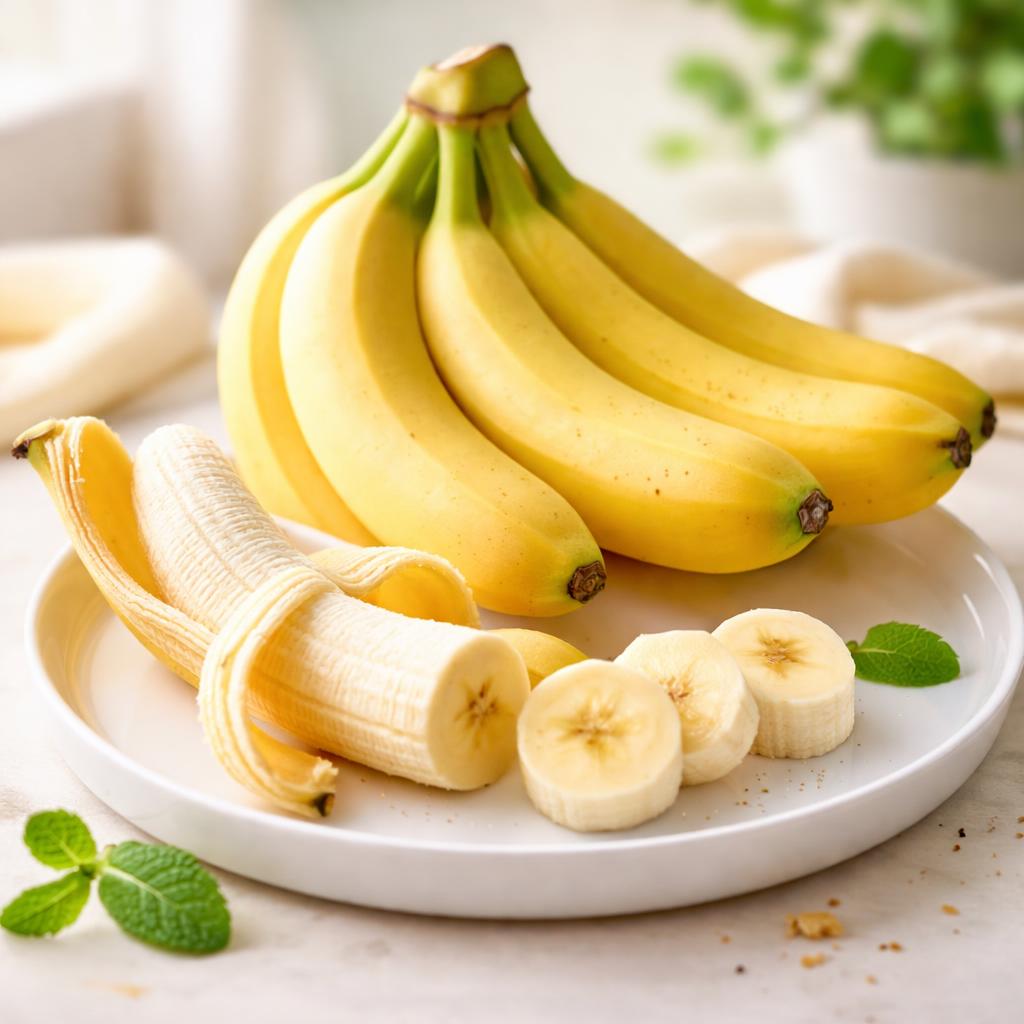
Banana
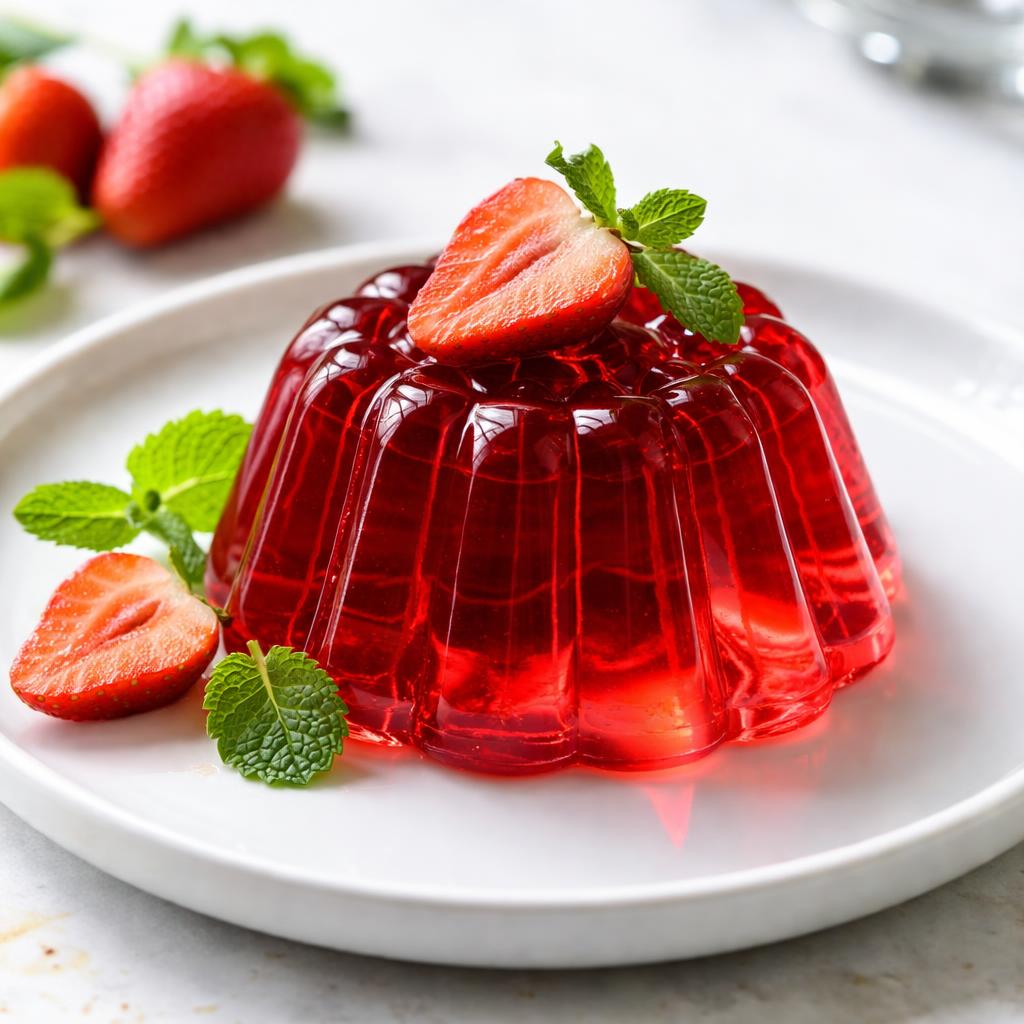
Jelly
🎯 Quick Verdict
Bananas and jelly differ greatly in nutritional content. Bananas are rich in fiber, potassium, and provide natural sugars paired with essential vitamins, while jelly is mostly sugar with minimal nutritional benefits. Bananas are better for sustained energy and health benefits, while jelly is primarily a quick source of carbs for energy spikes or dessert toppings.

Smart Nutrition Tracking with SnapCalorie

📊 Nutritional Comparison
Macronutrients
| Nutrient | Food 1 | Food 2 | Winner |
|---|---|---|---|
| Calories | 105 | 53 | ✓ |
| Protein | 1.3g | 0g | ✓ |
| Carbs | 27g | 14g | ✓ |
| Fat | 0.3g | 0g | ✓ |
| Fiber | 3.1g | 0g | ✓ |
Vitamins & Minerals
| Nutrient | Food 1 | Food 2 | Winner |
|---|---|---|---|
| Vitamin C | 10mg | 0mg | ✓ |
| Potassium | 422mg | 0mg | ✓ |
| Vitamin B6 | 0.4mg | 0mg | ✓ |
🏆 Category Winners
Protein
Banana offers 1.3g of protein while jelly has none.
Fiber
Banana contains 3.1g of fiber whereas jelly has none.
Calories
Jelly is lower in calories at 53 per serving compared to banana's 105.
Vitamins
Banana is rich in Vitamin C, potassium, and B6, whereas jelly provides minimal vitamins.
🥗 Diet Compatibility
Keto
Food 1: Not Compatible
Food 2: Not Compatible
Both are high in sugars and carbs.
Vegan
Food 1: Compatible
Food 2: Compatible
Neither food contains animal-derived ingredients.
Gluten Free
Food 1: Compatible
Food 2: Compatible
Neither food contains gluten.
Paleo
Food 1: Compatible
Food 2: Not Compatible
Bananas are natural and unprocessed, while jelly contains processed sugars.
Low Carb
Food 1: Not Compatible
Food 2: Not Compatible
Both foods are relatively high in carbohydrates.
💪 Health Benefits Comparison
Food 1 Benefits
- Excellent source of potassium for heart and muscle health
- Provides natural sugars for sustained energy
- Rich in fiber for improved digestion
- Contains Vitamin C and B6 for immune and nerve health
Food 2 Benefits
- Quick energy source due to high sugar content
- Convenient topping for desserts or snacks
- Minimal fats for calorie-conscious individuals
✅ The Bottom Line
Bananas are the more nutritionally dense choice due to their fiber, vitamins, and minerals, making them ideal for energy and health-focused diets. Jelly serves as a sugary supplement for quick energy or dessert enhancements but lacks significant nutritional value.
Choose Food 1 for: Balanced diets, sustained energy, digestion health
Choose Food 2 for: Quick energy boosts, dessert topping, low-calorie snack enhancement


