Banana VS Frozen Mango
A detailed nutritional comparison
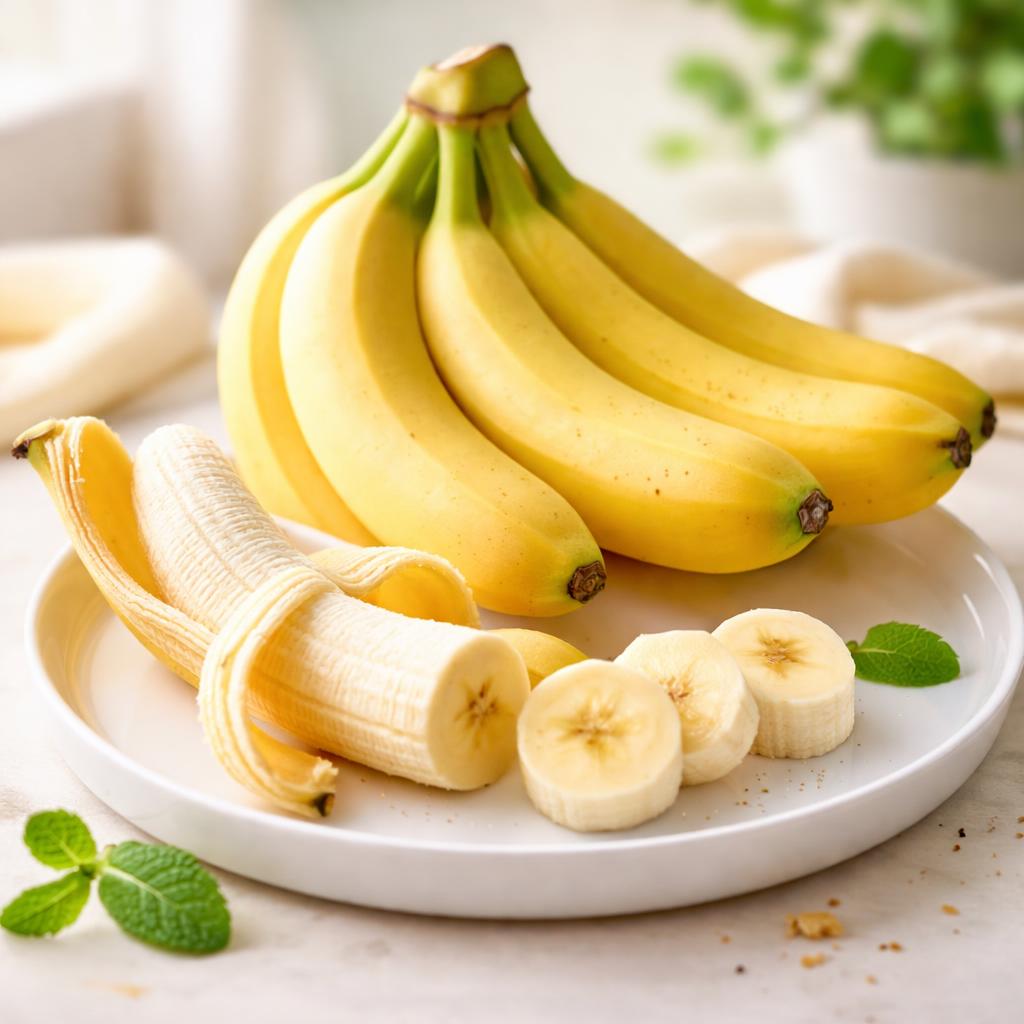
Banana
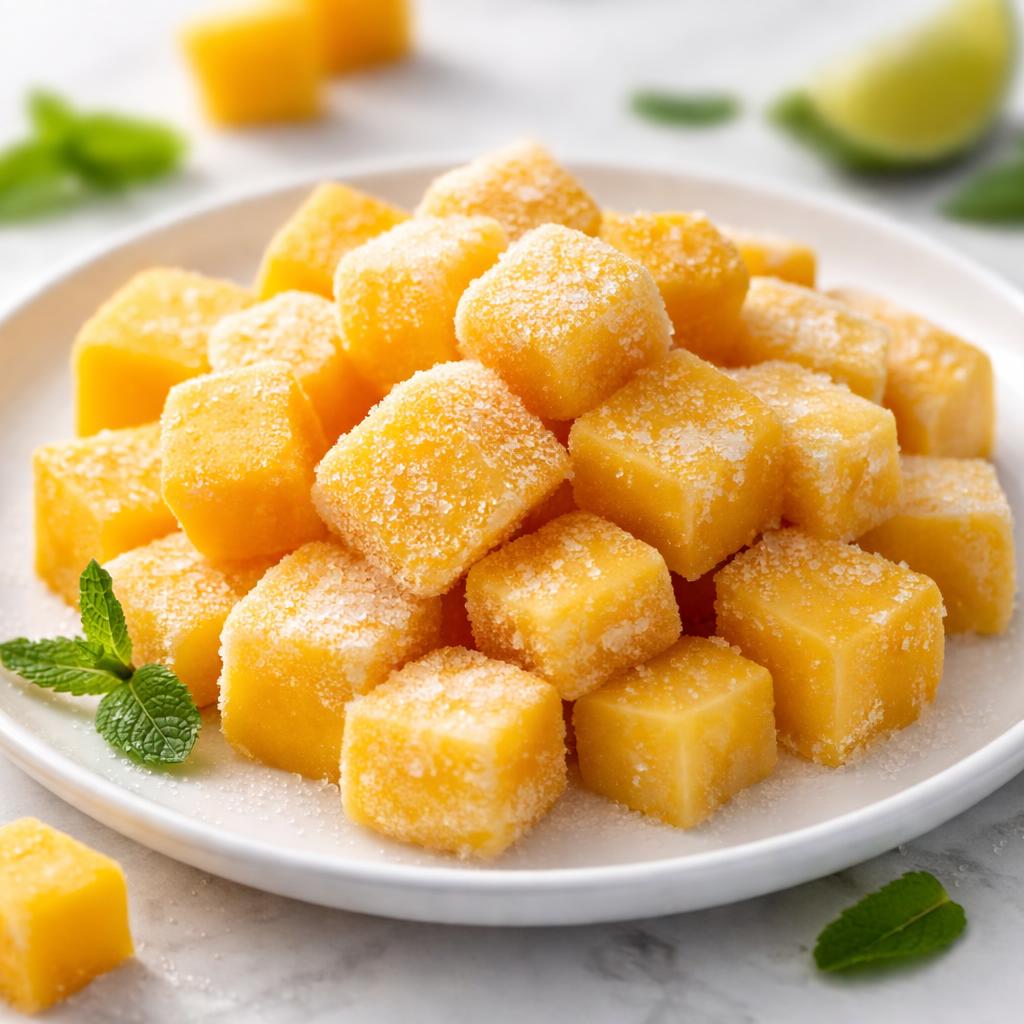
Frozen Mango
🎯 Quick Verdict
Frozen mango edges out banana in overall nutrition for those seeking lower calories and higher fiber. However, bananas are portable and slightly higher in potassium, making them ideal for immediate energy replenishment. Both are excellent sources of vitamins and great for smoothies or snacks.

Smart Nutrition Tracking with SnapCalorie

📊 Nutritional Comparison
Macronutrients
| Nutrient | Food 1 | Food 2 | Winner |
|---|---|---|---|
| Calories | 105 | 90 | ✓ |
| Protein | 1.3g | 1g | − |
| Carbs | 27g | 24g | ✓ |
| Fat | 0.3g | 0g | ✓ |
| Fiber | 3.1g | 2g | ✓ |
Vitamins & Minerals
| Nutrient | Food 1 | Food 2 | Winner |
|---|---|---|---|
| Vitamin C | 10mg | 36mg | ✓ |
| Potassium | 422mg | 110mg | ✓ |
| Vitamin A | 76IU | 1262IU | ✓ |
🏆 Category Winners
Protein
Banana and frozen mango have similar protein content, both low at approximately 1g per serving.
Fiber
Banana has 3.1g of fiber per serving, which is 55% more than frozen mango's 2g of fiber.
Calories
Frozen mango has fewer calories (90 vs. 105 per serving), making it better for calorie-conscious diets.
Vitamins
Frozen mango is richer in vitamin C (36mg vs. 10mg) and vitamin A (1262IU vs. 76IU), ideal for immune support and vision health.
🥗 Diet Compatibility
Keto
Food 1: Not Compatible
Food 2: Not Compatible
Both foods are high in carbs and not suitable for keto diets.
Vegan
Food 1: Compatible
Food 2: Compatible
Both are plant-based and perfect for vegan diets.
Gluten Free
Food 1: Compatible
Food 2: Compatible
Neither contains gluten or gluten-containing ingredients.
Paleo
Food 1: Compatible
Food 2: Compatible
Both are whole, unprocessed fruits suitable for paleo diets.
Low Carb
Food 1: Not Compatible
Food 2: Not Compatible
Both are moderate to high in carbohydrates, exceeding limits for typical low-carb diets.
💪 Health Benefits Comparison
Food 1 Benefits
- Excellent source of quick energy due to natural sugars
- High potassium for heart and muscle health
- Good fiber content for healthy digestion
Food 2 Benefits
- Rich in vitamin C to boost immune health
- Low in calories, making it ideal for weight control
- High in antioxidants for skin and overall cell health
✅ The Bottom Line
Bananas are a better choice for an immediate energy boost and potassium replenishment after workouts, while frozen mango is more nutrient-dense with lower calories and higher vitamins, making it ideal for smoothies or snacks during calorie-conscious plans.
Choose Food 1 for: Workout recovery, portable snacks, energy boost
Choose Food 2 for: Weight control, smoothies, increasing vitamin C intake


