Banana VS English Muffin
A detailed nutritional comparison
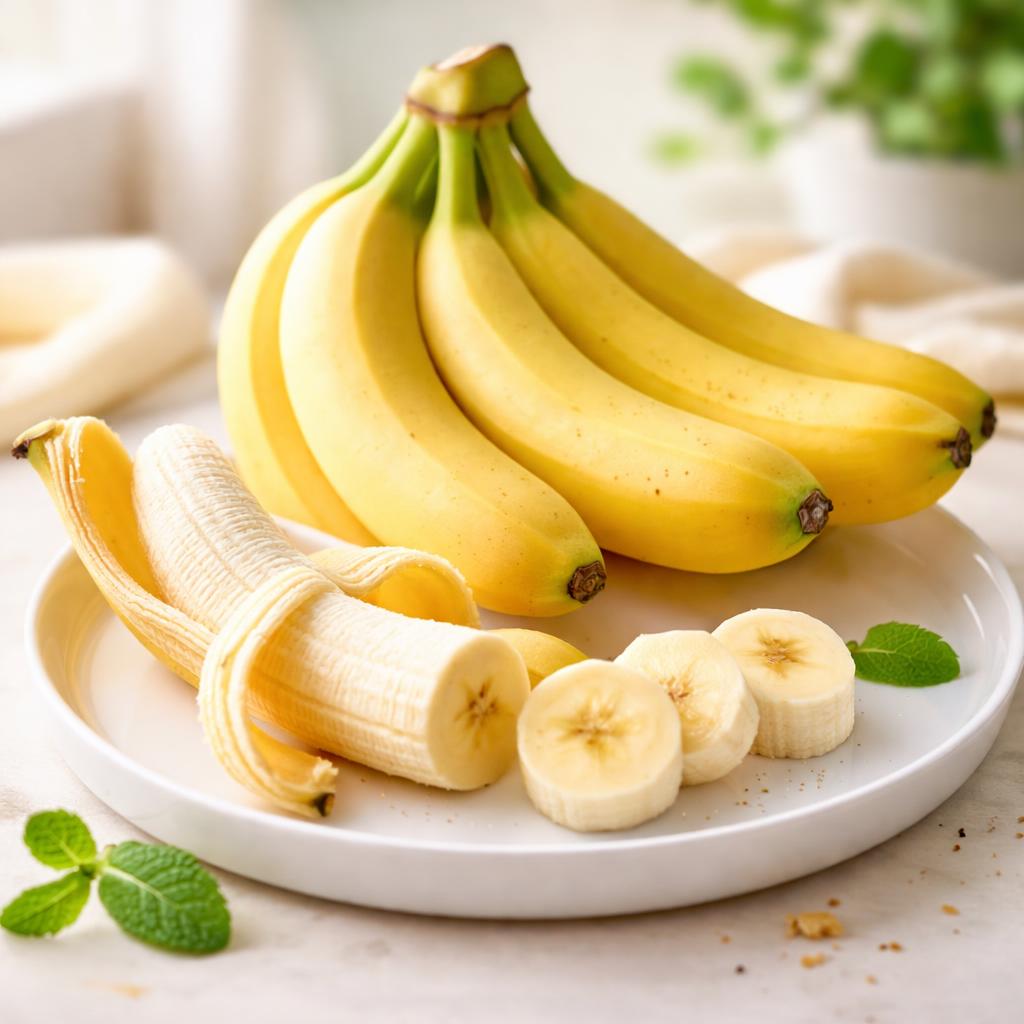
Banana
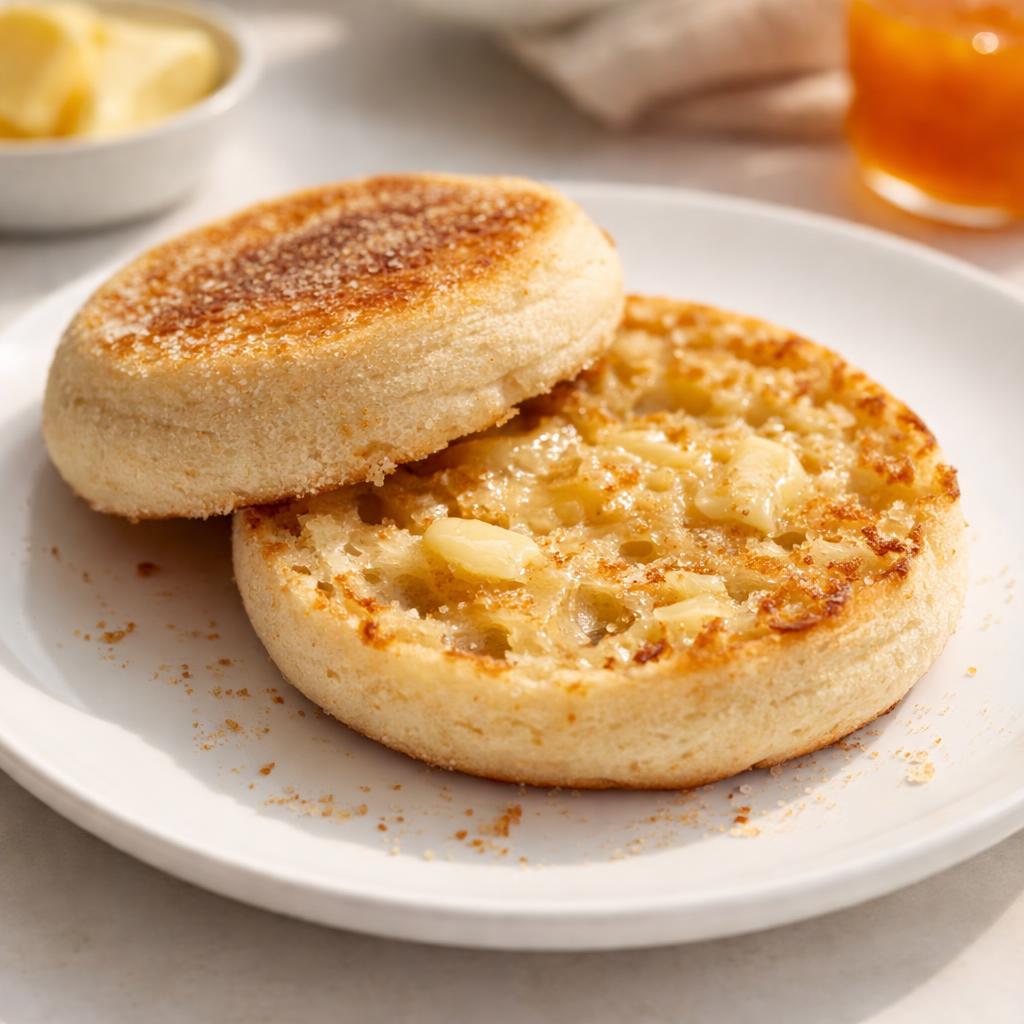
English Muffin
🎯 Quick Verdict
Bananas and English muffins serve different dietary needs. Bananas are lower in calories and rich in fiber, making them ideal for digestion and quick energy. English muffins offer more protein, making them better for muscle repair and sustained satiety. Both can fit into a healthy diet depending on your goals.

Smart Nutrition Tracking with SnapCalorie

📊 Nutritional Comparison
Macronutrients
| Nutrient | Food 1 | Food 2 | Winner |
|---|---|---|---|
| Calories | 105 | 120 | ✓ |
| Protein | 1g | 5g | ✓ |
| Carbs | 27g | 24g | ✓ |
| Fat | 0.3g | 1g | ✓ |
| Fiber | 3g | 2g | ✓ |
Vitamins & Minerals
| Nutrient | Food 1 | Food 2 | Winner |
|---|---|---|---|
| Vitamin C | 10mg | 0mg | ✓ |
| Potassium | 422mg | 35mg | ✓ |
| Iron | 0.3mg | 1mg | ✓ |
| Calcium | 6mg | 40mg | ✓ |
🏆 Category Winners
Protein
English muffins contain 5x more protein than bananas.
Fiber
Bananas have 50% more fiber per serving.
Calories
Bananas have fewer calories and are ideal for calorie-conscious diets.
🥗 Diet Compatibility
Keto
Food 1: Not Compatible
Food 2: Not Compatible
Both are high-carb foods.
Vegan
Food 1: Compatible
Food 2: Compatible
Both are plant-based and suitable for vegans.
Gluten Free
Food 1: Compatible
Food 2: Not Compatible
Bananas are naturally gluten-free, but English muffins may contain gluten unless labeled gluten-free.
Paleo
Food 1: Compatible
Food 2: Not Compatible
Bananas are paleo-friendly, while processed bread like English muffins is excluded from paleo diets.
Low-Carb
Food 1: Not Compatible
Food 2: Not Compatible
Neither food fits into a low-carb diet, both exceeding typical limits for carb intake.
💪 Health Benefits Comparison
Food 1 Benefits
- High in potassium, which supports heart and muscle function
- Rich in fiber, aiding digestion and gut health
- Natural source of Vitamin C for immune system support
- Provides easily digestible carbs for quick energy
Food 2 Benefits
- Higher protein content for muscle repair and satiety
- Contains iron, supporting red blood cell production
- Good source of calcium for stronger bones
- Versatile base for nutrient-dense meals with toppings
✅ The Bottom Line
Choose bananas for quick energy, fiber, and potassium, especially if you need a light, portable snack. Opt for English muffins when you need a higher-protein option or a bread substitute for a fulfilling meal. Both can complement healthy eating in different ways.
Choose Food 1 for: Quick energy, digestive health, light snacks
Choose Food 2 for: Higher protein meals, balanced breakfasts, topping-based meals


