Banana VS Dulce De Leche
A detailed nutritional comparison
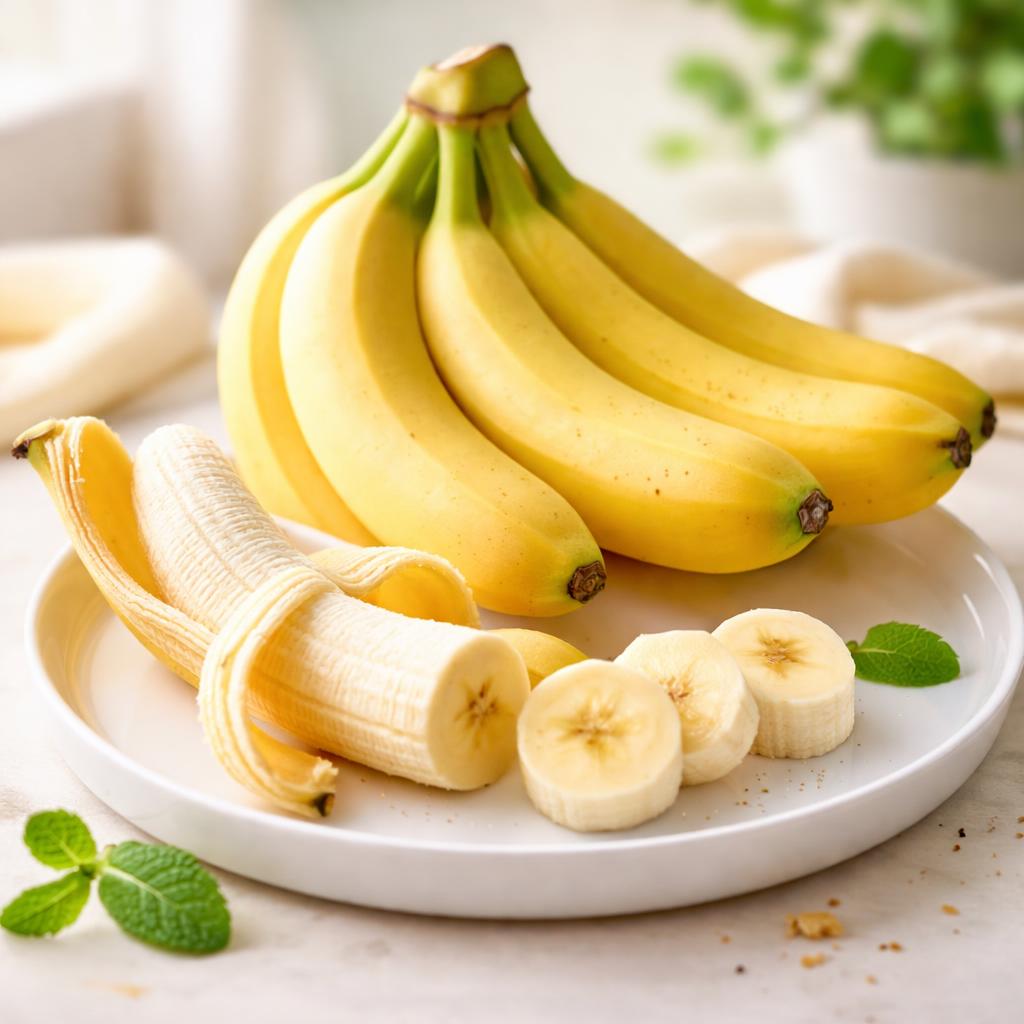
Banana
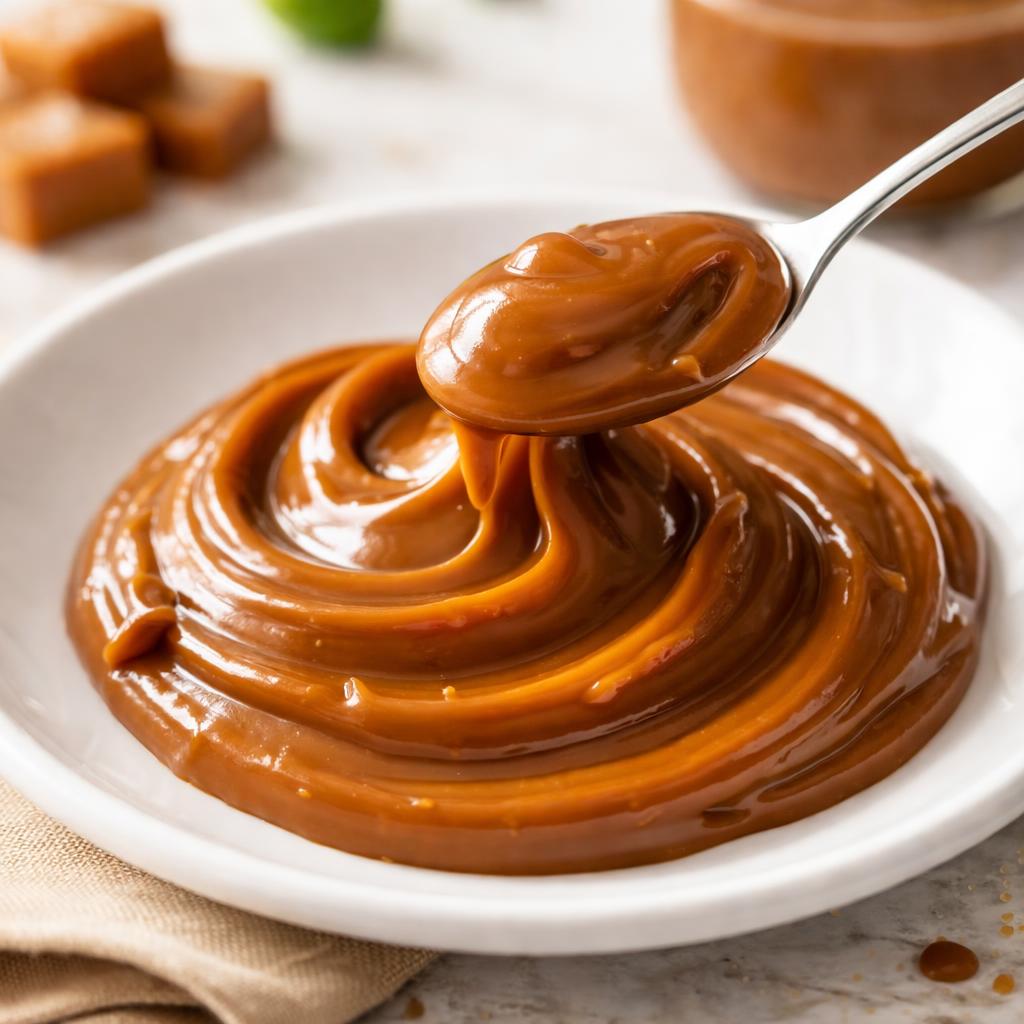
Dulce De Leche
🎯 Quick Verdict
Bananas are a nutrient-rich fruit with fewer calories, more fiber, and slightly more protein compared to dulce de leche, which is a high-calorie, sugar-filled dessert topping. Bananas are ideal for healthy snacking or energy boosts, while dulce de leche is better suited as an indulgent treat in moderation.

Smart Nutrition Tracking with SnapCalorie

📊 Nutritional Comparison
Macronutrients
| Nutrient | Food 1 | Food 2 | Winner |
|---|---|---|---|
| Calories | 105 (medium banana) | 327 (2 tbsp) | ✓ |
| Protein | 1.3g (medium banana) | 1g (2 tbsp) | ✓ |
| Carbs | 27g (medium banana) | 55g (2 tbsp) | ✓ |
| Fat | 0.3g (medium banana) | 8.5g (2 tbsp) | ✓ |
| Fiber | 3.1g (medium banana) | 0g (2 tbsp) | ✓ |
Vitamins & Minerals
| Nutrient | Food 1 | Food 2 | Winner |
|---|---|---|---|
| Vitamin C | 10mg | 0mg | ✓ |
| Potassium | 422mg | 60mg | ✓ |
| Calcium | 6mg | 60mg | ✓ |
🏆 Category Winners
Protein
Bananas have slightly more protein per serving than dulce de leche.
Fiber
Bananas provide 3.1g of fiber per serving, vital for digestion, while dulce de leche has no fiber.
Calories
A medium banana contains 105 calories, significantly lower than dulce de leche's 327 calories per 2 tbsp.
🥗 Diet Compatibility
Keto
Food 1: Not Compatible
Food 2: Not Compatible
Both are high-carb and exceed typical keto macros.
Vegan
Food 1: Compatible
Food 2: Not Compatible
Bananas are plant-based; dulce de leche contains dairy.
Gluten Free
Food 1: Compatible
Food 2: Compatible
Neither contains gluten.
Paleo
Food 1: Compatible
Food 2: Not Compatible
Bananas are paleo-approved; dulce de leche is processed with refined sugar.
Low Carb
Food 1: Not Compatible
Food 2: Not Compatible
Both are high-carb and unsuitable for low-carb diets.
💪 Health Benefits Comparison
Food 1 Benefits
- Rich in potassium for heart and muscle health
- Contains fiber for improved digestion
- Provides quick energy from natural sugars
- Good source of vitamin C for immune support
Food 2 Benefits
- Energy-dense, ideal for quick caloric intake
- Contains calcium for bone health
- Rich, sweet flavor for enhancing desserts
- May boost mood as a comfort food in moderation
✅ The Bottom Line
Choose bananas for a nutrient-packed snack or to fuel workouts, as they are lower in calories and provide fiber and potassium. Dulce de leche, being high in calories and sugar, is best consumed sparingly and used as a decadent topping for occasional treats.
Choose Food 1 for: Snack, smoothies, pre- or post-workout
Choose Food 2 for: Dessert topping, indulgent treats, calorie boosting


